New Delhi | Updated: September 24, 2016 02:42 AM IST
3 min read
Whatsapp
twitter
Facebook
Reddit
The Department of Micorbiology is still studying the strain of the chikungunya virus in the capital.
Amid talk of possible mutation in chikungunya virus in Delhi being a reason for the outbreak of the mosquito-borne infection, AIIMS officials Friday said it was more likely that the increase in population density in the last seven years and migration were the factors behind the outbreak.
AIIMS officials, however, said change in the strain of the virus “could be one factor” for the outbreak. The capital had last seen a surge in the number of chikungunya cases in 2006.
“In 2006-07, when chikungunya cases were reported in Delhi, 14 lakh cases were reported in the country. Those 14 lakh people have been protected this time around as chikungunya immunity is usually a life-long immunity. What is more important to understand is that in the last seven years, there have been very few cases of chikungunya. During the same period, there has been an increase in the population density and migration in Delhi. This also would include the newborns. Hence, persons who have not developed immunity in this period, have become susceptible to chikungunya this time, which has resulted in a surge in cases,” said Dr Lalit Dar, Professor, Department of Microbiology, AIIMS.
He added that since there is only serotype in case of chikungunya virus — unlike in dengue virus, where five strains have been found — even if there is change in the genotype, the serotype would continue to remain the same. Serotype is associated with viruses and refers to the variation within the subspecies. And in case of chikungunya, there are three genotypes which determine the genetic constitution of the virus.
The Department of Micorbiology is still studying the strain of the chikungunya virus in the capital.
In cases where patients have tested positive for both dengue and chikungunya, Dr Dar said, “This year, dengue is circulating at a low level. The contribution in a co-infection to severe morbidity and death will be majorly due to dengue, and not chikungunya. When a patient has both diseases, the focus has to be on maintaining the fluid intake and keeping a check on complications.”
Kaunain Sheriff M is an award-winning investigative journalist and the National Health Editor at The Indian Express. He is the author of Johnson & Johnson Files: The Indian Secrets of a Global Giant, an investigation into one of the world’s most powerful pharmaceutical companies.
With over a decade of experience, Kaunain brings deep expertise in three areas of investigative journalism: law, health, and data. He currently leads The Indian Express newsroom’s in-depth coverage of health.
His work has earned some of the most prestigious honours in journalism, including the Ramnath Goenka Award for Excellence in Journalism, the Society of Publishers in Asia (SOPA) Award, and the Mumbai Press Club’s Red Ink Award.
Kaunain has also collaborated on major global investigations. He was part of the Implant Files project with the International Consortium of Investigative Journalists (ICIJ), which exposed malpractices in the medical device industry across the world. He also contributed to an international investigation that uncovered how a Chinese big-data firm was monitoring thousands of prominent Indian individuals and institutions in real time.
Over the years, he has reported on several high-profile criminal trials, including the Hashimpura massacre, the 2G spectrum scam, and the coal block allocation case. Within The Indian Express, he has been honoured three times with the Indian Express Excellence Award for his investigations—on the anti-Sikh riots, the Vyapam exam scam, and the abuse of the National Security Act in Uttar Pradesh. ... Read More


 3 min read


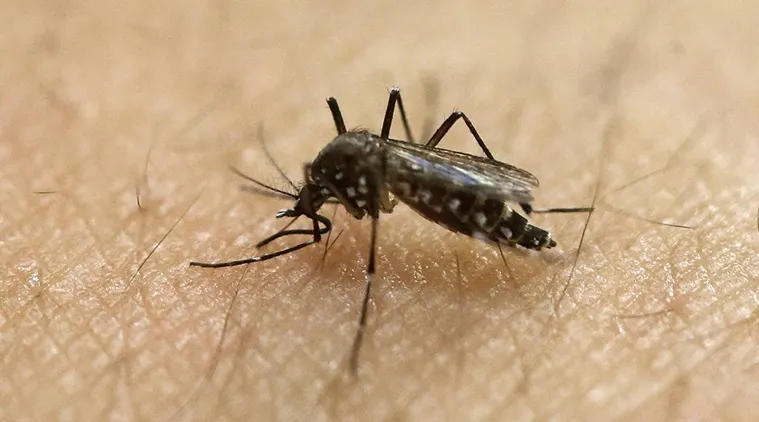 The Department of Micorbiology is still studying the strain of the chikungunya virus in the capital.