This is an archive article published on April 2, 2018
‘The onus of protecting the building is with govt’
The (royal) family gave this property to the people of Baroda state. So, it logically fell under the category of “state properties”.
Written by Aditi Raja
Vadodara | Updated: April 2, 2018 04:56 AM IST
3 min read
Whatsapp
twitter
Facebook
Reddit
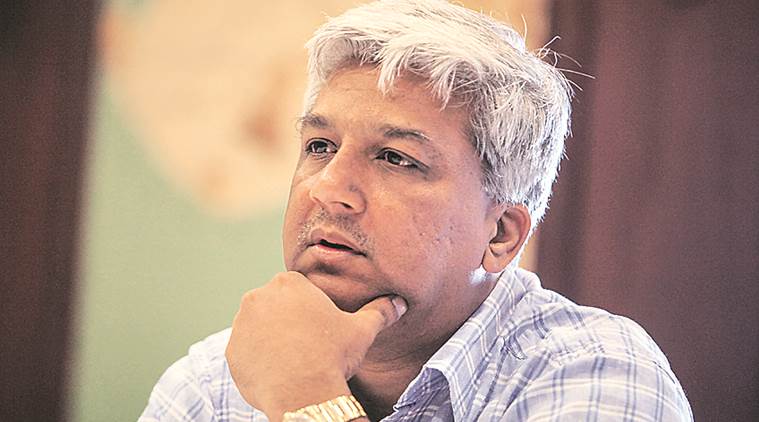
Samarjitsinh Gaekwad
Samarjitsinh Gaekwad of the royal family speaks to Aditi Raja over the future of the 121-year-old building
Now that the court has been moved out of the iconic Nyaymandir building, where does the royal family stand as far as the ownership of the property is concerned?
The (royal) family gave this property to the people of Baroda state. So, it logically fell under the category of “state properties”. It was not a residential place or a private office of the family. Therefore, the building naturally went to the state when India got Independence. This property is for the public and should remain with the public. For so many years, it was a court. As far as the legal ownership is concerned, we never owned the building or collected taxes from it. So there is no reason to go back on that. The sentiment is that these are public places, meant for a social purpose. As for the (royal) family, our coming into the picture does not arise. The government is the de-facto owner of the iconic building.
In what way do you think the building can be put to its best use?
The building is in a good shape and has a long history attached to it. The government needs to bring in the stakeholders, which are essentially the people of Vadodara. They must decide how best this building could be used. You cannot put up a government office just because it is there. The building can be refurbished with the CSR (Corporate Social Responsibility) funds. Vadodara has a huge art fraternity. You can have a modern contemporary art museum. The hall is lovely, it can be used for holding special events. It can be opened up for people, who want to use it. You can also have a library. It is large and has a lot of space. It can also have a couple of cafes that can help to bring in revenue. The best example of a structure like this being reused is in New Delhi. The Rajasthan government has turned the Bikaner House into a modern space. Exhibitions and events are held there. It is generating revenue and also helps bring people for the events.
Have you made any suggestions to the administration?
They had made a suggestion asking us take over the building. They thought since we were running a museum, we might have more things to put up. But, it is not feasible. It is not just about taking over the property, but also running and maintaining it.
Story continues below this ad
Is there any concern in the royal family that if the property is vacated and left unoccupied, it will be damaged?
The onus of protecting the property will lie with the government. The government will have to ensure that they devise a roadmap for the building so that the building does not decay… but it needs private partnership to use this kind of a space to its potential and maintain it. It must be refurbished and utilised in a way that the history is there for people to see and follow.
Aditi Raja is an Assistant Editor with The Indian Express, stationed in Vadodara, Gujarat. Her extensive and varied beat coverage across Central Gujarat and the Narmada districts establishes her as a highly Authoritative and Trustworthy source on regional politics, administration, and critical socio-economic and environmental issues.
Experience
Senior Role: As an Assistant Editor at a national publication like The Indian Express, Aditi Raja holds a senior position that signifies editorial oversight and commitment to factual, in-depth reporting.
Core Authority & Specialization: Her reporting is characterized by a comprehensive grasp of the complex factors shaping Central Gujarat, including:
Politics and Administration: Provides sharp scrutiny of state governance, political figures (e.g., coverage of political events and speeches by leaders like JP Nadda), and bureaucratic decisions, including issues like officer protests against political pressure.
Crucial Regional Projects: Demonstrates high Expertise in the socio-economic and political dimensions of major regional initiatives, specifically the Statue of Unity and the Sardar Sarovar Project on the Narmada River, including related development, environmental, and resettlement issues.
Social Justice and Human Rights: Offers deep coverage of sensitive human-interest topics, including gender, crime, and tribal issues. Her reports cover legal proceedings (e.g., the Bilkis Bano case remission, POCSO court orders), the plight of tribal communities, and broader social conflicts (e.g., Kheda flogging case).
Local Impact & Disaster Reporting: Excels in documenting the immediate impact of events on communities, such as the political and civic fallout of the Vadodara floods, the subsequent public anger, and the long-delayed river redevelopment projects.
Special Interest Beat: She tracks the activities and concerns of Non-Resident Gujaratis (NRIs), connecting the local Gujarati experience to the global diaspora. ... Read More


 3 min read


 Samarjitsinh Gaekwad