Journalism of Courage
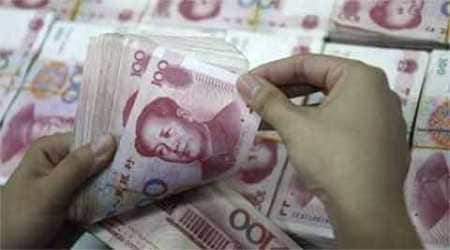
Shares fell across the board on the mainland, but relatively expensive small caps underperformed blue-chip sectors such as banking.

In the short-term, dealers expect the Aussie to pause between $0.7250 and $0.7550, before heading south to $0.7065.

The Nikkei rose 0.4 per cent to 16,167.63 points by midmorning, bucking regional weakness.

The central bank's attempts to deter speculation on the Chinese currency in the last few months have depressed a range of yuan assets offshore, including yuan-denominated "dim sum" bonds.

The Australian dollar slid 1.5 percent against the yen to 80.36 yen.

The US Treasury listing was seen as making it harder for Japan to intervene in the currency market to stem the yen's gains.

A separate PMI issued Sunday by a Chinese industry group, the Federation of Logistics & Purchasing, also showed manufacturing was weak in April though it found activity expanded slightly.

The Taiwan dollar firmed T$0.07 to T$32.211 per US dollar.

China is followed by Turkey, Singapore, Thailand and India among the top-five countries from where most fake goods originate, as per a new study by the OECD.

The world oil market has been hammered over the past two years by weak demand, overproduction, a slowing global economy -- particularly China -- and a supply glut.

Japan's Nikkei stock index shed about 0.8 percent as the Yen pulled off its lows.

Hong Kong shares also fell on the back of Wall Street loss

China's proportion of global exports rose to 13.8 per cent last year from 12.3 per cent in 2014, data from the United Nations Conference on Trade and Employment shows, the highest share any country has enjoyed since the US in 1968.

Japan's sixth-biggest automaker said that it had manipulated test data to overstate the fuel economy of 625,000 cars, a situation the government called "extremely serious".

Factories for major manufacturers including Toyota, Sony and Honda were closed, causing supply chain disruptions around the country.

A warning by the Organisation of the Petroleum Exporting Countries that the world remains oversupplied also dampened sentiment as key producer nations prepared to gather in Doha for Sunday's talks on freezing output.

Oil prices plunged to 12-year lows in the previous session after China allowed its yuan currency to slip
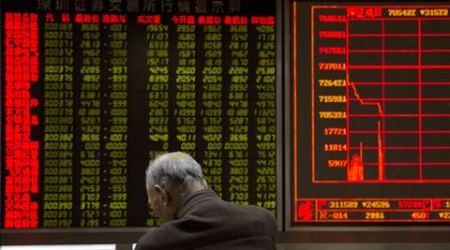
Chinese markets have lurched up and down as regulators gradually withdraw emergency measures imposed after the main stock index plunged in June following an explosive rise.

Dynamic balanced funds have worked wonderfully well in all market conditions.

A day after the US Fed raised rates, the Indian equities and currency markets responded well, allaying investor fears of a huge fund outflow.

The Fed's move to lift its key rate by a quarter-point to a range of 0.25 percent to 0.5 percent ends an extraordinary seven-year period of near-zero rates.

A timeline of the decline of China's main stock market index from its June 12 peak and government efforts to shore up prices.
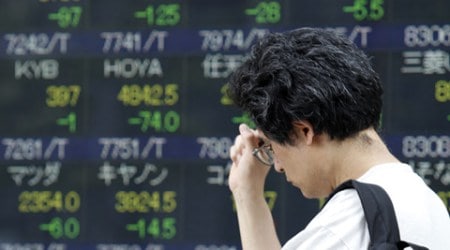
Stocks from London to Paris to New York all bled, as global shares went into a tailspin yesterday, with European and US stocks tumbling as concerns over Chinese economy rattled investors worldwide.
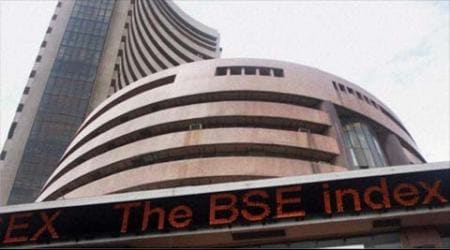
The benchmark Sensex fell to a low of 27,131 on Friday before recovering to trade at 27,200 in the afternoon.

The yuan's value declined 1.9 percent on Tuesday, its biggest one-day drop in a decade, and dropped a further 1.6 percent on Wednesday.