Journalism of Courage
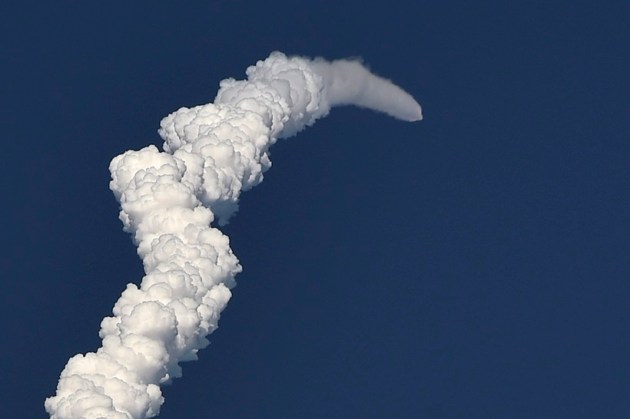
Indian Space Research Organisation (ISRO)'s communication satellite GSAT-9 on-board GSLV-F09 lifts off from Satish Dhawan Space Center in Sriharikota on Friday. (Image source: PTI)
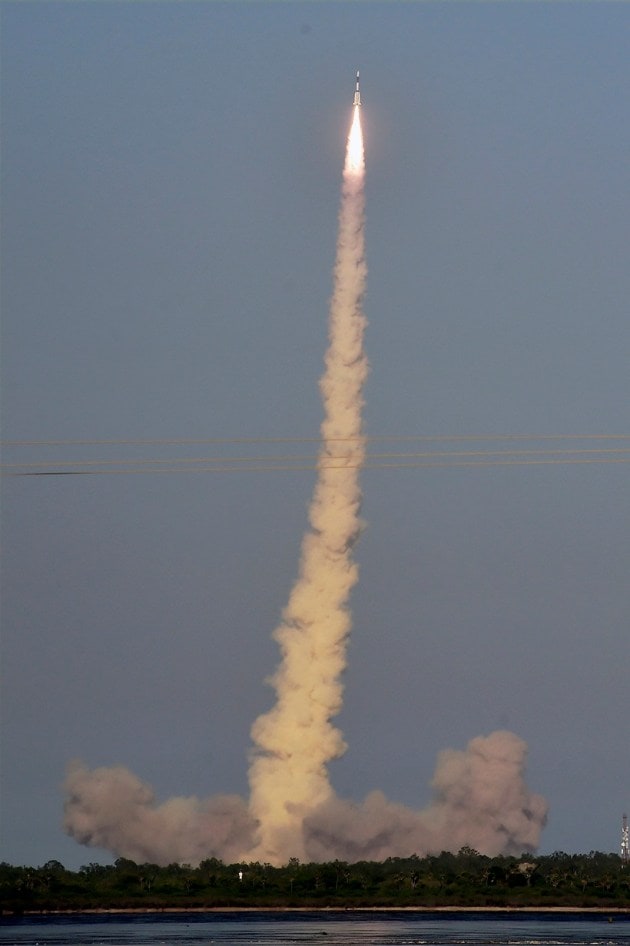
Prime Minister Narendra Modi has termed the satellite as India's space gift for South Asia(Image source: PTI)
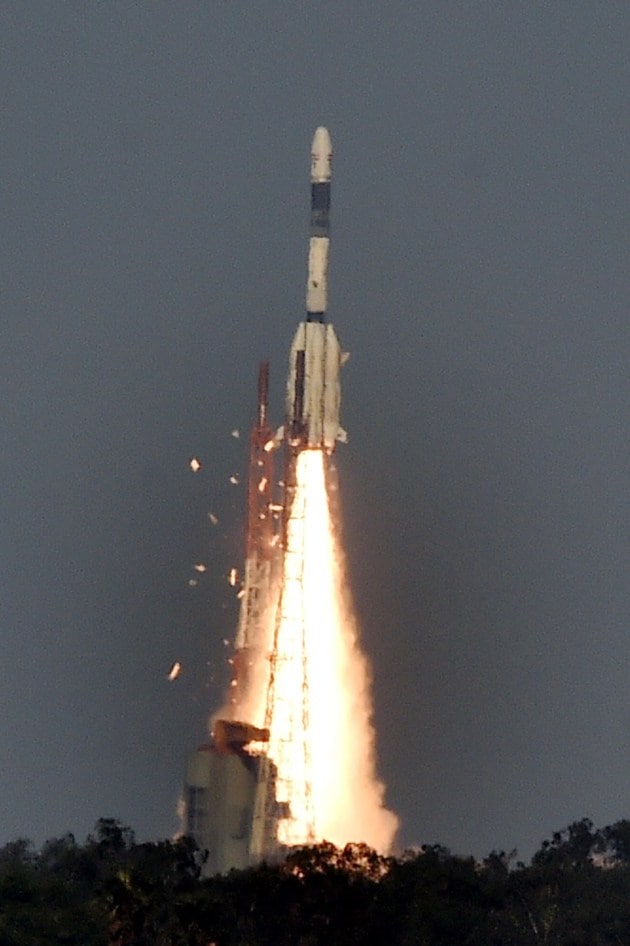
The GSLV-F09 blasted off at 4:57 pm in clear weather and injected the GSAT-9 into the orbit in a flawless flight. (Image source: PTI)
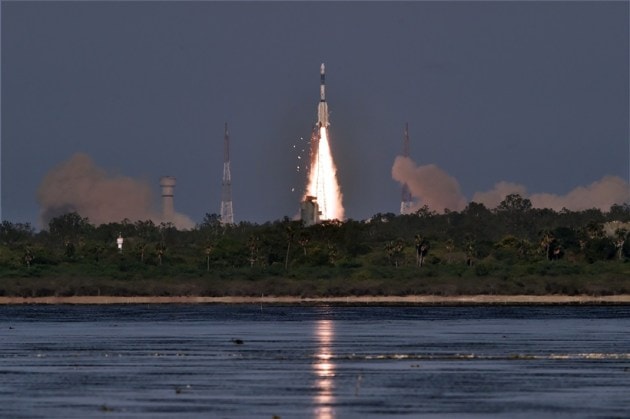
"Successful launch of South Asian Satellite is a historic moment. It opens up new horizons of engagement. This will also greatly benefit South Asia & our region’s progress," tweeted Prime Minister Narendra Modi announcing the success of the launch.(Image source: PTI)
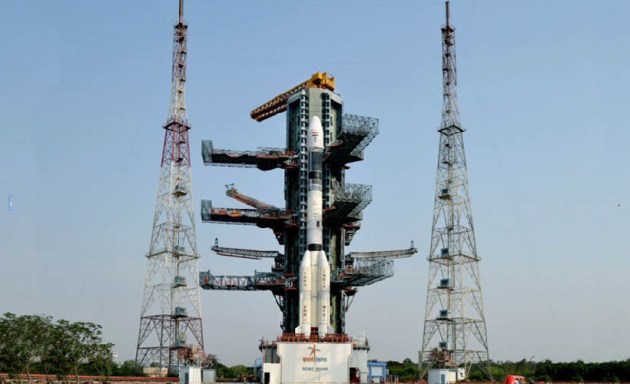
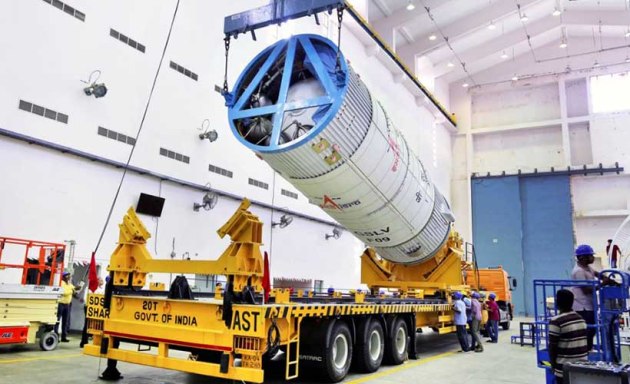
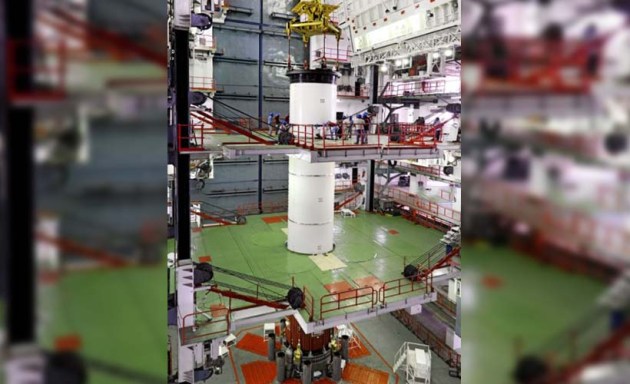
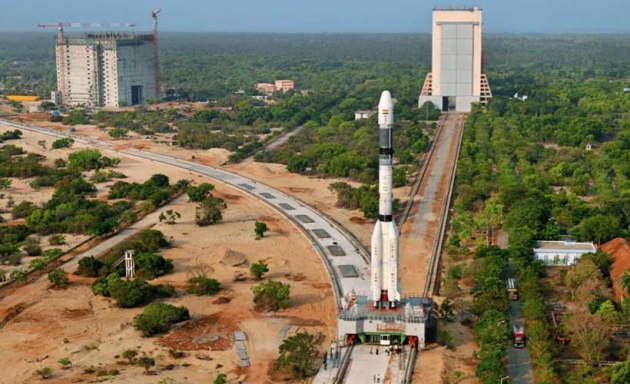
India today launched the Geosynchronous Satellite Launch Vehicle (GSLV-F09) carrying GSAT-9 from the Second Launch Pad (SLP) at Satish Dhawan Space Centre, Sriharikota.(Image source: ISRO)
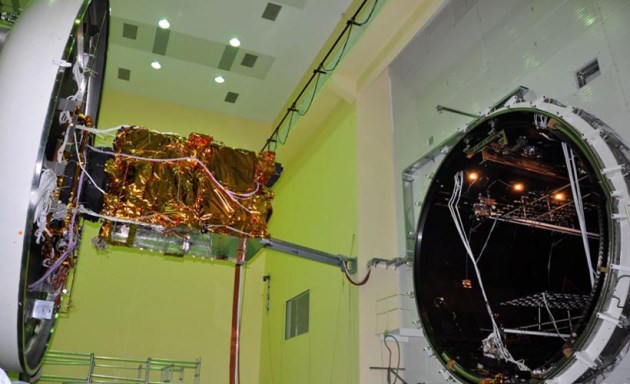
The South Asia Satellite (GSAT-9) was launched on Friday at 4:57 pm from Sriharikota to strengthen cooperation in disaster communication and tele-communication among six South Asian countries. (Image source: ISRO)
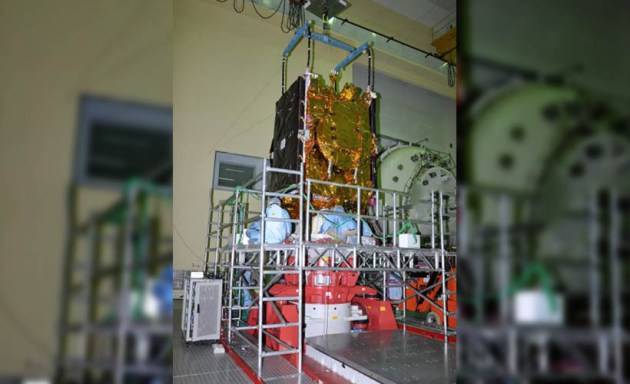
With the launch, India will meet the promise it made at the 2014 SAARC Summit when Prime Minister Narendra Modi forayed into space diplomacy to strengthen the “neighbour first policy”.(Image source: ISRO)
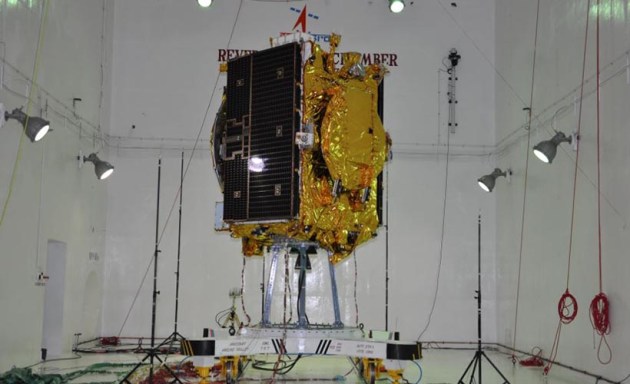
The 28-hour countdown for the launch began on Thursday at 12:57 pm, after which ISRO Chairman AS Kiran Kumar told, “We have the launch tomorrow at 4.57 pm in the evening… All activities are going on smoothly.”(Image source: ISRO)
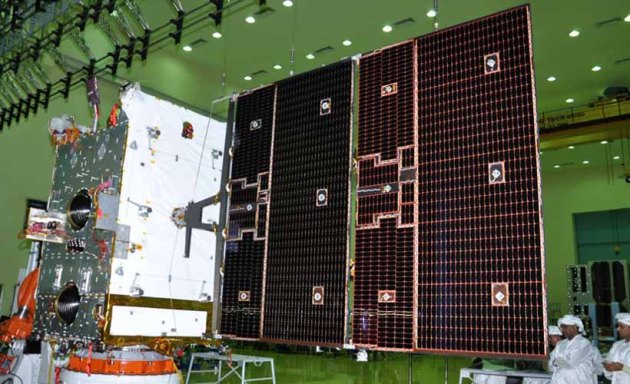
PM Modi had termed the Rs 235-cr satellite as a “priceless gift” to the neighbouring five countries, namely Bangladesh, Sri Lanka, Nepal, Bhutan and Maldives. (Image source: ISRO)
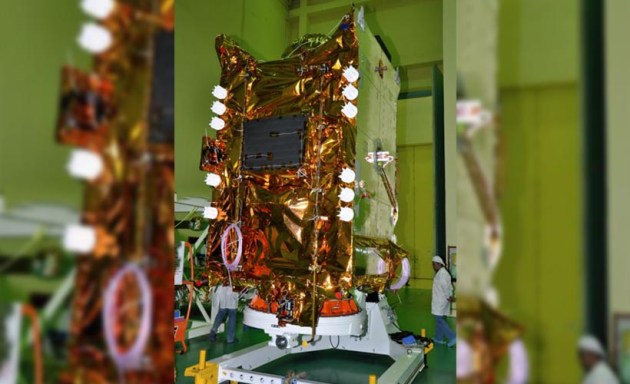
Pakistan and Afghanistan, the members of SAARC, opted out of the programme, pushing the satellite to be renamed from “SAARC Satellite” to “South Asia Satellite”.(Image source: ISRO)
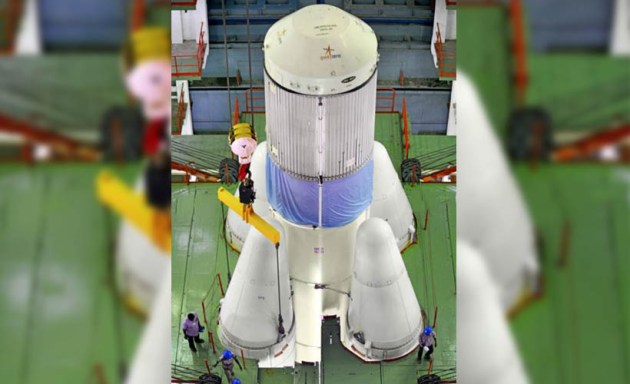
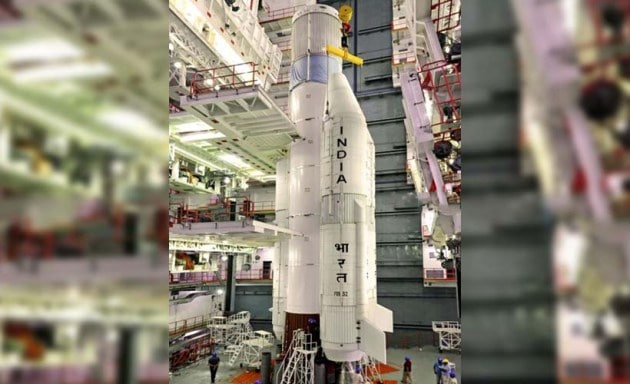
Working on the Ku-band (a range of frequencies), it will provide the countries with capability in the field of tele-education, tele-medicine, broadcasting, Direct-to-Home services (DTH) and VSAT capacity with other linking services.(Image source: ISRO)
All the countries will have at least a transponder through which they can telecast their own programming. (Image source: ISRO)
The countries will build their own ground-level infrastructure. All the other costs for the launch of the satellite has been borne by India.(Image source: ISRO)
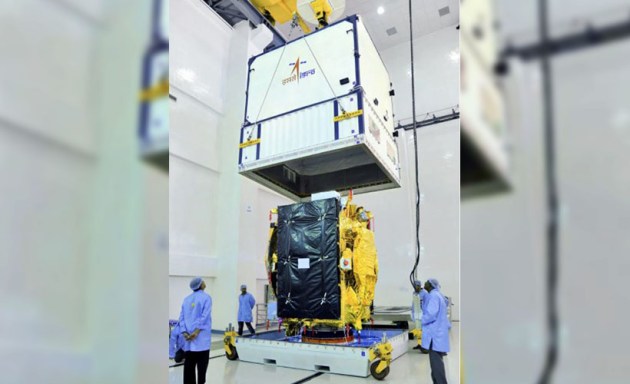
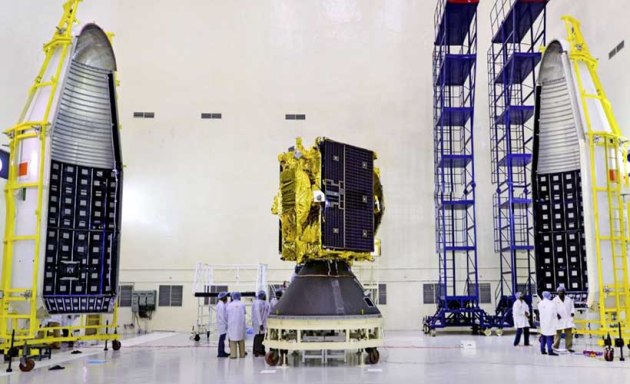
The South Asia Satellite with a lift off mass of 2230 kg, has a mission life of more than 12 years. (Image source: ISRO)
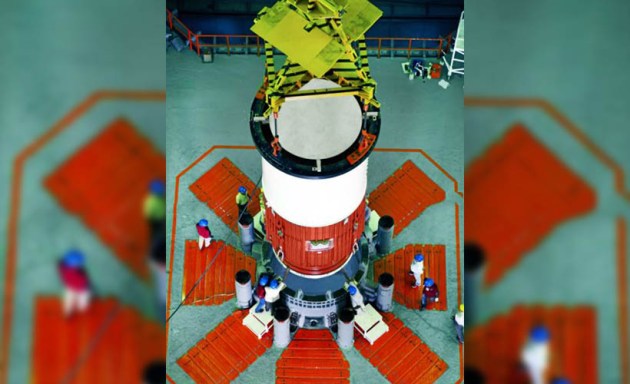
The launch was earlier scheduled for December, 2016 but was delayed and rescheduled for May 05, 2017. (Image source: ISRO)
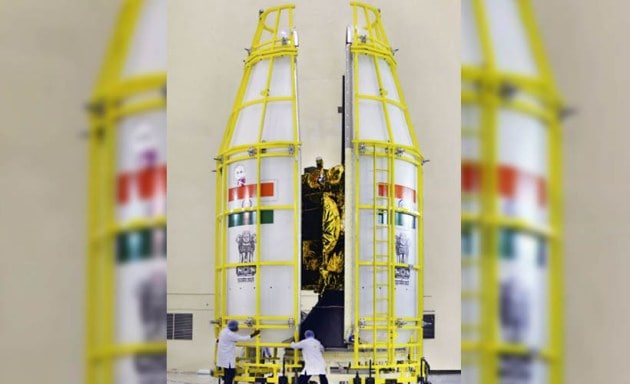
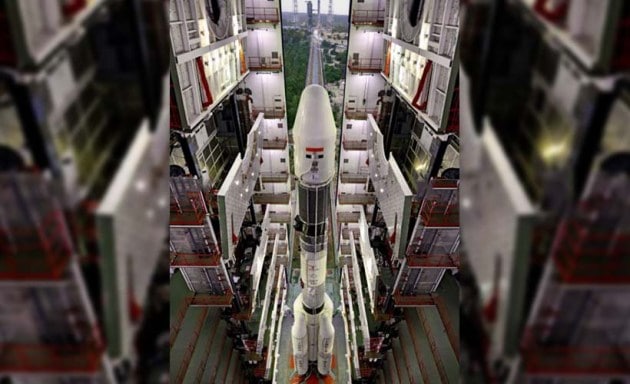
This is the eleventh flight of GSLV and the fourth consecutive launch of GSLV-F09 using the indigenous cryogenic engine to power the upper stage.(Image source: ISRO)
Nepal, which doesn’t have a telecommunication satellite of its own had suffered due to the lack of communication services during the 2015 earthquake. (Image source: ISRO)
Bangladesh, too, would be entering the space with its mission in partnership with the French multi-national company Thales called Bangabandhu. Sri Lanka already has has a full-fledged communication satellite in function with the help of China.(Image source: ISRO)
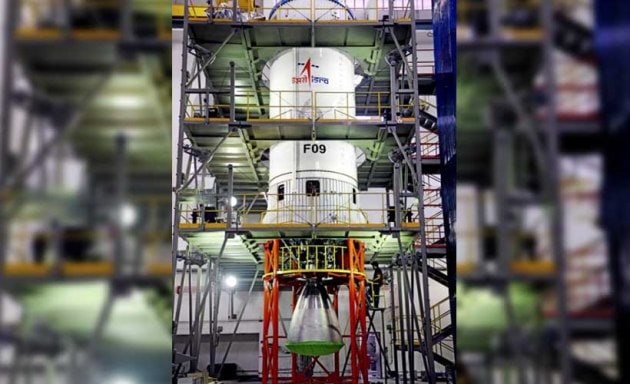
The satellite is equipped with 12 KU transponders that will aid in improving communication between countries. (Image source: ISRO)
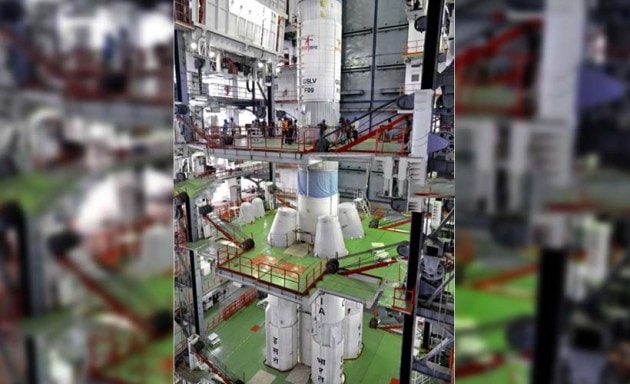
The six participating countries in the space programme will be given access to at least two transponders.(Image source: ISRO)
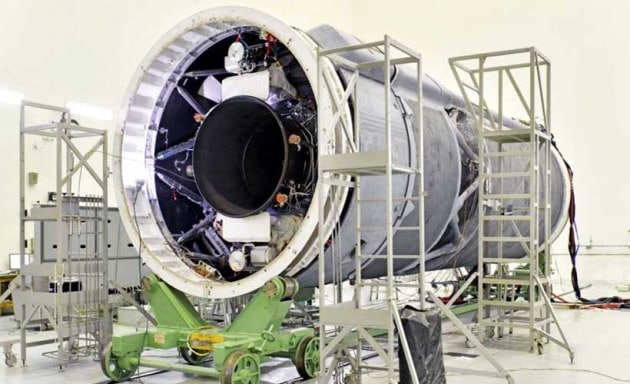
The GSAT-9 weighs 2230 kgs and was built in three years. It will have a mission life of more than 12 years.(Image source: ISRO)
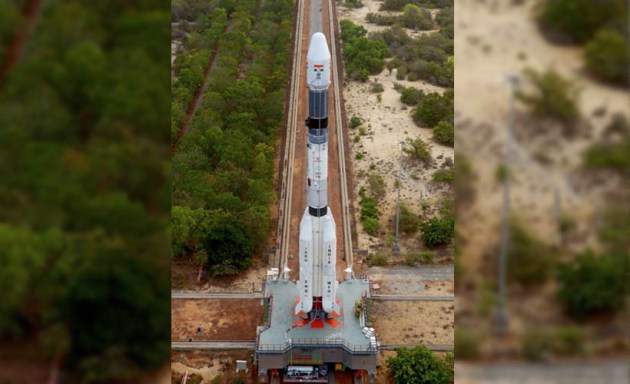
The Rs 235-crore satellite, funded entirely by India, will improve disaster and telecommunication links between six south Asian countries. (Image source: ISRO)
As envisaged by Prime Minister Modi, it is a satellite sans frontiers, for the nations to grow together.(Image source: ISRO)