3 min read
© The Indian Express Pvt Ltd



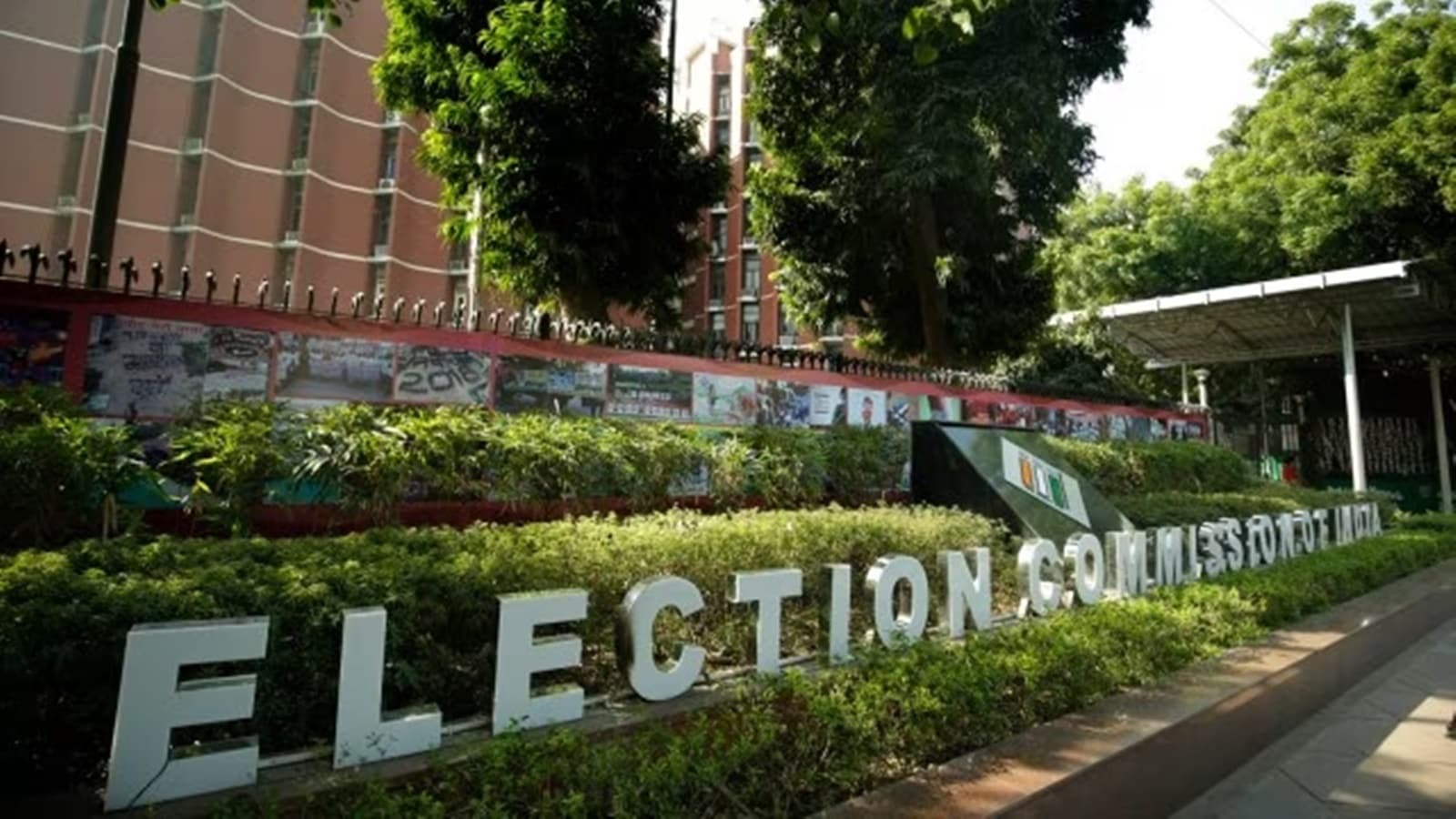 This isn’t the first time that the EC has expressed concern over the level of the discourse during campaigns. In May last year, the poll panel had issued a similar advisory to parties to exercise restraint in their public utterances. (Express photo by Praveen Khanna)
With the Lok Sabha elections expected to be announced soon, the Election Commission of India on Friday issued an advisory to political parties to maintain decorum during campaigning and that star campaigners and candidates would be responsible in case of Model Code of Conduct violations, even if indirect.
This isn’t the first time that the EC has expressed concern over the level of the discourse during campaigns. In May last year, the poll panel had issued a similar advisory to parties to exercise restraint in their public utterances.
In the latest advisory, the EC reminded parties of the MCC provisions against making appeals to caste or communal feelings, personal attacks on rivals and unsubstantiated claims.
“Taking note of the various trends and cases of plummeting levels of political campaign discourse in recently held elections, the Election Commission of India has issued further advisory to all political parties to maintain decorum and utmost restraint in public campaigning and raise the level of election campaigning to ‘issue’ based debate,” the EC said in a statement on Friday.
Ahead of General Elections 2024, Election Commission of India warns political parties to maintain decorum in public campaigning; conveys stern action against direct or indirect MCC violations
ECI puts additional responsibility on star campaigners and candidates under MCC –… pic.twitter.com/yvegTuN4Kn
— PIB India (@PIB_India) March 1, 2024
It added that star campaigners and candidates had been put “on notice” in case of violations that follow “previously known methodologies during elections to avoid MCC”. The EC said indirect violations of the MCC would be seen as per the advisory and in the upcoming Lok Sabha and four state Assembly polls, all phases and geographical areas would be taken into account to determine “repeat” offences.
The EC said it had maintained a self-restraint in the previous few rounds of elections, issuing notices in case of MCC violations, presuming that the notice itself would serve as a moral censure.
Indicating a more strict approach in the upcoming polls, the EC said: “Orders issued by the Commission are carefully crafted to ensure minimal disruption to campaigning activities than outright prohibitions. However, the objective to check on the level of discourse, using MCC notices in a judicious way, akin to a moral censure, may not be misunderstood and repeated in the next election cycle.”
The advisory reiterated that places of worship, including temples, mosque, churches and gurdwaras, should not be used for electioneering.
“References which ridicule the relations between devotee and deity or suggestions of divine censure shall not be made,” it added.
The EC also listed out some examples of indirect MCC violations that would not be allowed, including state governments publishing advertisements about their schemes in neighbouring states of poll-going states “at opportune time” and carrying out registration for non-existent schemes to lure voters.
In the past few Assembly election cycles, the EC has issued notices for MCC violations but not imposed any bans on campaigning or other punishments.