3 min read

Journalism of Courage



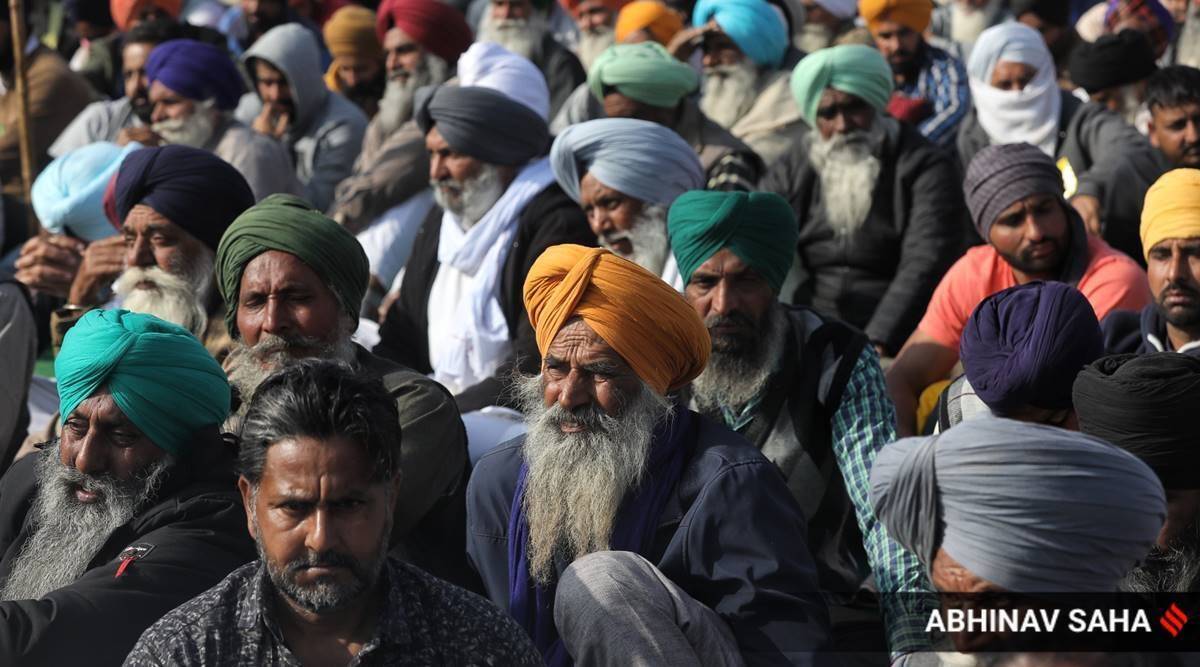 According to 2011 census, the total population of Doaba was 52.08 lakh in 2011 census out of which 19.48 lakh were Dalits that included 11.88 lakh Ravidassias, 4.56 lakh Valimkis and remaining 3.04 lakh of other Dalit communities. (Express File)
Amid an all-pervasive talk of badlav (change), the low voter turnout has taken many in Punjab by surprise. The state’s hub of Dalit politics, Doaba, too saw a 5.94% decline in poll percentage compared to 2017 Assembly polls when the region had recorded 74.55% turnout.
Doaba has clocked voting percentage of 68.61% in the current Assembly polls, as per the latest figures from the Election Commission.
The 8 reserved constituencies of Doaba region, which has the highest Dalit population in the country in terms of percentage, saw cumulative voting percentage of 68.22% against 74.31% in 2017 elections. The overall dip in poll percentage on the reserved seats this time has been 6.09%.
The voting percentage of 8 reserved seats of the region was 67.53% in Adampur (74.03% in 2017), 67.39% in Phillaur (75.75% in 2017), 67.49% in Kartarpur (74.01% in 2017), followed by 67.31% in Jalandhar West (72.70% in 2017), 69.43 in Sham Chaurasi (74.78% in 2017). Chabbewal recorded 71.19% polling compared to 74.20% in 2017, while Phagwara was at 66.13% (72.68% in 2017)and Banga at 69.39% (76.85% in 2017).
Interestingly, reserved constituencies’ turnout was even lower than the overall turnout of Doaba.
In the region, which has four districts Jalandhar, Nawanshahr, Hoshiarpur and Kapurthala, the highest poll percentage was recorded at Nawanshahr district with 70.75% and the lowest in the Jalandhar district with 66.97%. While district Hoshiarpur recorded 68.66%, Kapurthala district witnessed 68.07% polling.
In 2017, Nawnashahr had recorded the highest polling among Doaba districts at 77.40% followed by Kapurthala (74.69%), Jalandhar (73.60%) and Hoshiarpur (72.53%).
A comparison of the two Assembly polls reveals that the dip district-wise in poll percentage this time has been 6.65% in Jalandhar and again 6.65% in Kapurthala, followed by Nawanshahr (6.62%) and Hoshiarpur (3.87%).
In Jalandhar, which has nine Assembly segments, the Jalandhar Central constituency witnessed lowest percentage with 60.65% polling, while highest polling took place in Shahkot constituency at 72.77%.
In 2017 too, Jalandhar Central had recorded lowest polling at 66.42% and then highest polling in the district was recorded in Shahkot at 78.60%.
In Hoshiarpur, which has seven Assembly seats, Chabbewal constituency recorded highest polling with 71.19% turnout and Hoshiarpur Assembly constituency witnessed lowest with 65.92% polling.
In 2017, Sham Charuasi constituency had recorded the highest polling here at 74.78% and Hoshiarpur was the lowest at 69.50%.
Among Kapurthala’s four Assembly seats — Kapurthala, Sultanpur Lodhi, Bholath and Phagwara, the highest polling took place at Sultanpur Lodhi constituecy (72.55%) and the lowest in Phagwara (66.13%) polling took place.
In 2017, the lowest in the district was again Phagwara (72.68) and the highest poll percentage was reported from at 77.06% from Sultanpur Lodhi.
In Nawanshahr district, which has three seats, Balachaur (73.77%) recorded highest poll percentage. Nawanshahr Assembly segment recorded 69.37% polling which is lowest among the three seats in the district.
In 2017, Balachaur had recorded highest (79.46%) and Nawanshahr (76.11%) lowest poll percentage.
Political experts said that if it was a vote for change or Channi (Charanjit Singh Channi) factor, then the reserved seats would have most likely seen a higher voting percentage.