4 min read
Stay updated with the latest - Click here to follow us on Instagram
© IE Online Media Services Pvt Ltd



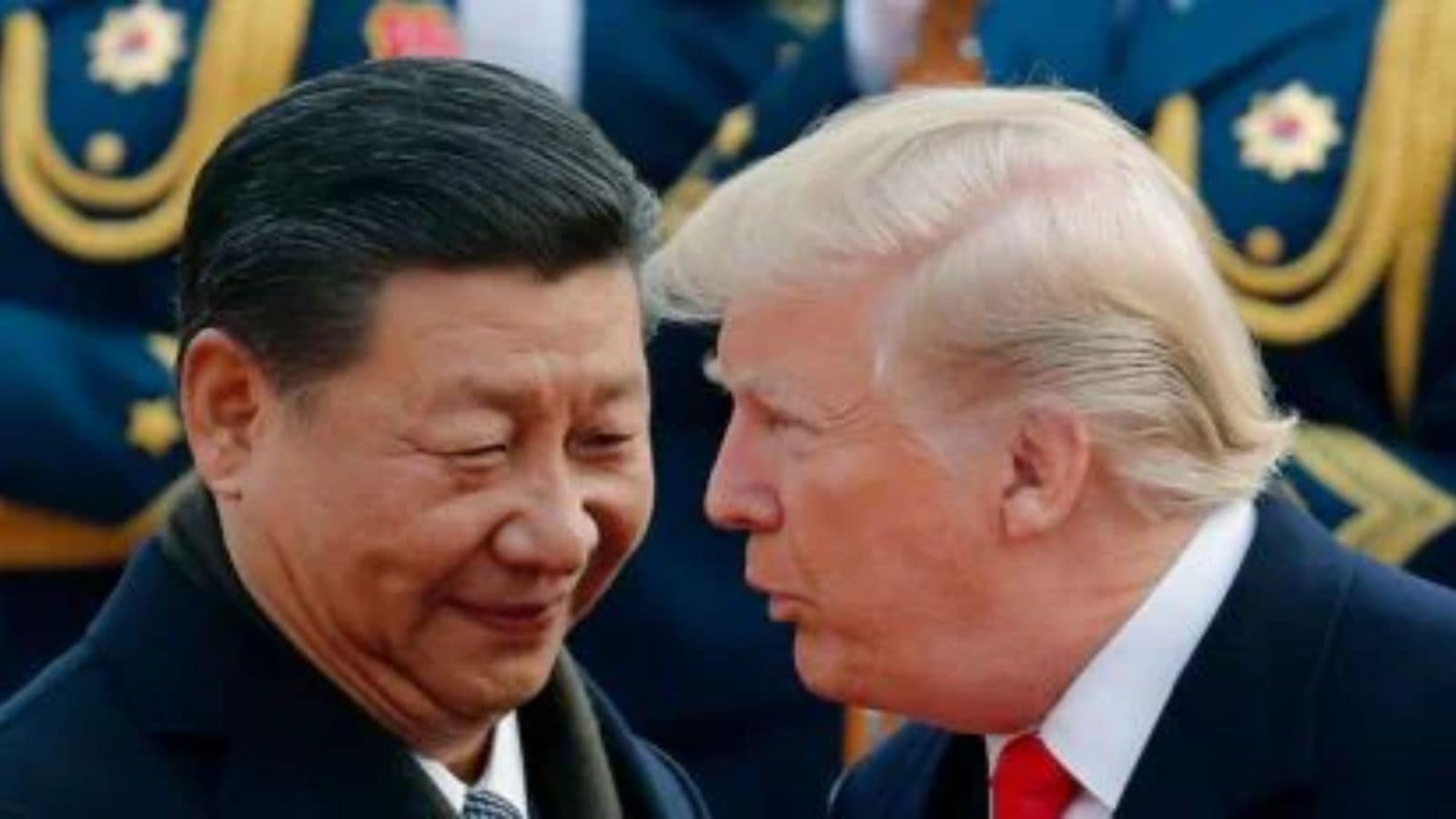 Caught between two competing nationalisms, Taiwan’s 23 million people face shrinking room to manoeuvre. Taipei aspires to determine its own future, but Trump’s equivocation is only narrowing its options (File Photo)
China and the United States are expected to extend their temporary pause on tariffs by another 90 days during trade talks in Stockholm starting Monday, sources told the South China Morning Post (SCMP).
The current tariff truce, agreed in May, is due to expire on August 12. It temporarily removed many of the heavy duties both sides had imposed on each other’s goods. The talks in Sweden mark the third round of negotiations after earlier meetings in Geneva and London.
Officials on both sides said the new round is unlikely to result in major progress on unresolved issues, but both countries are expected to agree not to add new tariffs during the extended period.
One source said that “both sides are aiming to maintain calm and avoid escalation” while continuing to discuss long-term concerns, including US complaints about China’s industrial overcapacity and subsidies for exports.
The talks are being led by US Treasury Secretary Scott Bessent and Chinese Vice Premier He Lifeng. US President Donald Trump, has pushed for tougher trade rules on China and imposed a 20% tariff in March over the fentanyl crisis, accusing Beijing of not doing enough to stop the flow of the drug into the United States.
SCMP reported that the Chinese side considers the fentanyl-related tariffs “unfair” but might be open to a 10% base tariff if the additional duties are removed.
The average US tariff on Chinese goods now stands at 51.1%, according to the Peterson Institute for International Economics. China argues this is too high, especially since it already accepted a 25% hike during Trump’s first term.
In an editorial published on Sunday, China’s state-run People’s Daily said Beijing “is willing to work with the US to make progress” and called for “equal dialogue and mutual respect”. The article, written under the pen name “Zhong Sheng” often used for official views said China is aware that talks will take time and must be based on cooperation, not unilateral pressure.
While expectations for a breakthrough are low, some analysts see the Stockholm meeting as a step toward a bigger deal. Philippe Le Corre, from French business school ESSEC, told SCMP the talks might help prepare for a possible meeting between Trump and Chinese President Xi Jinping at the Asia-Pacific Economic Cooperation (APEC) summit in South Korea later this year.
“It will allow people to figure out the details of the agreement,” Le Corre said. “Then the next meeting could be between the two presidents.”
Frederic Cho, vice-chair of the Sweden-China Trade Council, said the likely outcome is a 90-day extension. “That’s been the pattern so far,” he said. “During that time, more technical questions can be discussed.”
Commerce Secretary Howard Lutnick also said last week that issues such as the future of TikTok, which faces a possible US ban, could come up even though it’s not officially part of the trade talks.
The talks in Stockholm are being closely watched, but many experts believe the real decisions will come later in the year. Niklas Swanstrom, from the Stockholm-based Institute for Security and Development Policy, told SCMP: “I don’t expect a breakthrough, but something symbolic needs to come out of this.”
Stay updated with the latest - Click here to follow us on Instagram