Journalism of Courage



 Share
Share


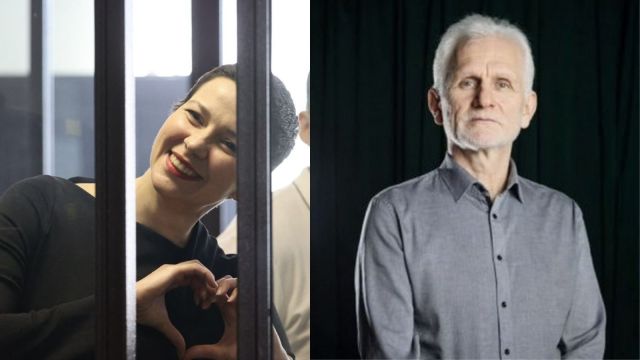 Two prominent political prisoners are released in Belarus: opposition leader Maria Kalesnikava and Nobel Peace Prize recipient Ales Bialiatsky. (Photo: X/
 Belarus has released Nobel Peace Prize laureate Ales Bialiatski and opposition figure Maria Kolesnikova from prison, as part of a deal linked to limited US sanctions relief, according to human rights advocates and state media.
Pavel Sapelka of the Viasna rights group confirmed the releases to the Associated Press (AP). Belarus’ state news agency Belta said President Alexander Lukashenko had pardoned 123 prisoners.
The moves followed a US decision to lift sanctions on Belarusian potash, a key export, the AP reported.
The United States said earlier Saturday it was easing sanctions on Belarusian potash. John Coale, the US special envoy for Belarus, announced the decision after meeting Lukashenko in Minsk over two days.
Speaking to journalists, Coale said the talks were “very productive”, Belta reported. “Normalising relations between Washington and Minsk is our goal,” he said. “We’re lifting sanctions, releasing prisoners. We’re constantly talking to each other.”
Coale added that ties were moving from “baby steps to more confident steps” as contacts increased.
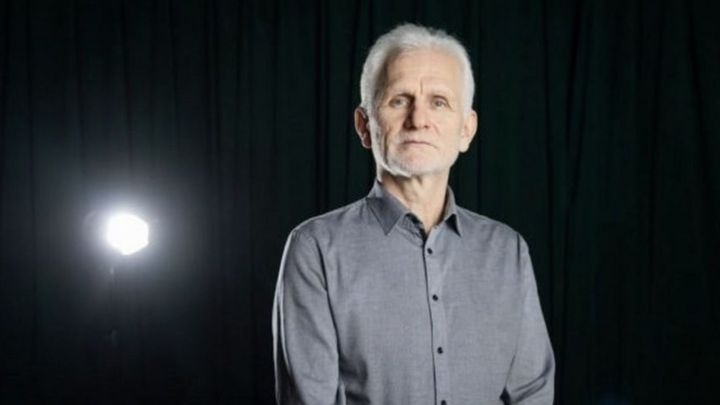
Ales Bialiatski – Nobel Peace Prize laureate and long-time human rights activist. Human rights campaigner Bialiatski fought for decades on behalf of political prisoners in Belarus, earning the Nobel Peace Prize but paying the cost of his own freedom.
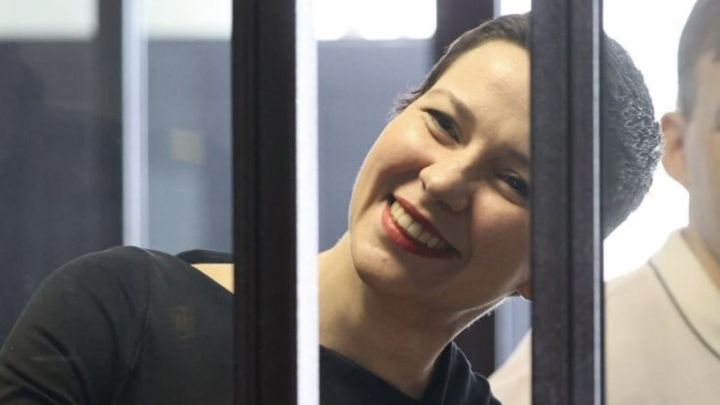
Maria Kolesnikova – Key opposition leader who was jailed after protests following Belarus’ disputed 2020 election.
Belarus has released hundreds of detainees since July 2024. According to the AP, more than 430 political prisoners have been freed during that period.
Belarusian opposition leader Sviatlana Tsikhanouskaya told the AP that sanctions relief was part of an agreement that could lead to more releases.
“The freeing of political prisoners means that Lukashenko understands the pain of Western sanctions and is seeking to ease them,” she said.
However, she warned against wider concessions. “Let’s not be naive,” Tsikhanouskaya said. “The crackdown continues and Belarus keeps supporting Russia’s war against Ukraine.”
She said EU sanctions on potash were more significant for Minsk than US measures, and should be used to press for long-term change and an end to support for the war.
Belta said the discussions also touched on Russia’s invasion of Ukraine and Venezuela. Coale said Lukashenko had offered views on the conflict, noting his long relationship with Russian President Vladimir Putin.
 Share
Share