3 min read
© IE Online Media Services Pvt Ltd



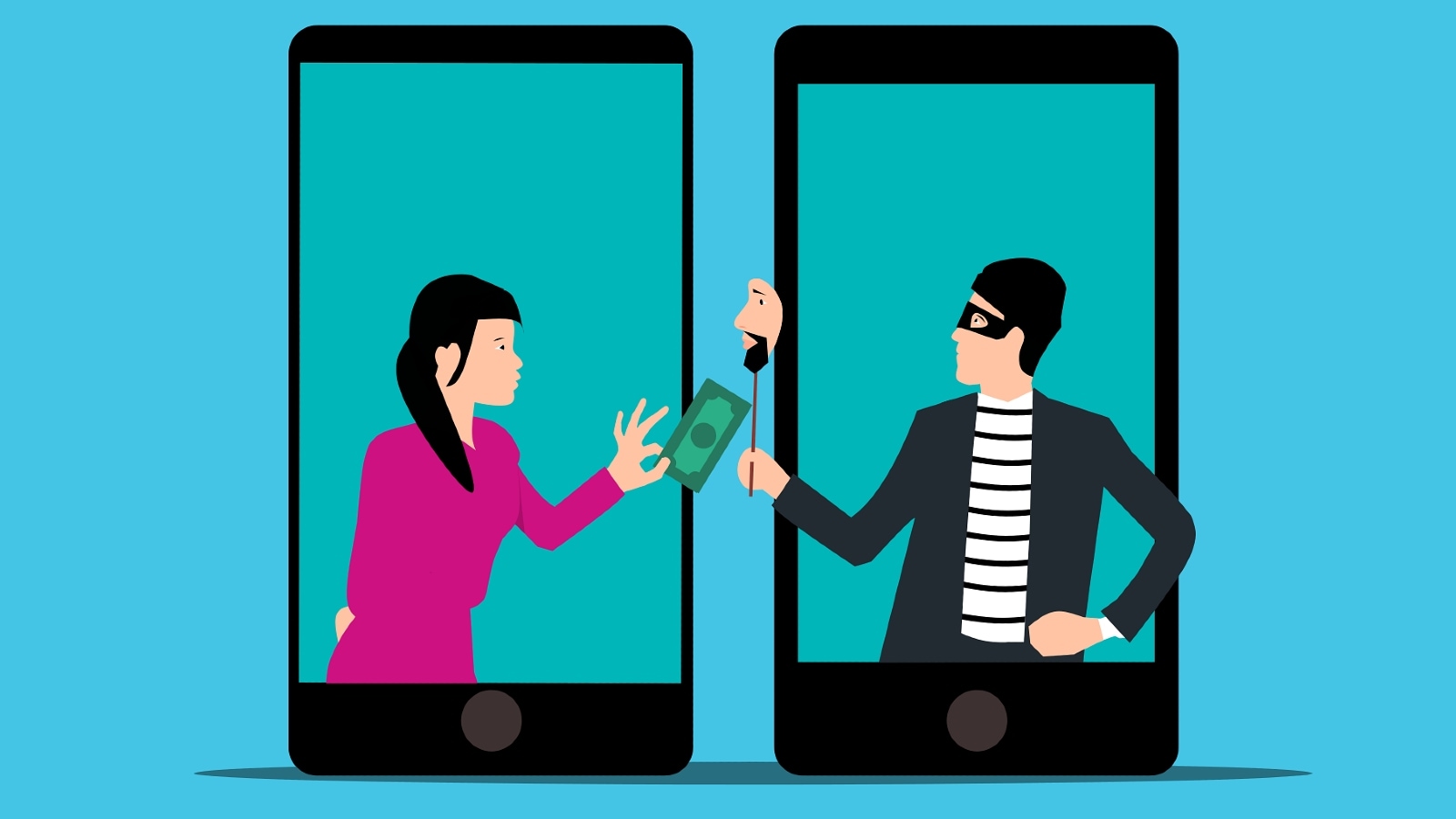 Always be vigilant before sharing any important detail. (Image credit: Pixabay/Mohamed_hassan)
In 2024, scam calls and messages are more rampant than ever. Scammers use clever disguises—posing as hiring managers offering work-from-home jobs that promise Rs 5,000 a day or impersonating delivery agents—to trick you into revealing sensitive information. Their ultimate aim? To steal your money, digital identity, or both.
If you catch a scam attempt, a phone call or a message, your work doesn’t end there. To secure your accounts and prevent future fraud, follow these three steps:
Blocking a scammer’s phone number only stops them from contacting you directly. To help others avoid falling victim, take the additional step of reporting the number. Blocking a scammer’s phone number only stops them from contacting you directly. To help others avoid falling victim, take the additional step of reporting the number.
If caller ID services like Truecaller haven’t already flagged the number as a scam, use their reporting feature to mark it as fraud. This helps tag the number as suspicious when scammers attempt to contact others. SMS and WhatsApp also allow you to report suspicious numbers directly within their apps, prompting platforms to investigate and potentially disable the number.
By reporting the number, you contribute to a safer digital ecosystem for everyone.
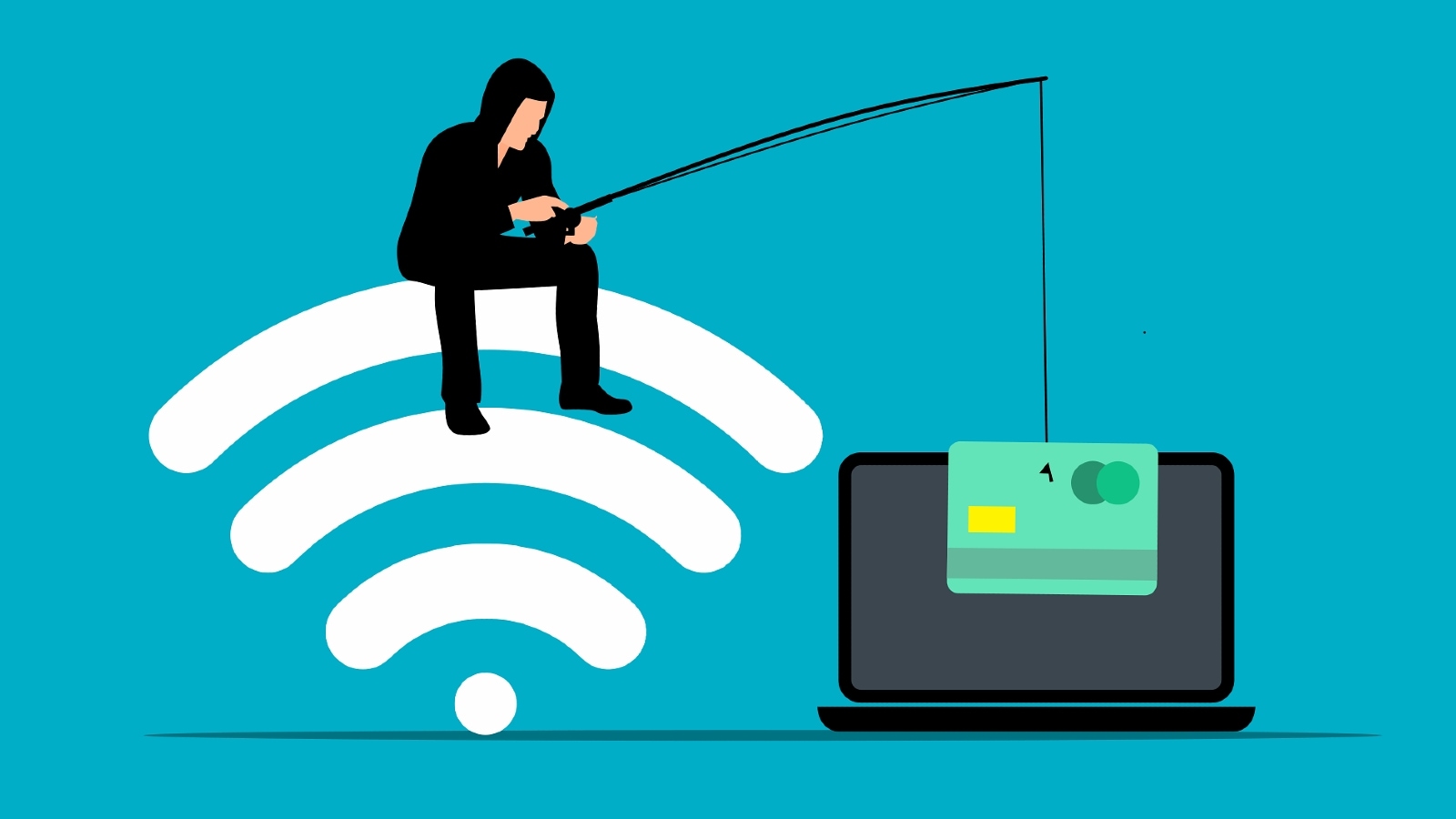 Check your bank accounts for any suspicious activity. (Image credit: Pixabay/Mohamed_hassan)
When you get a scam call or SMS, the best practice is not to engage with it. Remain vigilant and monitor your financial accounts and digital activity for any unusual behaviour. If you find something suspicious, contact your bank or the respective brand immediately.
If you feel someone else might have captured your credit/debit card details, change the passwords of the same immediately, and if there is a suspicious activity from the same, we even recommend cancelling the same and getting new ones. This could cost a few hundred rupees, but it will ensure the details a scammer might have will be of no use.
If a scammer sends an OTP or tries to access one of your accounts, such as Amazon or Facebook, change the password immediately—even if the attempt was unsuccessful. On top of that, you can also log out of all the devices where the specific account is logged in and re-login using the new password if needed.
If you haven’t set up two-factor authentication for that specific account, it is the right time to do so. Depending on the service, either set up OTP-based or use an authentication app; this ensures that even if a scammer gets access to your password, they won’t be able to access the same without the one-time password.
These simple tips will help you stay away from e-frauds.