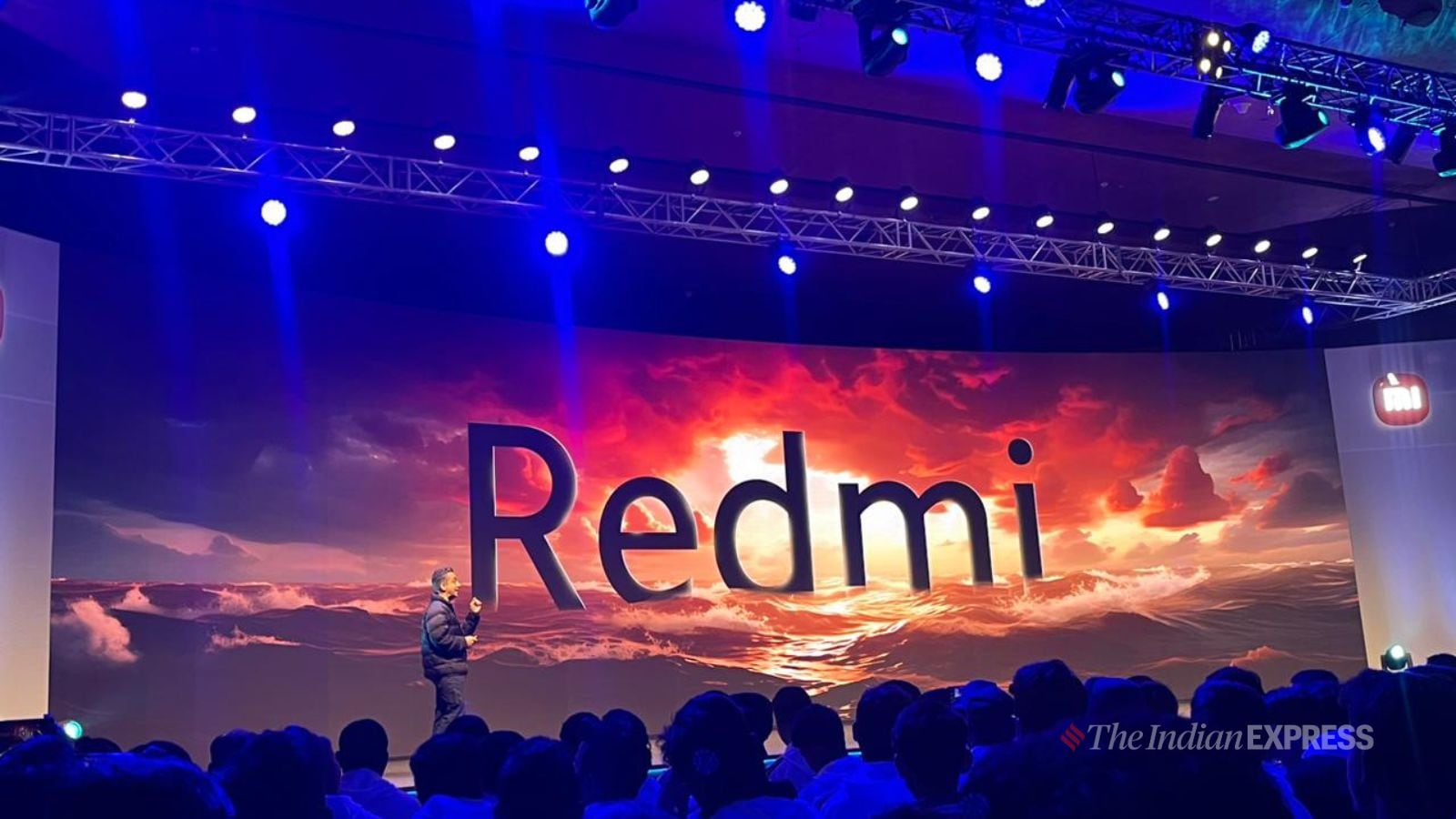
Xiaomi, India’s second-largest smartphone maker by market share, is testing consumers’ loyalty towards the brand and buying power with a premium Pro+ variant of its latest mid-range model, the Redmi Note 13, priced at up to Rs 35,999. At its launch event in New Delhi on Thursday, the company demonstrated its efforts to rekindle its relationship with the committed user base and attract new consumers to a product line that made the brand a household name when the smartphone boom started in India a decade ago.
The Redmi lineup was the first to bring Xiaomi into the limelight with smartphones packed with powerful specifications and features but priced lower than what its competitors were charging for similar devices in 2014. Fast forward to 2024, Xiaomi is now selling high-end SKUs of the newest Redmi Note 13 series in the range of Rs 31,999 and Rs 35,999, hoping to find higher profit margins while being hyper bullish in the mid-range segment, where it has succeeded the most.
 The Redmi Note 13 is the most affordable smartphone in the newly launched smartphone series. (Anuj Bhatia / Express photo)
“I remember until 2018, we used to consider Rs 20,000 to Rs 25,000 plus as a premium category. Now, even at Rs 40,000, it’s like borderline mid-premium,” Anuj Sharma, CMO of Xiaomi India tells indianexpress.com on the sidelines of the debut of the Redmi Note 13 series in India. “The Note still sits in the mid-segment, but because the segment has moved, we also have to move with it.”
The higher-end model of the Redmi Note 13 is an addition to the base as well as an upgraded variant which are priced in the range of Rs 16,999 to Rs 27,999.
Sharma says that while users who previously had a sub-Rs 10,000 smartphone will likely upgrade to the base variant of the Note 13, it is the Note Pro users who are moving up the ladder and would eventually settle for either the Note 13 Pro or the Note 13 Pro+. Sharma expects the same type of consumer behavior with the Note 13 that he had seen at the launch of the Redmi Note 12 series last year. “I had a device which I bought for Rs 15,000 four years ago, and if I am putting my money again, I would like to buy a device that excites me and something I am going to hold for the next three to four years.”
Sharma agrees with what many analysts and trade pundits have been saying for months: the smartphone market has matured, and consumers are holding onto their phones for longer durations. That means brands like Xiaomi need to recalibrate or make drastic changes to their products to sell smartphones in large volumes. India’s smartphone shipments fell 3 per cent in Q3 2023 to 43 million units, a trend that can be seen across major markets.
“There’s been a single-digit decline in the overall shipments of smartphones, and that’s happening because either people are not finding something exciting in their budget or they are holding off and saving a bit more to buy a higher-cost device,” he says, adding that brands might not be shipping as many devices, but the upgrading is definitely happening.
Story continues below this ad
The slow upgrade cycle could also be blamed on the higher prices of smartphones, which have gradually risen over the years. “The cost of components and everything else went up in the early parts of the pandemic. So if you wanted something good, you were actually paying a lot more,” reasoned Sharma. But for a player like Xiaomi, which has thrived on affordable-to-mid-range smartphones that drive large volumes, it can be a challenging issue.
It has become a little tougher… the table stakes for any new tech are much higher,” he says. “In fact, it has become very difficult for someone to get up and say that they want to do something like this, or they want the latest sensor or the latest chip unless the requirement for those orders is huge. Unless you are playing at a global level in a big way, you might not even be able to access that part. Xiaomi still manages to do it, but it’s not as easy as it would have been five or six years ago.”
With the Redmi Note 13 series, Xiaomi is still sticking to what works best for the brand in India. The big, splashy launch that it held in India this week to market the Note 13 series is a testament that Xiaomi is very much committed to the mid-range segment. “Ten years ago, your average selling price (ASP) used to be between Rs 7,000 and Rs 8,000. Today it is higher than Rs 20,000. So, in a way, your mid-segment has moved, and the premium segment has moved even further up,” he adds.
For Xiaomi, the mid-range segment is key to its hold on India’s smartphone market, and the company doesn’t want to take any chances. To avoid the mistakes it had made in the past, Xiaomi now has a leaner portfolio with clear segmentation, making sure it offers the right products across different price segments.
Story continues below this ad
However, the biggest puzzle that Xiaomi still hasn’t been able to solve is how to make a dent in the premium end of the smartphone market. Xiaomi has demonstrated it has products that can compete with the likes of the iPhone and Galaxy S series, but its past efforts seem less aggressive. “We are thinking of building it slowly,” Sharma said, “It’s not going to be that suddenly we have a portfolio as large as the Redmi; it just does not make sense.”
“We have a Xiaomi 13 Pro at Rs 74,999, and we are figuring out what’s going to be the portfolio play in that segment and what we could do. I think this year, you will see a bit more action from us on that side. I think we have got the base formula locked in, so now we can start expanding but slowly.”
In the past few years, there has been a slowdown in innovation in new smartphones, both in hardware and software. Trade pundits and insiders are calling out phone companies for a lack of innovation, hence the fall in smartphone sales.
“We just became used to year-on-year percentage jumps, while the actual jump might still be there, we are sitting with different expectations. I think it’s a good thing that phones have matured to a particular point where the headroom isn’t as high, but it’s great for consumers because you really can’t go wrong with a device right now,” Sharma said. “The industry is still innovating. We are getting really cool stuff in the mid-range segment,” he signed off by counting on the features the Redmi Note 13 series has that were previously only available on flagships.


 7 min read



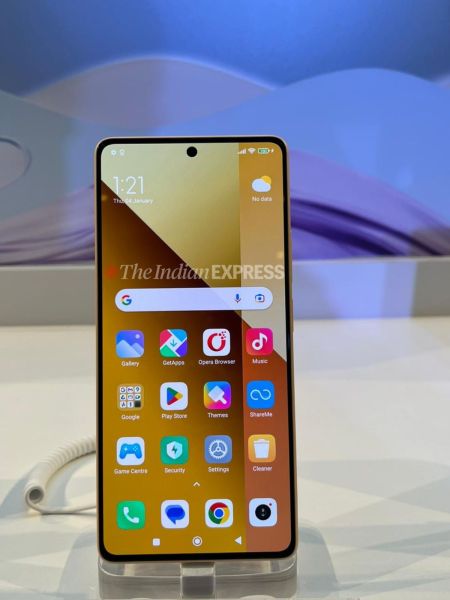 The Redmi Note 13 is the most affordable smartphone in the newly launched smartphone series. (Anuj Bhatia / Express photo)