I attended Nothing’s splashy event in London this week, and here’s how the Glyph Matrix display works and what you can do with it.
The matrix is made of 489 LEDs, and offers more utility than the original Glyph interface. (Image credit: Anuj Bhatia/Indian Express)
Welcome to a more mature Glyph interface
The Glyph interface generated a lot of interest with Nothing’s debut phone, the Phone (1). The different light patterns indicated who was calling, which app was sending a notification, or even the type of notification from the same app, all without needing to look at the screen.
It was a fun way to receive information, though not a perfect implementation. For example, it was sometimes difficult to differentiate between notifications from calls and messages.
“I want to set the record straight on something, because I have seen a lot of discussion online,” said Carl Pei, CEO and co-founder of Nothing, during the Phone (3) launch in London. “
The Glyph is not a gimmick. Eight out of ten of our users have the Glyph interface enabled from day one. We believe that smartphones should work for you, not the other way around, so we built the Glyph interface to create a calmer and more expressive way for you to stay connected, letting you see what’s important without turning on the screen.”
Story continues below this ad
A matrix of tiny dots
To understand Glyph Matrix, you first need to know about a dot-matrix display.
A dot matrix display is an electronic display that uses a grid of small dots to create text, graphics, or images. You may have seen dot matrix displays on buses, metros, in airports, and in other public spaces used to display information, and in electronic devices such as alarm clocks.
Dot matrix displays consist of a matrix of tiny dots that use light-emitting diodes (LEDs), small light sources, to illuminate pixels for graphical output. Each dot is controlled by a corresponding electronic driver circuit, which determines whether the dot is turned on or off. Their primary purpose is to display static or dynamic images, but they can also be used for text or video content.
Dot matrix displays are relatively easy to control and programme, making it easy to make applications. However, they do have some limitations, such as lower resolution and limited colour capabilities. They are also less visually appealing than the standard LCD or organic light-emitting diodes (OLED) screens.
Story continues below this ad
‘Fun also deserves a place in tech’
The significant change in the Phone (3) is the Glyph Matrix, essentially a tiny display on the back of the phone, located near the top-right corner. The matrix consists of 489 LEDs. Press the Glyph button, which sits under the glass back, and the micro-LED screen can display app- or person-specific notifications, or allow users to interact with digital “toys.” These could be everyday tools, from a stopwatch and battery indicator to mini-games like rock-paper-scissors and spin the bottle.
“Now you might be thinking, ‘When am I going to use these toys?’” Pei said. “And yeah, you know, some of them are just for fun, because we believe that fun also deserves a place in tech too.”
So basically, instead of having lights on the back flash in patterns to indicate when certain contacts are calling — as was the case with the Glyph lights on Nothing’s previous phones — the Phone (3)’s screen can now display monochromatic images.
Nothing says this is an evolution of the flashing lights of the Glyph interface into something more practical. According to Nothing’s head of design, Adam Bates, removing the Glyph lights freed up more space inside the phone.
Story continues below this ad
Out of the many Glyph “toys,” my favourite remains the pixelated viewfinder for selfies, which adds a nostalgic vibe, reminding me of the Nintendo Game Boy Camera.
The point is that the Glyph Matrix is more useful and functional, too. The dots don’t display detailed images, but you can easily communicate information like battery level, time, stopwatch, and more. I can see that over time, the Glyph Matrix will become even more useful and offer many more “toys” and micro-games.
Like the original light-up Glyph user interface on Nothing’s earlier smartphones, the new Glyph Matrix is an unusual but clever way to receive information without opening the phone, essentially acting as a secondary display. I don’t miss the old Glyph, and I have no regrets.


 6 min read


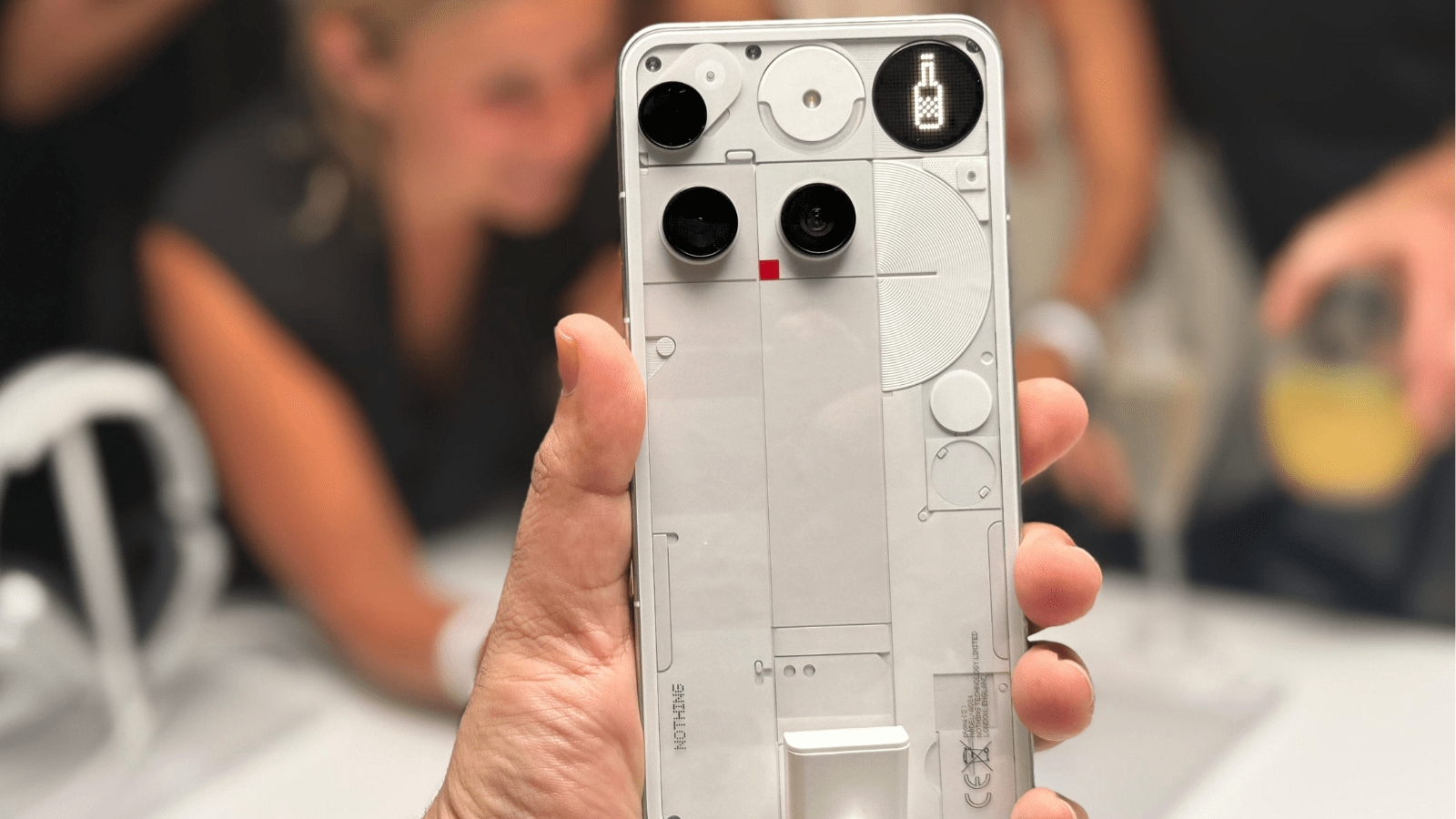

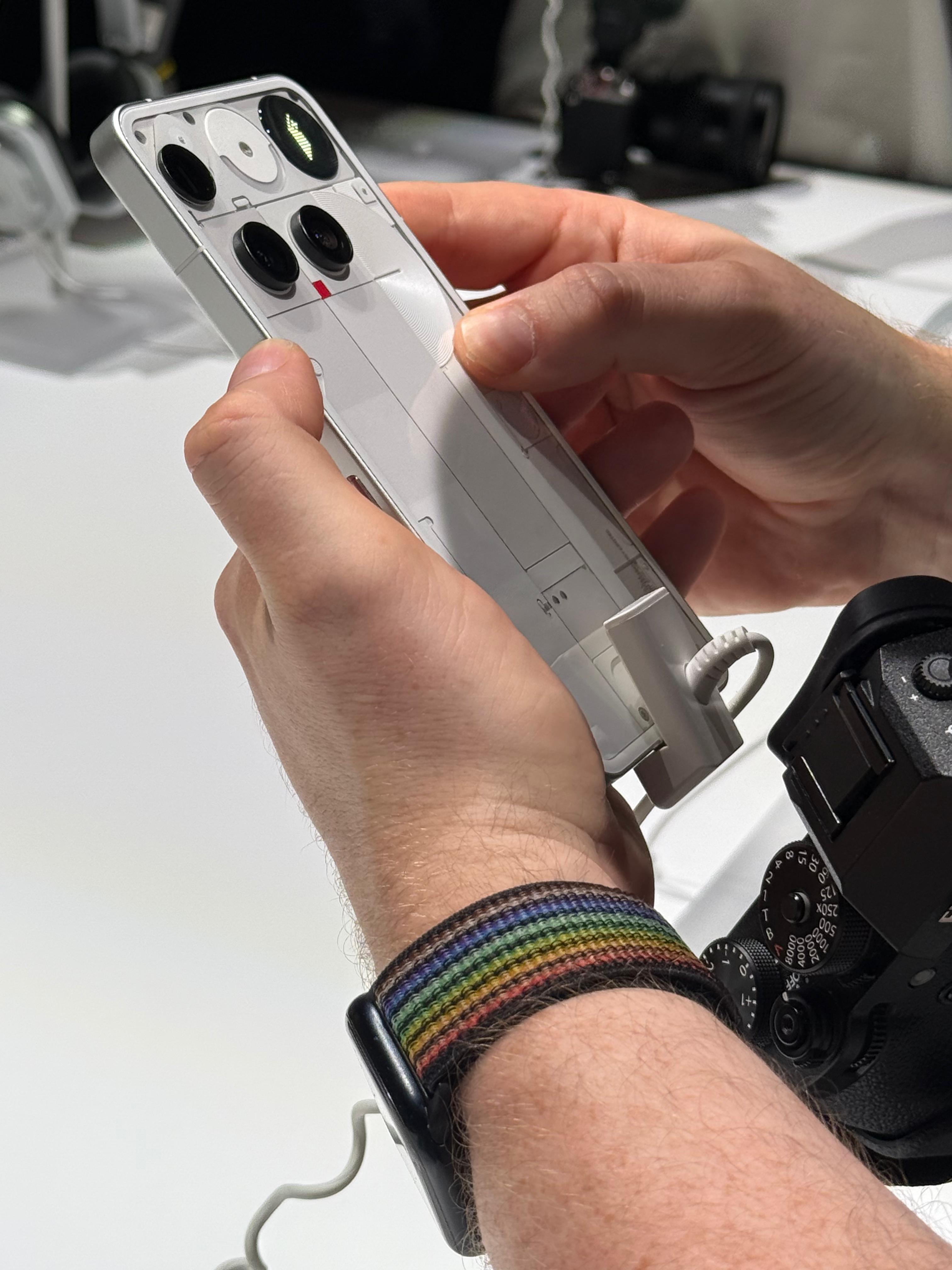 The matrix is made of 489 LEDs, and offers more utility than the original Glyph interface. (Image credit: Anuj Bhatia/Indian Express)
 There’s a Glyph button that sits under the glass back. (Image credit: Anuj Bhatia/
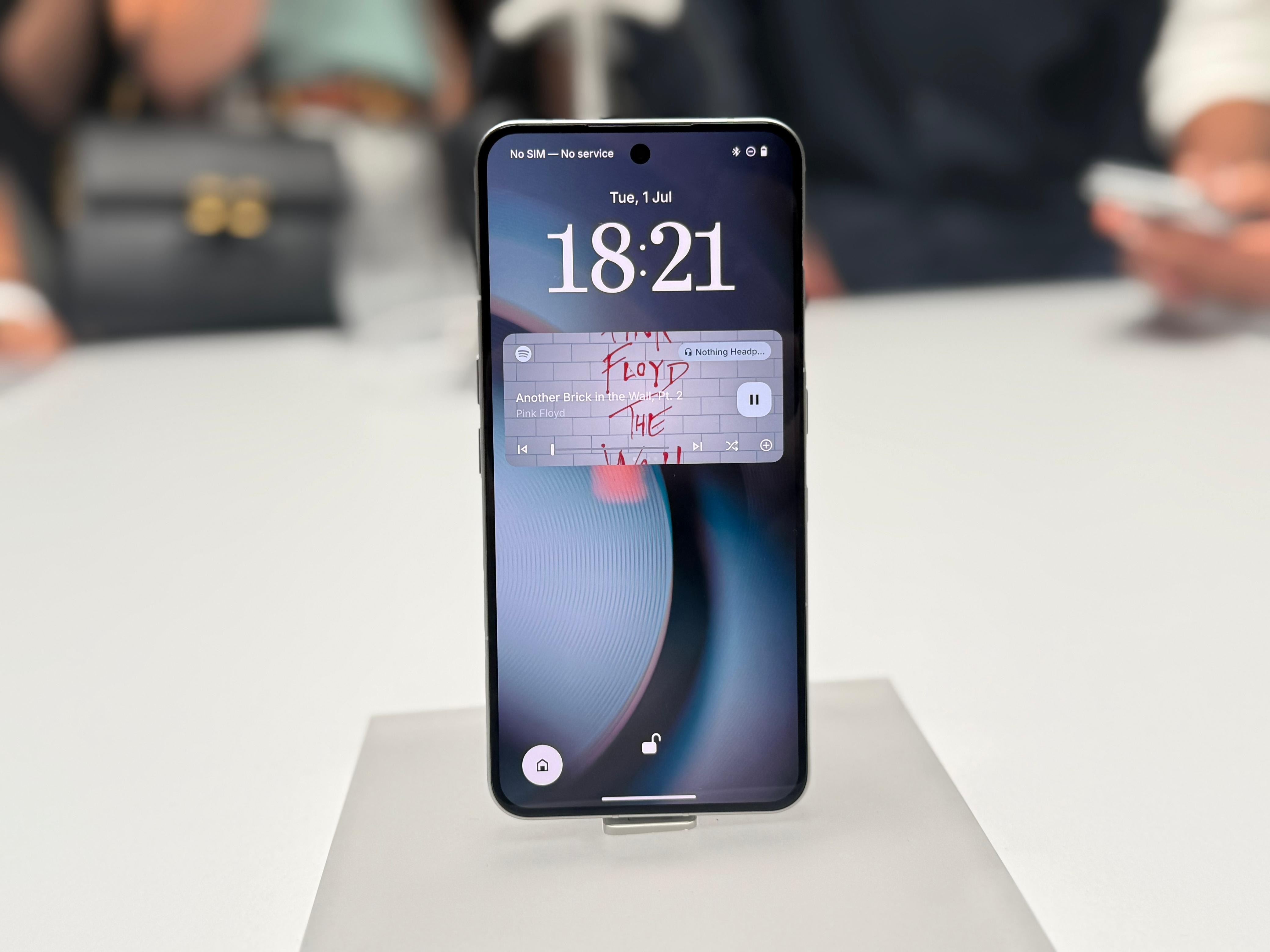 The Phone 3 is Nothing’s most expensive smartphone, coming in at 799 Pounds or Rs 79,999. (Image credit: Anuj Bhatia/Indian Express)