


© IE Online Media Services Pvt Ltd
Tags:


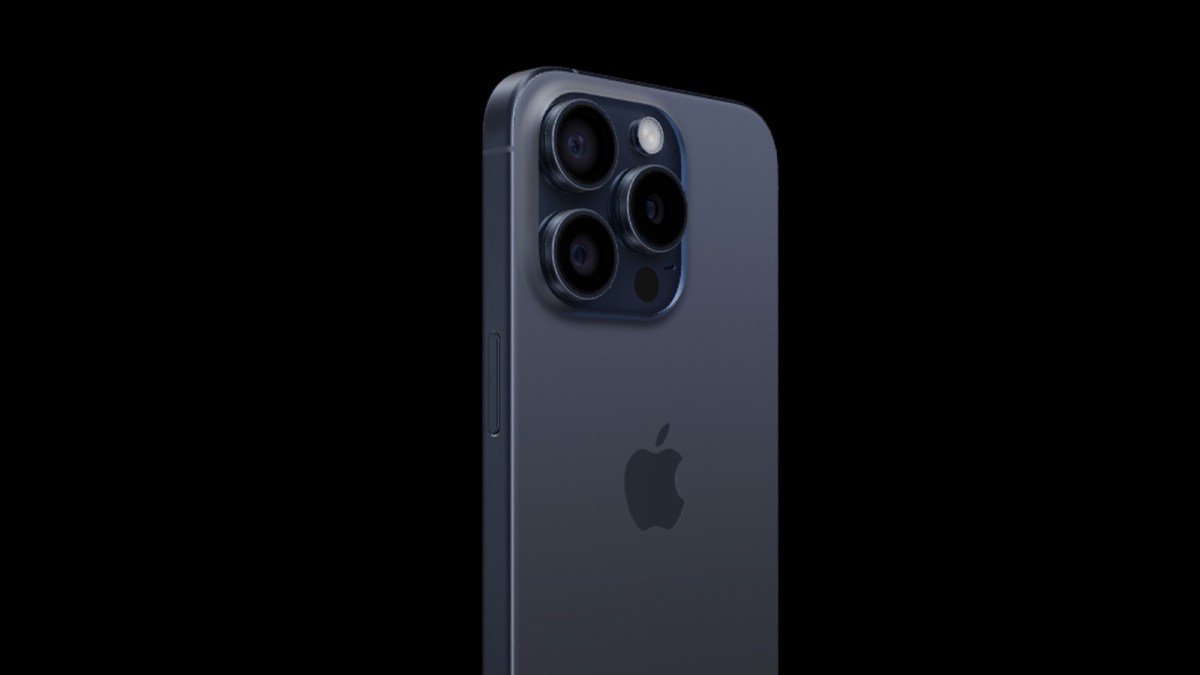
In a market landscape increasingly dominated by foldable phones and Huawei’s resurgence in China, Apple’s iPhone shipments are projected to face a significant downturn this year, according to a recent analysis by Ming-Chi Kuo.
Despite Apple’s achievement as the leading smartphone vendor in China last year, Kuo indicates a noticeable shift in the tide. In his latest supply chain survey, Kuo notes a reduction in shipments of “key upstream semiconductor components,” potentially resulting in a 15% year-over-year decrease in iPhone shipments, with an estimated 200 million units.
The decline in weekly shipments in China, down by 30% to 40% compared to the previous year, signals a continuing downward trajectory for Apple, according to Kuo. He anticipates Apple experiencing one of the most significant declines among major global mobile phone brands in 2024. China is an extremely important market for Apple, contributing to a chunk of the iPhone sales, so any fall in sales in the country are quite significant.

Attributing this decline to Huawei’s resurgence and the growing preference for foldable phones among high-end users in China, Kuo underscores the impact of evolving consumer preferences and competition in the market. Additionally, advancements such as new phone designs integrating generative artificial intelligence contribute to reshaping the landscape.
Meanwhile, Samsung appears to be capitalising on demand with its new Galaxy S24 series, experiencing a 5% to 10% increase in shipments, driven by the appeal of its AI-powered features.
Looking ahead, Kuo suggests that Apple’s shipment forecast for the iPhone 15 in the first half of 2024 has been revised downward. With no significant design changes expected until at least 2025, Apple faces challenges in maintaining shipment momentum and ecosystem growth in the interim.
Apple’s quarterly results, due to be reported on Thursday, are eagerly anticipated. Projections for the remainder of the year indicate single-digit growth for Apple.


