3 min read
© IE Online Media Services Pvt Ltd



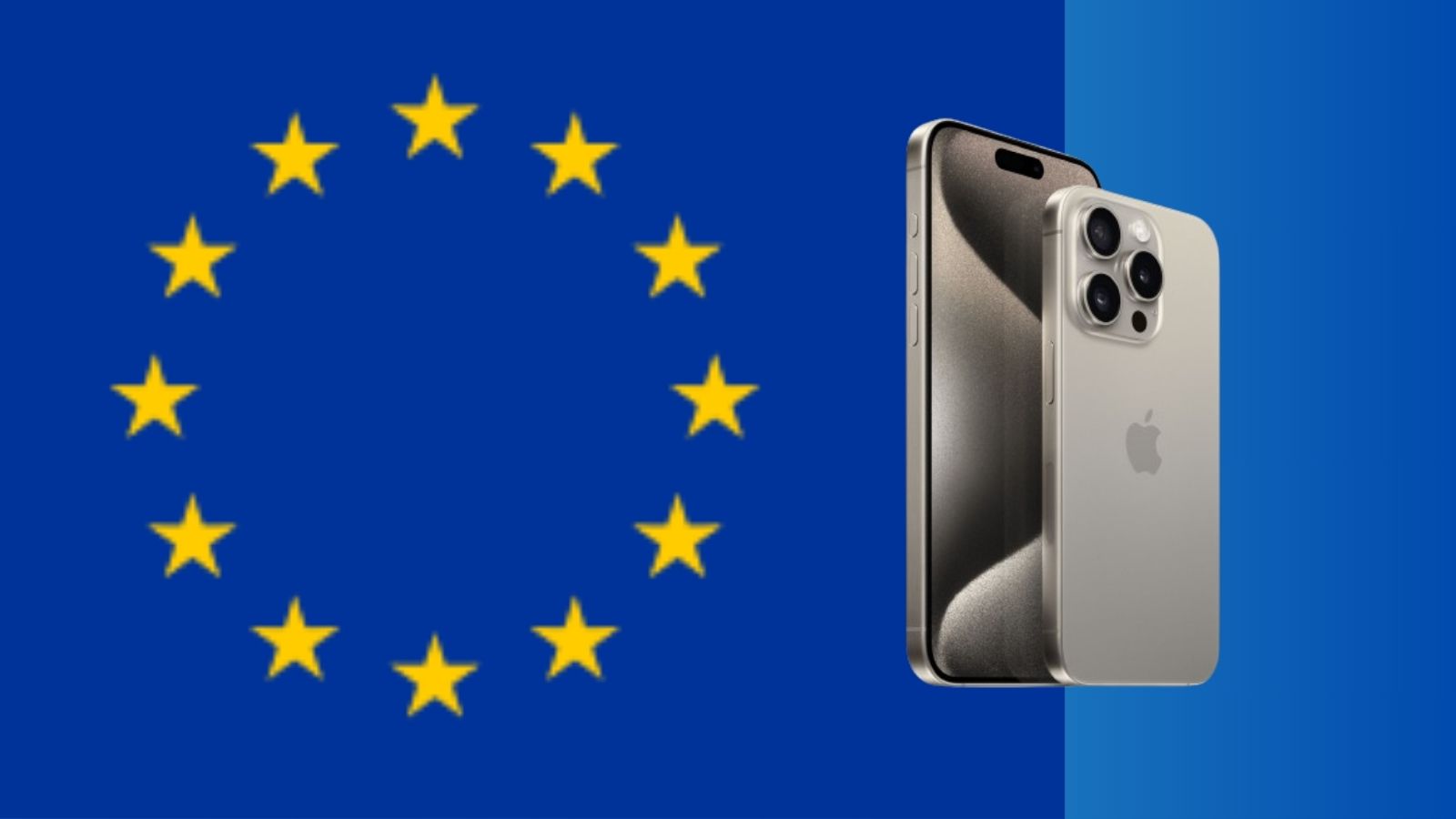 The EU is putting its foot down on Big Tech gatekeepers - Apple is one of them. (Express image)
In a major shake-up for the iPhone maker, Apple will soon be required to open up key aspects of its tightly controlled iOS ecosystem to third-party alternatives in the European Union. The changes are being driven by the EU’s new Digital Markets Act (DMA) tech regulations, which aim to boost competition by preventing large tech “gatekeepers” from unfairly favoring their own products and services.
One of the most visible changes coming to iPhones in the EU is the ability for users to choose their preferred web browser during the device setup process. Rather than defaulting to Apple’s Safari browser, users will be presented with a choice of web browsers available in their market, such as Google Chrome, Mozilla Firefox, and others.
Developers will also gain more flexibility, as they will now be permitted to use web rendering engines other than Apple’s WebKit in their browser apps and in-app browsing components. This could allow browsers like Chrome and Firefox to operate more seamlessly on iOS.
In another browser-related shift, EU iPhone users will soon be able to completely remove Apple’s Safari web browser from their devices if desired. Currently, Safari cannot be deleted as it is deeply integrated with the iOS system. However, the DMA mandates Apple to allow users to remove pre-installed apps they don’t want.
The DMA also aims to enable greater interoperability between messaging platforms. However, this is complex, so Apple’s iMessage is currently exempt due to its limited reach in the EU compared to Meta’s WhatsApp and Messenger.
Those apps must start allowing basic messaging interoperability with rivals like Telegram and Signal, but only if specifically requested. Full functionality like group chats and voice/video calling across platforms could take much longer.
Likely the biggest change is that Apple can no longer force developers to use its App Store as the sole distribution method for apps on iOS in the EU market. Third-party app stores will be permitted, allowing developers to potentially bypass Apple’s strict app review policies and contentious 15-30% commission on digital sales.
Additionally, Apple will enable alternative payment systems beyond just Apple Pay for mobile apps and digital purchases. Developers of payment apps will be able to access the iPhone’s NFC chip for contactless payments.
Another DMA requirement is to make it easier for iPhone users to transfer their data and switch to Android devices or other mobile operating systems. Apple says it is working on “more user-friendly solutions” for cross-platform data migrations, though this capability isn’t expected until late 2025.