2 min read
© IE Online Media Services Pvt Ltd



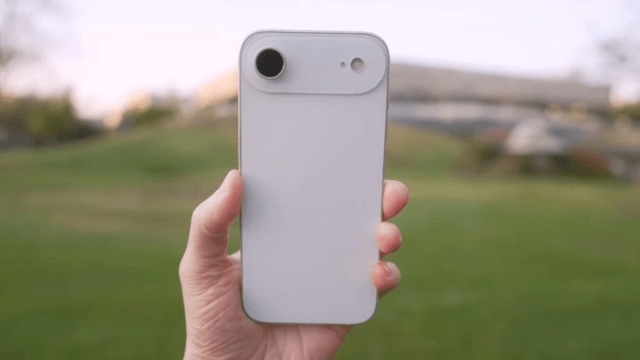 The iPhone Air replaces the iPhone Plus. (Image Source: Majin Bu/X)
Last month, Apple unveiled the iPhone 17 series alongside the iPhone Air- its slimmest smartphone to date. While the iPhone Air serves as a viable alternative for the now-discontinued iPhone Plus, it looks like Apple is now drastically scaling back production.
According to a recent report by Nikkei Asia, production orders for the iPhone Air are being scaled down to “end of production” levels, despite the phone launching in the Chinese market just one week ago. Citing multiple sources familiar with the matter, the publication said that the move was taken because of weak demand in most markets.
In a post on X, Apple analyst Ming Chi Kuo also said that most iPhone Air suppliers are “expected to reduce capacity by more than 80% by 1Q26.”
iPhone Air demand has fallen short of expectations, leading the supply chain to begin scaling back both shipments and production capacity. Most suppliers are expected to reduce capacity by more than 80% by 1Q26, while some components with longer lead times are expected to be…
— 郭明錤 (Ming-Chi Kuo) (@mingchikuo) October 22, 2025
If we examine Apple’s initial production plan, the iPhone Air accounted for approximately 10 to 15 per cent of overall iPhone production and was strategically positioned to make way for the first foldable iPhone, which is expected to be launched sometime in 2026.
The publication claims that Apple has instructed several suppliers to reduce their production of components and electronics for the iPhone Air. According to one supply chain manager, production orders for the new model, “the total forecast has almost entered end-of-production mode, dropping significantly compared to earlier projections, to only about 10 per cent fewer orders compared with September, starting in November.”
Despite the low interest in the iPhone Air, the report states that demand for the iPhone 17 and the iPhone 17 Pro models has exceeded expectations. While Apple has ordered part makers to increase the orders for the vanilla iPhone 16 by about 5 million units, it has also boosted orders for the iPhone 17 Pro by a significant amount.