


Tags:


NASA has invited citizen scientists to help them track mosquitos known to carry and spread diseases like Zika, West Nile Virus and malaria to create new forecast models that can predict the spread of these diseases.
“We do not have enough information on the geographic distribution of mosquito and time-variation in their populations. If a lot of people participated in this citizen science initiative worldwide, it will help fill in gaps and that would help our work,” Assaf Anyamba, a scientist from Universities Space Research Association at NASA’s Goddard Space Flight Center in Greenbelt, Maryland, said in a statement.


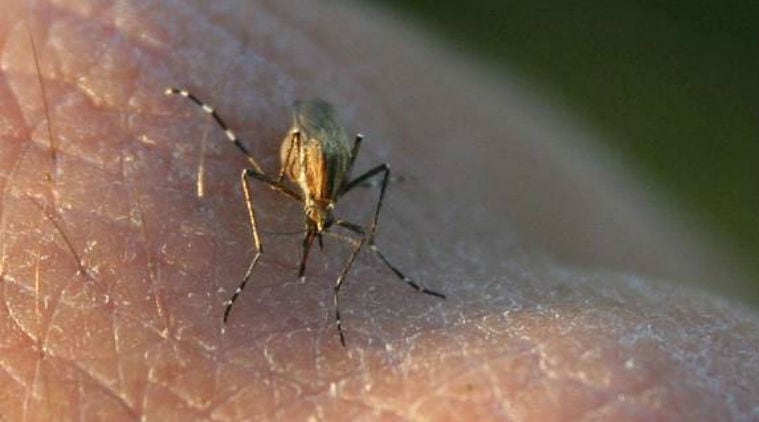
Early results have showed that vegetation, humidity and soil moisture made it easier for mosquitoes to thrive during the summer months. During the winter, elevation played a stronger role in creating mosquito-friendly habitats. The public can help track mosquitoes by downloading an app called GLOBE Observer, and then collect data over the summer using the Mosquito Habitat Mapper tool in the app, NASA said. The app guides users through the process of identifying and eliminating mosquito breeding sites in order to reduce mosquito populations in their immediate surroundings.
Also read: NASA scientists to use submarines to hunt for meteorite remains in Pacific Ocean
More citizen science data from more areas of the world could help, the US space agency noted. “Knowing the mosquito species and their approximate populations at a given time provides useful information on the potential of occurrence of a particular pathogen, or disease transmission,” Anyamba said.


