


© IE Online Media Services Pvt Ltd
Tags:


NASA’s Artemis 1 mission, scheduled to launch on September 27 after two failed launch attempts, will carry Arabidopsis thaliana (Thale cress) seeds into space to help scientists understand the impact of spaceflight beyond the Van Allen radiation belt on amino acids. “Space crops” grown from such seeds could potentially help supply a proportion of the crew’s dietary requirements during future long-term crewed missions.


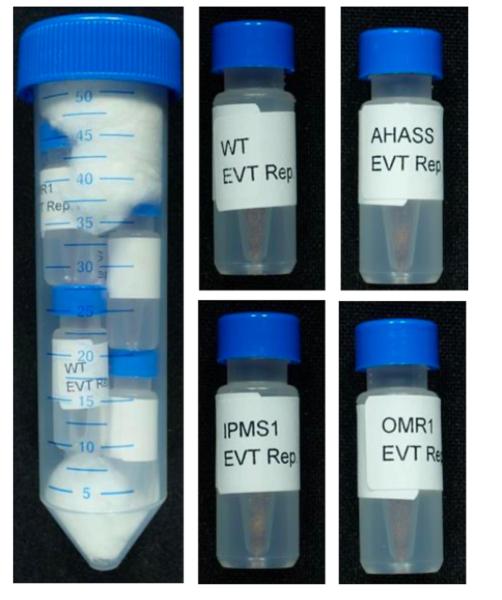
NASA’s experiment, called “Life Beyond Earth: Effect of Space Flight on Seeds with Improved Nutritional Value,” will provide knowledge that can help improve practices for plant selection and seed transportation during future deep-space exploration missions.

As seeds sprout, they use their stored nutrient reserves to grow and develop till the seedling can reach sunlight and start producing its own nutrients. Going to space can potentially drain these nutrient reserves. Scientists propose that the seeds with increased BCAA levels will better endure the stress and produce healthy seedlings, making them more appropriate for usage in spaceflight to grow space crops. Arabidopsis thaliana seeds are convenient for this purpose because their small size allows for many specimens to be carried in one container.


