4 min read
© IE Online Media Services Pvt Ltd



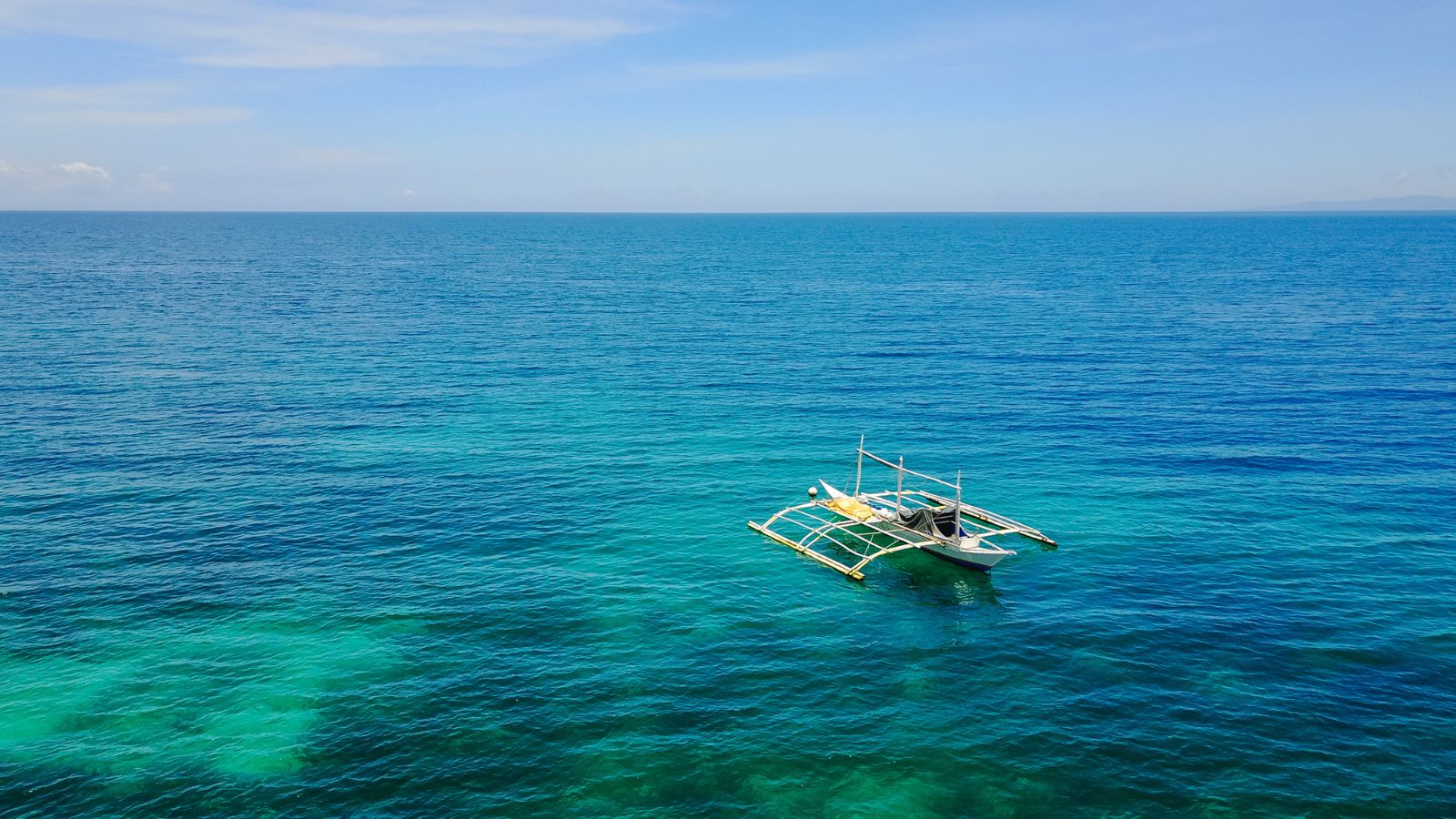 (Image for representation: Freepik)
For generations, Bermuda has been wrapped in myth, its name most often linked to tales of vanishing ships and aircraft. Now, scientists say the real mystery lies far below the waves. Deep beneath the island chain, researchers have identified a massive rock layer unlike anything previously seen on Earth.
The newly discovered formation sits beneath the oceanic crust under Bermuda and measures around 20 kilometres thick, a staggering size for a layer found in this part of the planet. In most regions of the ocean, the crust gives way directly to the mantle below. Beneath Bermuda, however, something entirely different appears to be wedged in between.
“Normally, you expect a clean transition from the oceanic crust into the mantle,” said William Frazer, a seismologist at Carnegie Science in Washington, DC, and lead author of the study. “Under Bermuda, there’s this extra layer that simply shouldn’t be there.”
The finding may help solve a long-standing geological puzzle. Bermuda sits on a broad rise in the Atlantic seafloor, known as an oceanic swell, where the crust is lifted higher than the surrounding regions. Such swells are usually associated with active volcanic hotspots, like those that created the Hawaiian Islands. But Bermuda’s volcanoes fell silent around 31 million years ago, and there has been no sign of renewed activity since.
Despite that, the seafloor beneath Bermuda has never fully sunk back down.
Frazer and his colleague Jeffrey Park of Yale University turned to seismic data to investigate what might be holding the region up. By analysing vibrations from powerful earthquakes that occurred thousands of kilometres away, recorded by a seismic station on Bermuda, the researchers were able to “see” deep into the Earth. Changes in the speed and behaviour of these seismic waves revealed the presence of an unusually thick, relatively light layer of rock buried beneath the crust.
The team believes the layer may be a relic of Bermuda’s volcanic past. When magma last surged upward millions of years ago, it may have forced mantle material into the crust, where it cooled and solidified. The result would be something like a geological raft, a thick slab of buoyant rock that continues to prop up the seafloor long after volcanic activity ceased.
“This leftover material could be what’s keeping Bermuda elevated,” Frazer explained. “It’s a fossil of the island’s violent beginnings.”
Other geologists said the discovery fits with growing evidence that Bermuda’s origins are different from many other ocean islands. Sarah Mazza, a geologist at Smith College who was not involved in the study, noted that Bermuda’s lavas are unusually low in silica and rich in carbon, a chemical fingerprint pointing to a deep and ancient source within the mantle.
Her research suggests that this carbon may date back hundreds of millions of years, to a time when the supercontinent Pangaea was forming and breaking apart. Because the Atlantic Ocean opened as Pangaea split, Bermuda may sit above mantle material shaped by processes very different from those beneath older oceans like the Pacific.
Also Read: Why the brain gets tired: Researchers uncover the biology of mental fatigue
“The fact that this region was once at the heart of a supercontinent is probably key to why Bermuda is so unusual,” Mazza said.
The findings, published in Geophysical Research Letters, raise a broader question: ‘Is Bermuda truly unique, or have similar structures gone unnoticed elsewhere?’
Frazer is now examining seismic data from other islands to see whether comparable hidden layers exist beneath them.
For now, the discovery has added a new chapter to Bermuda’s story, one grounded not in legend, but in deep time and buried stone. Far from the myths of the Bermuda Triangle, the island’s true mystery appears to be written in the rocks beneath our feet, offering a rare glimpse into the extreme forces that have shaped the planet from the inside out.