This is an archive article published on July 20, 2018
HTC… another smartphone tragedy in the making?
HTC, the Taiwanese smartphone maker that had considerable eyeballs for many years, is finally pulling out of India, the fastest growing mobile market in the world.
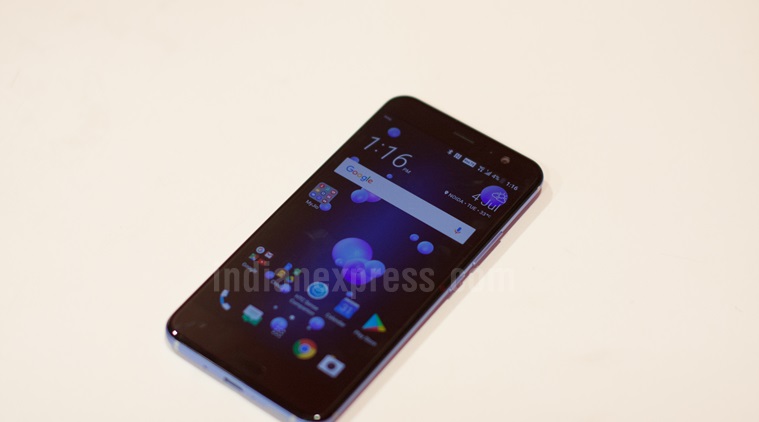
HTC has ended all distribution tie-ups in the country and halted local manufacturing.
It was waiting to happen. But has it happened too soon? HTC, the Taiwanese smartphone maker that had considerable eyeballs for many years, is finally pulling out of India, the fastest growing mobile market in the world. If reports are to be believed, most of its top brass, including country head Faisal Siddiqui, sales head Vijay Balachandran and product head R Nayaar, have left the organization. The situation is so grim that the company has ended all distribution tie-ups in the country and halted local manufacturing.
Once hailed as a top smartphone brand, HTC’s slide was rather quick. From a position where it had a phone to offer at all price points to a situation where it struggled to keep pace with the likes of Apple, Samsung and Xiaomi, this is a story that is in many ways similar to what happened to BlackBerry. One of the first smartphone brands, HTC was known for its premium, metal-bodied phones. But as Apple and Samsung went for the top-end and Xiaomi began to capture the low-end of the market, HTC failed to hold back any of its loyal users.
To start with, the onslaught of the Chinese brands in the budget segment was hard to fight. Even as it had a decent share of the market in the mid-range with its Desire series, the Xiaomi and Oppo phones appealed more to the Indian user thanks to the better specs and pricing. Xiaomi exploited online channels well even as HTC struggled to hold on to its offline ones and couldn’t really get a start online.
Also, HTC seemed too engrossed in the low volume high margin game with its premium M series phones and didn’t really exploit the potential of its mid-range Desire series. The decline of HTC in India can also be linked to its dismal performance in its home country and the US. Back in 2011, HTC had a market share of 10.7 per cent in Q2 2011, making it the fourth biggest smartphone manufacturer globally. In fact, HTC did briefly manage to become the biggest smartphone manufacturer in the US in the third-quarter of 2011, beating both Apple and Samsung. In 2018, HTC has a less than 1 per cent market share in the global smartphone market.
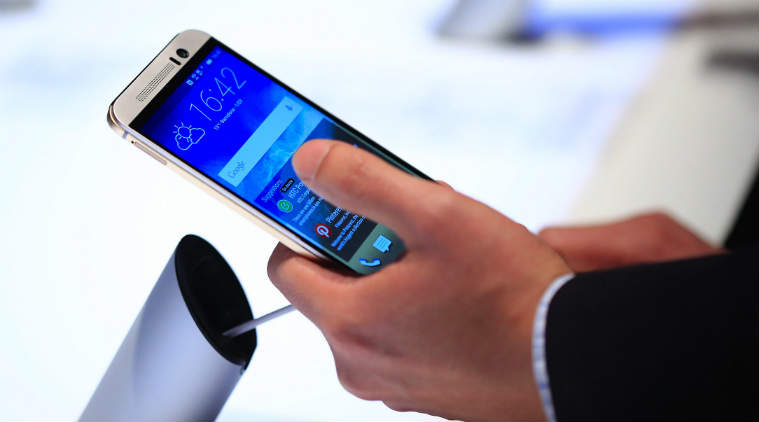
The decline of HTC in India can also be linked to its dismissal performance in its home country and the US.
The acceptance of the Galaxy S series and the dominance of iPhone gave both Samsung and Apple the reach and power to bring more people to their ecosystem. Better negotiation with the supply chain, deep relationships with retailers, distributors and carrier partners, and early access to components have helped Apple and Samsung dominate the smartphone market.
HTC has long been considered to be an innovative phone manufacturer. Not many remember it developed one of the first phones with a touch-enabled interface which ran on Microsoft’s software. In 2008, HTC announced the world’s first Android smartphone, dubbed the G-1. Two years later, it came up with the first Nexus phone, once again powered by Google’s Android mobile OS.
It’s 2018, and things are not looking bright for HTC. The company’s future remains uncertain, so much so that it last year sold its entire Pixel team to Google for $1 billion. It still refreshes its flagship smartphone lineup annually, but its latest U12+ is off to a slow start. Besides its mobile division, HTC has gradually moved to the VR territory, but that segment has its own set of challenges. We can only hope that HTC does not go the way of Nokia and BlackBerry.
Anuj Bhatia is a seasoned personal technology writer at indianexpress.com with a career spanning over a decade. Active in the domain since 2011, he has established himself as a distinct voice in tech journalism, specializing in long-form narratives that bridge the gap between complex innovation and consumer lifestyle.
Experience & Career: Anuj has been a key contributor to The Indian Express since late 2016. Prior to his current tenure, he served as a Senior Tech Writer at My Mobile magazine and held a role as a reviewer and tech writer at Gizbot. His professional trajectory reflects a rigorous commitment to technology reporting, backed by a postgraduate degree from Banaras Hindu University.
Expertise & Focus Areas: Anuj’s reporting covers the spectrum of personal technology, characterized by a unique blend of modern analysis and historical context. His key focus areas include:
Core Technology: Comprehensive coverage of smartphones, personal computers, apps, and lifestyle tech.
Deep-Dive Narratives: Specializes in composing longer-form feature articles and explainers that explore the intersection of history, technology, and popular culture.
Global & Local Scope: Reports extensively on major international product launches from industry titans like Apple and Google, while simultaneously covering the ecosystem of indie and home-grown tech startups.
Niche Interests: A dedicated focus on vintage technology and retro gaming, offering readers a nostalgic yet analytical perspective on the evolution of tech.
Authoritativeness & Trust
Anuj is a trusted voice in the industry, recognized for his ability to de-jargonize trending topics and provide context to rapid technological advancements. His authority is reinforced by his on-ground presence at major international tech conferences and his nuanced approach to product reviews. By balancing coverage of the world's most valuable tech brands with emerging startups, he offers a holistic and objective view of the global technology landscape.
Find all stories by Anuj Bhatia here.
You can find Anuj on Linkedin. ... Read More


 4 min read


 HTC has ended all distribution tie-ups in the country and halted local manufacturing.
 The decline of HTC in India can also be linked to its dismissal performance in its home country and the US.