Premium
This is an archive article published on April 8, 2024

‘AI will become central part of PCs, use cases still evolving’: Dell’s Raj Kumar Rishi on new AI-capable portfolio in India

Dell has also launched AI-capable PCs Alienware m16 R2, aimed at gamers, as well as the Inspiron 14 Plus.

Dell XPSDell said the new XPS 14 and XPS 16 come with “AI-enabled features” thanks to Intel Core Ultra processors and experiences enabled by Microsoft’s Copilot AI assistant for Windows 11. (Image credit: Dell)

Dell Technologies on Monday unveiled its latest lineup of premium personal computers featuring a suite of built-in Artificial Intelligence tools, aiming to widen the appeal of its XPS laptops and Alienware gaming PCs in markets like India. 

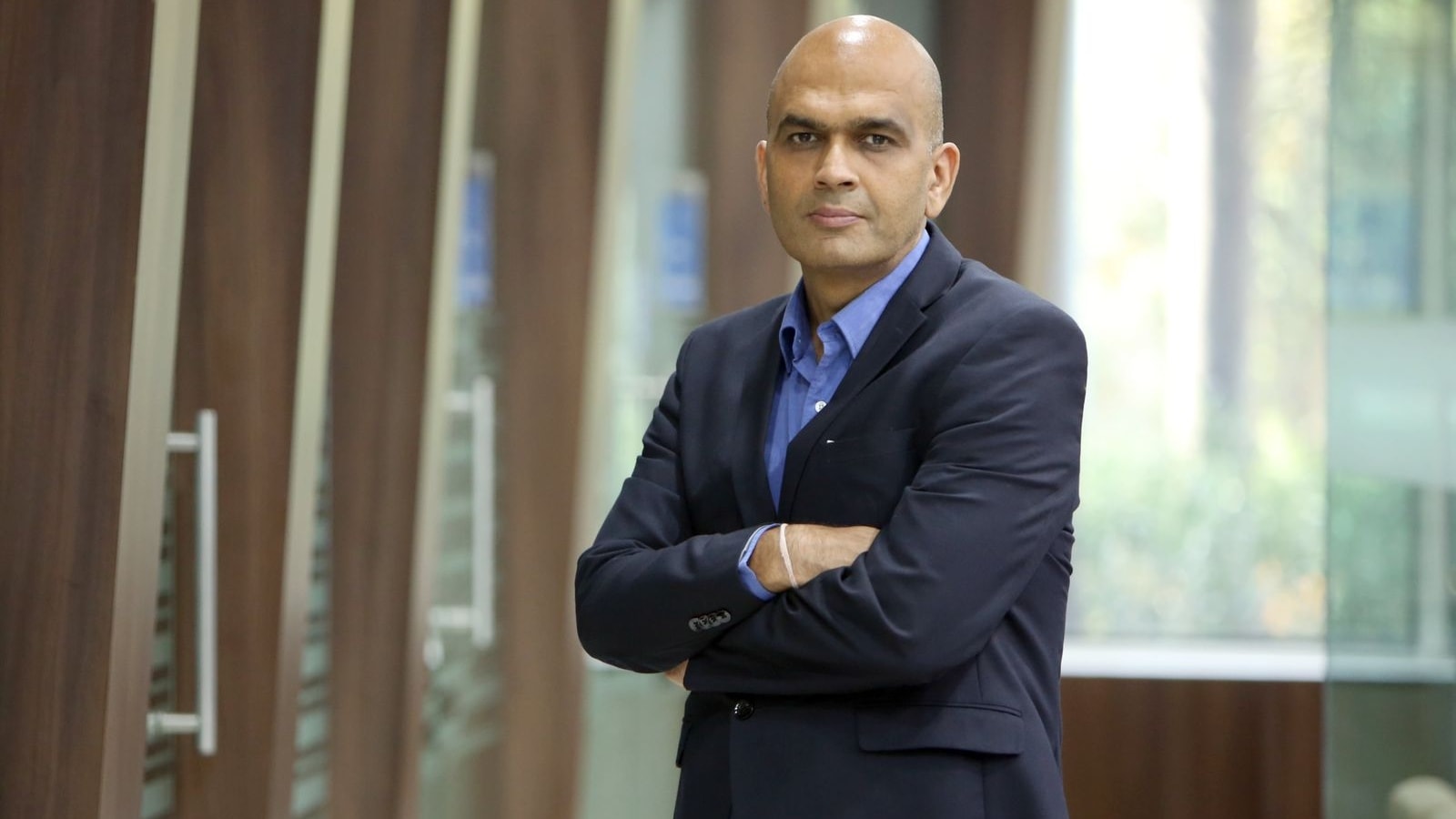
“AI will be a transformational aspect in terms of the evolution of PCs, as artificial intelligence becomes a central part of PCs going forward,” said Raj Kumar Rishi, Vice President and Managing Director (Consumer and Small Business), Dell Technologies India, explaining why the PC giant is so bullish on AI in its latest generation of PCs.

Dell Raj Kumar Rishi, Vice President and Managing Director (Consumer and Small Business), Dell Technologies India (Image credit: Dell)
The focus on AI marks a shift in the PC landscape as major brands head in that direction and begin making the technology more ubiquitous.

In an interview on the sidelines of the launch of the new AI-capable PC portfolio in Delhi, Rishi told indianexpress.com, “The shift will actually happen over a period of time, in a few quarters as the hardware and software start rolling out. It’s not a step function where we will get all the features and AI enabling done in one go. The use cases, as they stand out, will continue to evolve”. 

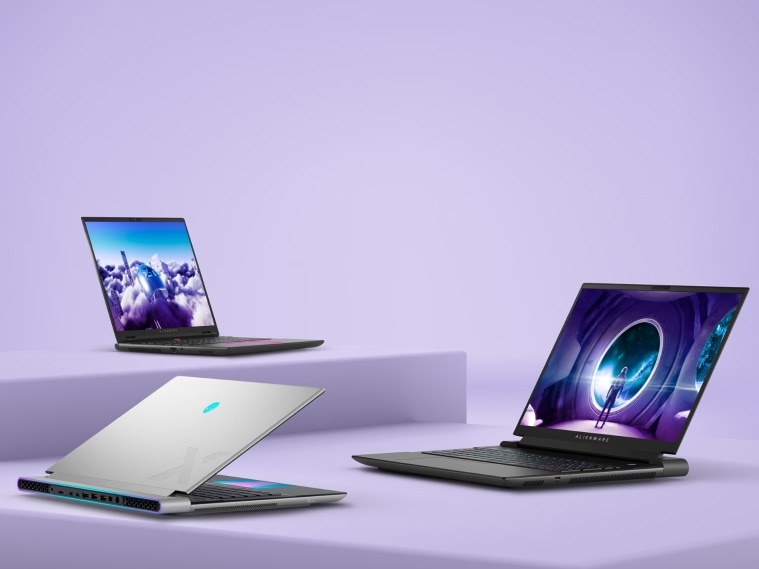
Dell Alienware All of these new laptops feature Intel’s new Core Ultra chips, which means they feature NPUs for AI work. (Image credit: Dell)
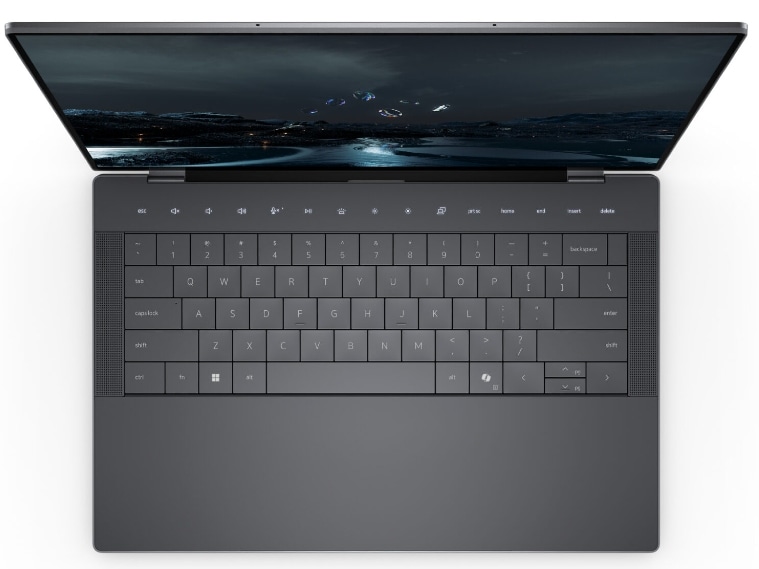
The new XPS lineup now includes new sizes — 14-inch and 16-inch laptops — powered by Intel’s AI-ready “Meteor Lake” Core Ultra CPUs and featuring a Microsoft Copilot key embedded in the keyboard. Both notebooks have adopted the ultra-modern design style of the previously released XPS 13 Plus (review), featuring an invisible seamless touchpad, flush edge-to-edge keyboards, an LED function row, and the Core Ultra’s neural processing unit (NPU) for onboard AI tasks. The XPS 14 starts at Rs 1,99,900 and the XPS 16 starts at Rs 2,99,990; both will be available later this month. 

Dell has also launched the Alienware m16 R2 as well as the Inspiron 14 Plus. Both are AI-capable PCs, with the Alienware m16 R2 being aimed at gamers. 

Banking on generative AI

PC sales spiked during the height of the pandemic, but as people returned to work, they began to plunge. Last year, PC shipments fell nearly 15 per cent year-on-year, according to Gartner. However, PC shipments are bound to go up on the backdrop of the AI boom. Market research firm Canalys predicts that an estimated 48 million AI-capable PCs will ship worldwide in 2024, representing 18 per cent of total PC shipments.

Story continues below this ad

The industry as a whole, consisting of hardware makers, chip companies, software developers, and operating system providers, is increasingly adding AI to their next generation of products. Microprocessor makers, including Intel, Qualcomm, AMD, and Nvidia, are already producing more dedicated SoC chipsets and neural processing units (NPUs) that assist edge-device CPUs and GPUs in executing Gen AI tasks.

Generative AI is a type of artificial intelligence capable of generating images, text, or other content. ChatGPT, an AI chatbot by OpenAI, was built on a large language model that helps users come up with answers to questions, refine essays or resumes, and even generate images and videos. The popular AI chatbot is one among many use cases of Gen AI. However, the end goal of many companies is to operate Gen AI through PCs and smartphones, which would allow AI chatbots and apps to run on the device’s hardware and software rather than be powered by cloud services in data centres.

Dell XPS At first glance, the new XPS notebook doesn’t appear to have a touchpad — there’s just a strip of glass below the keyboard deck. However, there is a capacitive touch trackpad in that area. (Image credit: Dell)

“We are going to depend less on the Cloud, as many of these tasks can be conducted within the PC itself. So, scenarios are going to evolve where we will be balancing between the dependency on the cloud and the processing of Gen AI on edge devices,” said Rishi. 

That’s why silicon makers and PC vendors are turning their attention to AI PCs, which will allow them to essentially offload processing from data centres to dedicated chipsets to run on-device AI workloads. That technological change requires reductions in the size of the large language models that power AI, as well as higher-performance processors.

Story continues below this ad

At the moment, Microsoft’s Copilot, an AI chatbot, fundamentally drives AI-powered features in Windows. However, analysts believe the next version of Windows, likely called Windows 12 and reportedly coming later this year, could come with integrated AI-powered features, setting the stage for a Gen AI explosion at the operating system level.

Anuj Bhatia is a seasoned personal technology writer at indianexpress.com with a career spanning over a decade. Active in the domain since 2011, he has established himself as a distinct voice in tech journalism, specializing in long-form narratives that bridge the gap between complex innovation and consumer lifestyle. Experience & Career: Anuj has been a key contributor to The Indian Express since late 2016. Prior to his current tenure, he served as a Senior Tech Writer at My Mobile magazine and held a role as a reviewer and tech writer at Gizbot. His professional trajectory reflects a rigorous commitment to technology reporting, backed by a postgraduate degree from Banaras Hindu University. Expertise & Focus Areas: Anuj’s reporting covers the spectrum of personal technology, characterized by a unique blend of modern analysis and historical context. His key focus areas include: Core Technology: Comprehensive coverage of smartphones, personal computers, apps, and lifestyle tech. Deep-Dive Narratives: Specializes in composing longer-form feature articles and explainers that explore the intersection of history, technology, and popular culture. Global & Local Scope: Reports extensively on major international product launches from industry titans like Apple and Google, while simultaneously covering the ecosystem of indie and home-grown tech startups. Niche Interests: A dedicated focus on vintage technology and retro gaming, offering readers a nostalgic yet analytical perspective on the evolution of tech. Authoritativeness & Trust Anuj is a trusted voice in the industry, recognized for his ability to de-jargonize trending topics and provide context to rapid technological advancements. His authority is reinforced by his on-ground presence at major international tech conferences and his nuanced approach to product reviews. By balancing coverage of the world's most valuable tech brands with emerging startups, he offers a holistic and objective view of the global technology landscape. Find all stories by Anuj Bhatia here. You can find Anuj on Linkedin. ... Read More


 

Latest Comment
Post Comment
Read Comments
Advertisement
Loading Taboola...
Advertisement