2 min read
© IE Online Media Services Pvt Ltd



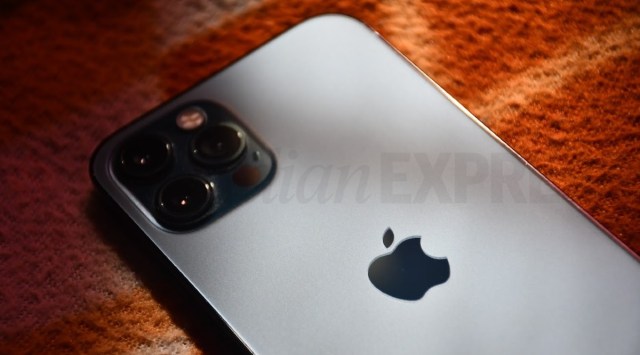 Given smartphones have become unaffordable for many in uncertain times, Apple may introduce an alternative subscription service to subsidise the cost of the hardware. (Image credit: Nandagopal Rajan/Indian Express)
 Apple hasn’t abandoned its plans to sell the iPhone as a subscription service after repeated delays internally. Bloomberg’s Mark Gurman reported over the weekend that Cupertino is very much still working on offering iPhones as part of a hardware subscription service despite facing several “engineering and technical setbacks” which had delayed the service.
The tech giant has been working on developing a subscription service for the iPhone and other hardware for months. In fact, the original plan was to roll out the service with the iPhone 13 or iPhone 14 but the plan never materialised. Gurman says Apple continues to work on the new subscription service, which will eventually be rolled out to consumers.
Under CEO Tim Cook, Apple has been strengthening its subscription services. Over the past few years, Apple has expanded its services to broaden the appeal of its products. Many of those subscriptions such as Apple Arcade and Apple Music have been bundled into the company’s Apple One plan.
The hardware subscription service will take Apple’s push toward subscription services to a whole new level. According to a Bloomberg report, Apple wants to subsidise the cost of the hardware to make it more appealing to consumers. To do that, the monthly charge simply wouldn’t be the price of the iPhone divided by 12 or 24 months. Gurman says Apple is yet to decide on the monthly cost of owning the hardware, which could mean the cost will vary depending on the price of the hardware. In the US, Apple already offers the iPhone Upgrade Programme but the upcoming hardware subscription service will work differently.
Smartphone prices have gradually gone up due to higher component costs, making it harder for consumers to afford them. Phone shipments around the globe fell 18 per cent from the year prior, according to Internal Data Corporation (IDC). Apple, too, has witnessed slowing iPhone sales. iPhone sales fell in the fiscal first quarter, down 8.1 per cent to $65.8 billion as the company experiences the slowest revenue growth since 2016.