Journalism of Courage
 6 min read


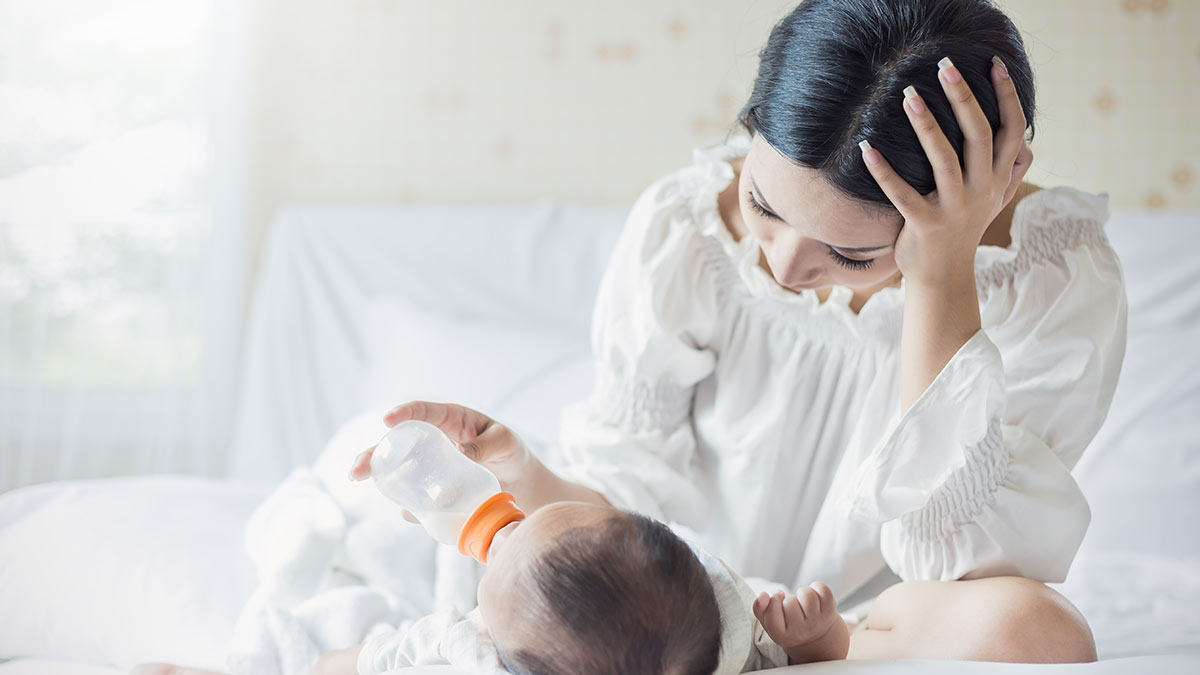 Neonate and its first month
The new mother is anxious and often in postpartum blues. She has access to many different information, hears endless advice and opinions on baby care which can be difficult to handle and often break down. With globalisation there is an instant exposure to information of different practices and the moms are puzzled on what to follow. The family is also excited and wants to do the best practice to raise the baby. The current age families are nuclear and the new parents are alone and apprehensive in the care of their neonate.
The neonatologist plays a vital role in aiding the mother and family ease in with their neonate. They help the family to understand and anticipate their baby’s 1 st month journey
The first 28 days of life is the neonatal period where the babies are highly susceptible to illness if not cared adequately.
The important triad of the first month to be ensures in every neonate is
A. Optimal breast feeding: Breast milk “Amruth and the first vaccine” to the baby. Establishing breast feeding is the biggest challenge for every 1st time mother. It may not be easy and smooth for every mother and baby. Optimal feeding involves painless feeding with no sore nipple in the mother. Baby during the breastfeed should be comfortable with good sucks and swallow. A well-fed baby will be able to pass more than 6 clear urines in a day and the poop colour changes from black to yellow by day 4-5.
Crucial areas to establish feeds are:
1.Breast examination of the mother prior to delivery and ensure support to breastfeeding
2 To identify at risk mothers with nipple concerns like flat inverted nipple and rectify these after birth with nipple accessories such as pullers shield and assistance through lactation consultants’ as soon as possible after birth
3 Start breastfeeding soon after birth. Target 8-10 feeding a day.
4Train family in helping the mother position the latch and support the baby to hold the latch. It’s often seen the family move away from mother during breastfeeding to ensure privacy ,instead the father and the grandmother should be taught to assist mother and baby as they will need it in the initial week. This support allows the mother to be at relaxed and fluently breast feed .
4.Allow mother to eat nutritious food and fluids of her preference with no restrictions. Food restriction or overload can be stressful for a mother impairing her mood and thereby her milk output.
B.Adequate warmth: Babies need adequate warmth to grow well. Extreme temperature can make them seriously sick. At optimum temperature they are warm and pink. In suboptimal temperature they are blue and cold and in higher temperature they are red hot and sweaty. The above 2 should be avoided. They can be adequately dressed for the above and be in a room temperature between 25-26 degree Celsius which will also be comfortable for the mother. It is necessary to avoid hot and cold rooms
Conscious hygiene: Newborns have compromised immunity which exponentially improves with months. Hence preventing infection to the newborn in their most vulnerable period is vital. Breastfeeding hand hygiene and avoiding any other oral feeding can prevent infection. The utilities involved in feeding should be cleaned with soap water and sterilized. Fallacies that we see often are rinsing utensils in hot water and not using soap and water in cleaning, introduction of other oral feeds which can be a good source of infection.
Super common question in the first month
1.When can I bathe the baby: Bath is not mandatory in the immediate period, it can be delayed until the cord falls out. Gentle quick sponging with warm water in a warm room can be done from day 2. Bath has to be soothing for the baby, vigorous shaking, head down position, forced massage, pouring water on the face blowing air into the ear nose should be strictly avoided. Preterm baby bath should be initiated only after neonatologist consult
2 How to care for the umblical cord. It is likely to fall off by 2nd week. When kept dry it falls off earlier. Application of antiseptic or antibiotics is not needed routinely. After the fall it may have mild blood spotting for a day or 2 which will settle spontaneously. Consult a doctor if there is persistent blood ooze, pus discharge or redness around the umbilicus.
4.How long should my newborn sleep? Full term babies when fed adequate sleep 14-18 hrs in the first 2 weeks. By the third week until 10th week of life they move into a growth spurt period and demand more frequent feeding. During this period their sleep may reduce to 14 hrs and appear fussier, preferring to be held by caregivers. They settle better with sleep by 3-4 months of age.
5.Baby is gassy and cries to pass urine is it normal? Babies tend to swallow more air in their acts of crying and feeding. They are expelled in the form of burps hiccoughs and flatus. This is a very physiological behaviour. Hiccoughs tend to reduce by 6 weeks. Twisting their bodies to pass flatus is also normal as it helps them pass it out in ease. It is usual for the neonate to cry before passing urine in the initial 4 months.
 Dr. Shobana Rajendran
Sr. Consultant – Neonatology