
Opinion How Nepal’s coalition partners oppose Constitution and remain in power
This is an issue that the opposition has been raising continuously ever since, pushing Prime Minister Oli into the defensive.
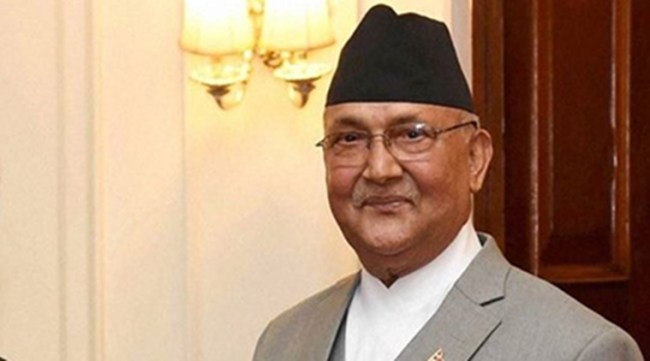 Nepal Opposition leader KP Sharma Oli. (PTI File Photo)


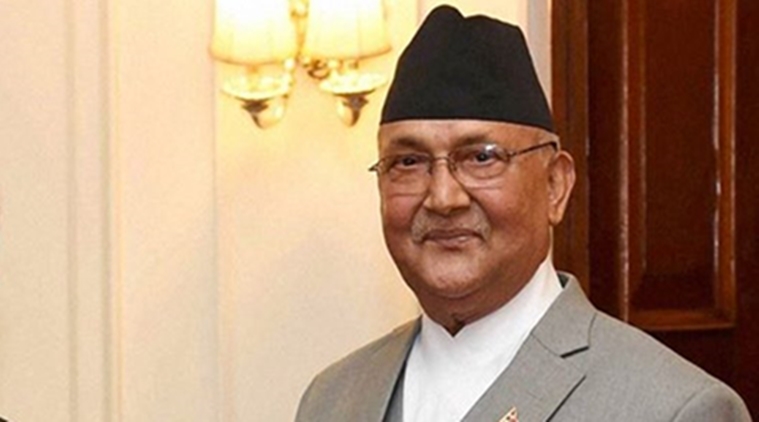 Prime Minister of Nepal KP Sharma Oli at Rashtrapati Bhavan in New Delhi. (File PTI Photo by Atul Yadav)
A coalition government is normally formed on the basis of a common minimum programme and conditions agreed upon by the constituents. However, the right to defy or oppose the Constitution is not something that the coalition partners are granted.
On this count, Nepal stands out as an exception with at least three key constituents and two Deputy Prime Ministers taking the liberty to oppose the fundamental identity of the Constitution. Deputy Prime Minister and Foreign Affairs Ministry Kamal Thapa who is also the chairman of the Rastriya Prajatantra Party-Nepal (RPPN), the fourth largest in Parliament, never misses an opportunity to assert that he is opposed to Republicanism, secularism and federalism. He also says that if and when his party secures a two-third majority in the House, it will transform Nepal into a Vaidic Sanatani Kingdom (constitutional Monarchy) with a unitary but decentralized administrative set-up.

Chitra Bahadur K C, another Deputy Prime Minister, is opposed to federalism and asserts that Nepal’s switch to federalism will jeopardize the country’s unity and integrity. Yet another party—the Rastriya Prajatantra Party (RPP) – advocating a Hindu Nepal also has two representatives in the 49-member council of ministers.
This is an issue that the opposition has been raising continuously ever since, pushing Prime Minister Oli into the defensive. “How can you allow people clearly opposed to the Constitution to continue in your cabinet?” asked Ram Hari Khatiwada, a vocal parliamentarian from the main opposition Nepali Congress Party, the Prime Minister last week.
The Prime Minister is not alone in facing an awkward situation, The RPP-N has already suffered some internal problem with members asking whether they should follow the party’s political line that gave them the fourth largest position in the House or adhere to a Constitution that contradicts the party line.
The Prime Minister’s predicament is understandable: he needs the numbers in Parliament to retain power, but at what cost?

 Share
Share


