
Opinion Sorry, Chandigarh
PM Narendra Modi sends out a heartening message by expressing regret at the inconvenience caused to the aam aadmi by his visit.
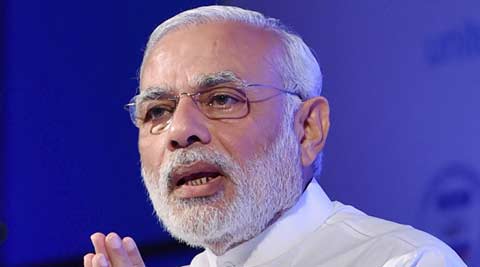


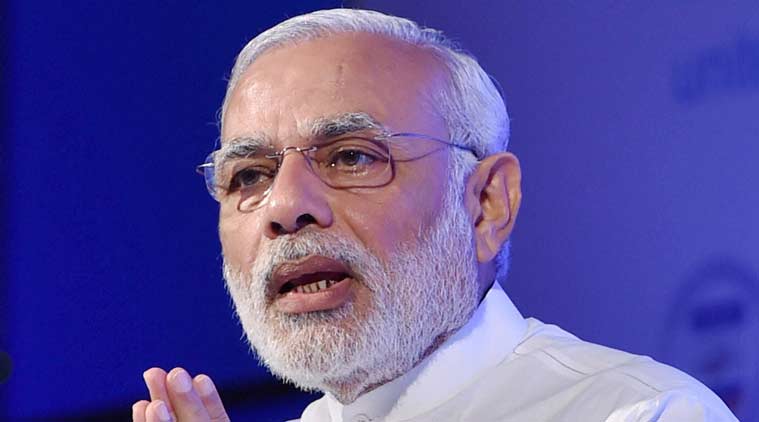 Prime Minister Narendra Modi
Chandigarh experienced a near-shutdown on Friday, when Prime Minister Narendra Modi arrived in the city for a series of functions. Schools and colleges were given a holiday and examinations cancelled. Even the dead were not spared, as the administration booked the parking lot of a crematorium for the rallyists and directed bereaved families to go elsewhere. Police detained opposition Congress MLAs who had threatened to protest the PM’s visit and imposed Section 144, usually invoked to maintain public order in disturbed areas. The bandobast was so severe that the PM was provoked to express his disapproval and tweet his regret for the inconvenience his visit caused to the citizens of Chandigarh.
[related-post]

The PM’s gesture is enormously welcome. It should nudge the administration — in Chandigarh and elsewhere — to rethink and review its approach to VIP security. Over the years, courts have issued directives to check the privileging of a class of people in the name of security. Guidelines are in place to prevent the unwarranted deployment of security personnel. Yet, few things seem to change in states like Punjab, where disproportionate attention and resources are spent on legislators and public functionaries. Punjab tops the list of VIP protectees in the country with thrice the number of Delhi, which ranks second. An average of three police personnel guard a VIP in Punjab, whereas the state has just one policeman for 355 citizens. Entitlement to VIP security in the state extends to retired public officials and even industrialists. The extraordinary attention given to the personal security of public officials is a legacy of the state’s terror-stricken past, but it has now become part of its political culture.
It is a good sign that citizens are increasingly becoming intolerant of the VIP culture of privilege and entitlement. In fact, Narendra Modi, the politician, had astutely seized this discontent. In the run-up to the general election, in his prime ministrial campaign, he had projected himself as an outsider to Delhi’s entrenched elites and as the challenger to their imperious and haughty ways. He spoke of the prime minister as the “pradhan sevak”. In Delhi, Arvind Kejriwal also constructed a new anti-establishment politics around the idea of the “aam aadmi”. The VIP culture is a reminder of a colonial and feudal order that is at odds with democracy. That’s the message underlined by the PM’s tweet to Chandigarh.
 Share
Share


