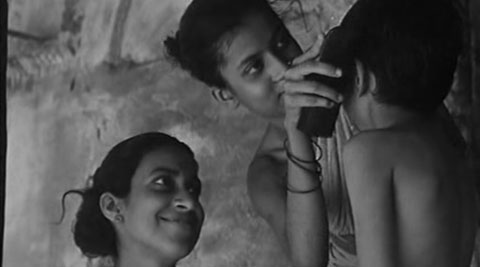

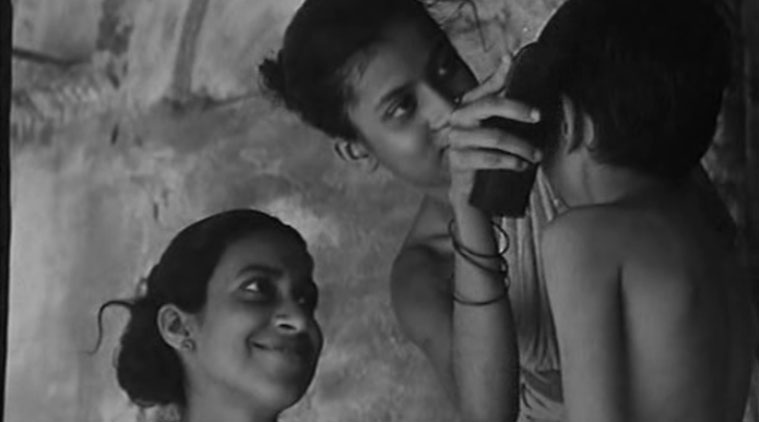
Pather Panchali, which recommended Indian cinema to the world’s attention and elevated Satyajit Ray to the level of early influences like Vittorio De Sica and Jean Renoir, is now a senior citizen of the film world. At 60, the classic is old enough to have not only inspired a body of documentary and critical work on itself, but even a film on the child actor who played its protagonist. Apur Panchali, which flits like a dragonfly between documentary and fiction, traces the life of Subir Banerjee, the child from Ray’s neighbourhood who played the pivotal role of Apu, the axis of the trilogy of Pather Panchali, Aparajito and Apur Sansar. Banerjee never acted again. He became a mill-worker when he grew up, and lived a life remote from the arts.
Pather Panchali invented new ways of seeing and showing that remain characteristic of Ray’s work. It used music not only to entertain but, along with silence and heightened ambient sound, to convey meaning. And it demonstrated the intensity and unity of vision that a polymath director could bring to cinema. Ray wrote the script from Bibhutibhushan Bandyopadhyay’s story (he found the dialogue cinematically excellent), drew the storyboard, composed the score, designed costumes and settings, filmed and edited. Often, Ray even did the credits with his own hand. Though the finest creative talents worked on his films, they were marked by the imprint of a singular vision.


