

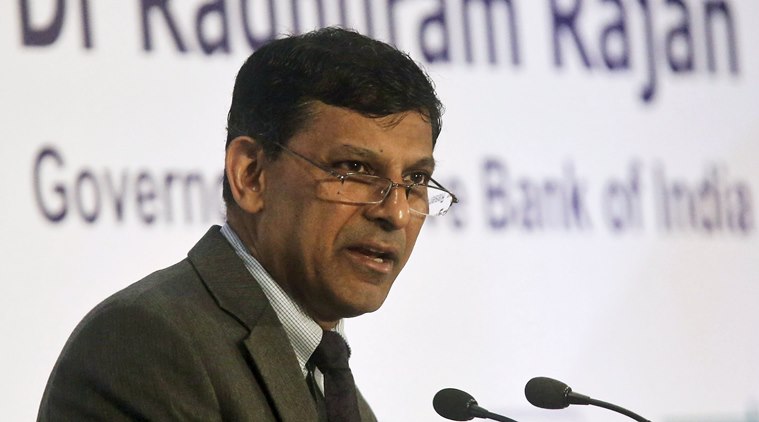
Even as PM Narendra Modi exhorted India Inc at his recent meeting to take more risks and invest in the economy, the overwhelming demand from industry leaders was for sector-specific sops. Over the weekend, RBI governor Raghuram Rajan attempted to blunt this tendency for jugaad, or quick-fixes. The government would do well to pay heed to Rajan’s call for institutional reforms when the fall in global commodity prices, especially oil, has afforded it an opportunity to implement them at relatively low cost. India is a far more open economy now than before 1991, but it has yet to reap the full benefits of a free market system that properly enables vibrant entrepreneurship. India’s ranking (142 out of 189) in the Ease of Doing Business index, for instance, points to this. The reason, as Rajan highlighted, is the lack of adequate institutional reform. In the banking sector, which Rajan oversees, access to formal finance has stagnated at a low level. However, the latest efforts at introducing differentiated banks, as well as the expansion of the Jan Dhan Yojana, are attempts at improving access for the unbanked. Similar structural changes are needed in other sectors of the economy.
The absence of such reform will set the Indian economy up for a prolonged phase of modest, at best, growth. Brazil, not too dissimilar to India, provides a cautionary tale. Like in India, the Brazilian government had committed itself to substantial social welfare expenditure. However, concomitant institutional reforms to improve competitiveness of the economy were not undertaken. Over the last few years, Brazil has resorted to tax breaks and other sops to support its domestic industry, which is reeling from the impact of a sharp fall in global demand. But this was too little, too late. From a growth rate of 7.6 per cent in 2010, Brazil’s economy is now expected to contract by 3 per cent this year.


