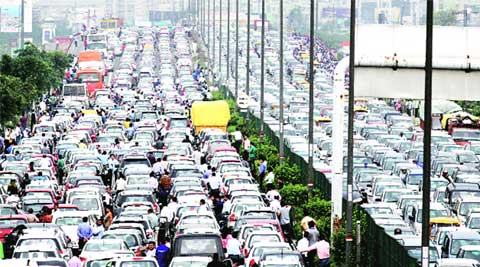


A chain reaction in favour of better air and fewer cars is spreading among some of India’s most congested urban areas. Earlier this summer, Cyberabad set it rolling by banning automobiles from some corridors on Thursdays. Starting this week, Gurgaon has made Tuesdays inauspicious for cars.
Delhi, not half as daring, has committed to make one traffic corridor of the city car-free for one day every month, starting October 22. These are tentative beginnings, but essential for a country that plans to improve public health and quality of life very rapidly. And clean air and de-congested roads are useful for attracting foreign investment: It isn’t only capital which flows in. People move along with money, and they demand a healthy life.


Having survived governments that have been at best apathetic to urban existential threats, it is refreshing to see administrations taking an interest in de-congesting cities and cleaning up the air. The invisible rural poor are no longer the biggest victims of pollution. It is now the urban middle class that feels threatened by its dependence on the internal combustion engine. It has recently discovered political agency, and that will make a difference to how India addresses pollution.
But progress depends on prior commitments, like expensive infrastructural improvements. While Gurgaon had roped in shuttle buses and increased the frequency of the Metro on Tuesday, and the police commissioner cycled comfortably to work, many habitual cyclists did not really have access to usable cycle lanes. Middle-class India is tired of slowly choking in endless traffic.
It is ready to welcome change, and governments need to only reassure this segment that it can give up the old ways without suffering hardship. Safe and reliable public transport, and usable paths for walking and cycling, may be the only catalyst needed. Smart city planners should take cues from Cyberabad, Gurgaon and Delhi.


