
Earlier this week, officials of the Delhi Development Authority destroyed the summer crop on the Yamuna’s floodplains. The action was in line with a National Green Tribunal (NGT) directive banning agriculture on the riverbank and its floodplains. The NGT’s argument was based on two premises. One, pesticides and fertilisers used by farmers are polluting the river. Two, the flow of untreated sewage and industrial effluents has poisoned the river so much that any produce from the floodplains is unfit for consumption. Hence, it wanted agricultural activity along the river to be restricted to floriculture and silviculture.
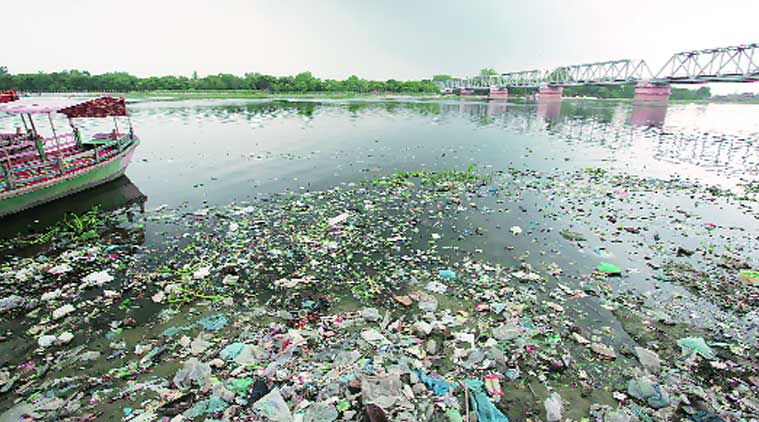
The NGT has a point, but the contribution of agriculture to the Yamuna’s dismal state is marginal. The real problem is ill-planned urbanisation. For instance, Delhi generates 36 million tonnes of sewage, and 50 per cent of it flows untreated into the river. The 22-km stretch of the river through the city — two per cent of its total length — contributes 80 per cent of its pollution load. Successive governments have flouted environmental norms to build or facilitate projects — the Akshardham temple and the Commonwealth Games Village being prime examples — on the floodplains, endangering the river’s course and its acquifiers. Over Rs 1,500 crore has already been spent as part of the Yamuna Action Plan to revive the river with little to show for it. Recently, the NGT laid down a roadmap to clean up the Yamuna and proposed sewage treatment plants for drains and common effluent treatment plants at industrial clusters, besides regular clearing of stormwater drains and periodic dredging of the river. These are important measures, but the government must also ensure that the river flows in the lean months. Excessive damming and barrages in the upper stretches have drastically reduced water in the river, except in the monsoon season. The natural flow could cleanse the river by diluting the pollutants flowing into it. At present, the Yamuna runs dry for up to nine months in Delhi, and much of what seems to be water in the river is the city’s untreated sewage.


