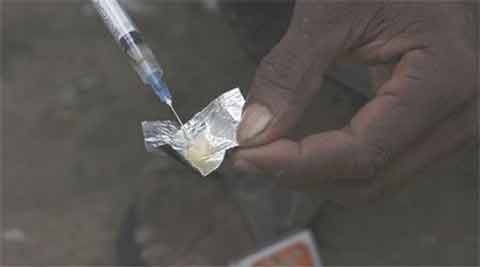


In what constitutes a breathtakingly obdurate and insensitive attempt at police work, Punjab’s cops have reportedly been asking the state’s deaddiction centres to hand over data on patients. Apparently, the police wants such centres to release details such as names, addresses and telephone numbers. Perhaps the police believe that speaking to addicts can help them trace the dealers and suppliers of the drugs, so action can be taken against them. But they must also be aware that their demands represent a substantial overreach of authority, and could be actively harmful. If rehabilitation centres were to divulge this information, it would not just constitute a massive breach of privacy, it would also undermine trust in these places, thus endangering these programmes in a state that sorely needs them.
That Punjab has a drug problem has been acknowledged by everyone from Congress vice president Rahul Gandhi — who made an uncorroborated claim that seven out of 10 young Punjabis are drug addicts back in 2012 — to Prime Minister Narendra Modi, who devoted a Mann ki Baat to the topic, exhorting young men, especially, to say no to drugs. But there is little accurate statistical evidence on how pervasive the problem really is, and which demographic groups it affects most. The scale of the problem can be extrapolated from the number of inmates in Punjab’s jails locked up on drug-related charges (28,000 against a capacity of 18,000), and the fact that Punjab routinely tops the National Crime Records Bureau’s state-wise list of narcotics cases.


