

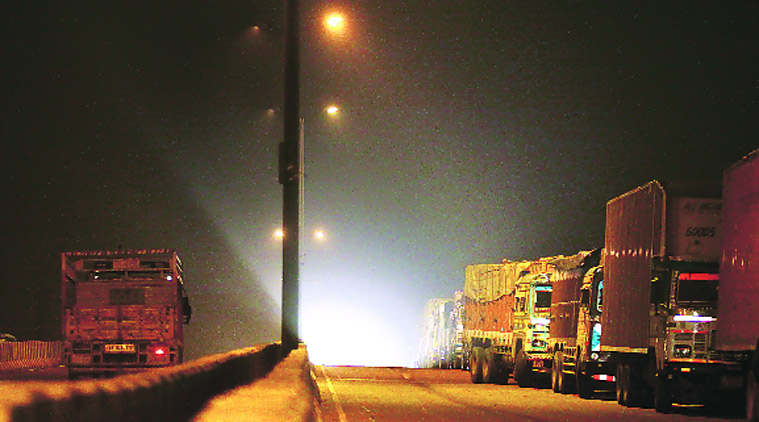
Prodded into action by Delhi’s worsening air quality and pollution, the Supreme Court last week approved the imposition of a green tax on commercial vehicles entering the city. A bench led by Chief Justice of India H.L. Dattu modified the National Green Tribunal’s October 7 order, which had proposed that this “environmental compensation charge” be levied on top of the municipal tax paid by such vehicles. But while the courts have been at the vanguard of the movement to reduce pollution and nudge the government into taking action to improve environmental indicators, the raising of new taxes by the judiciary runs the risk of trespassing into the executive’s turf.


Central and state governments have failed to mount an adequate response. Back in April, when concern over ambient air quality in Indian cities was at its peak, Prime Minister Narendra Modi launched a national air quality index. Yet, little appears to have happened since. The courts have previously filled the vacuum when dithering governments failed to discharge their duty. But taxation is not a judicial power, and the courts should explore other means of compelling the government to act.


