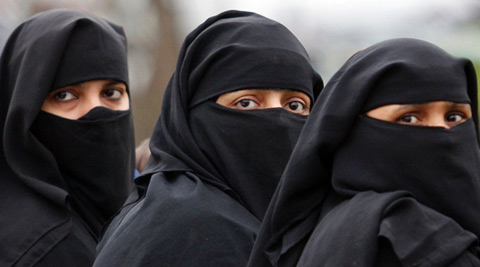

The 284 municipal councils in Saudi Arabia going to the polls on December 12 are restricted to overseeing streets, public gardens and garbage disposal. Women are being allowed to vote and contest these elections for the first time, in keeping with the promise made by the late King Abdullah. As evidence of the glacial pace at which reform moves in ultra-conservative societies, this is stark enough. Yet, the very perception of movement can be read as proof of progress. After introducing the municipal polls in 2005, Abdullah had appointed women to the Kingdom’s Shura Council in 2013. King Salman has stuck to this modest path of reform.
Although there are 900 women contestants among the 7,000-odd candidates, they haven’t found it easy to campaign. A woman candidate is prohibited from holding rallies attended by men and only a spokesman can communicate on her behalf with male voters. As a result, many women moved their campaigns to social media. But the authorities, late on Saturday, informed one of the more active campaigners, Nassima al-Sadah, that her name had been removed from the list, without apparently explaining why. Another candidate, Loujain Hathloul, who had been detained when she tried to drive into Saudi Arabia from the UAE last December, has also been disqualified.


