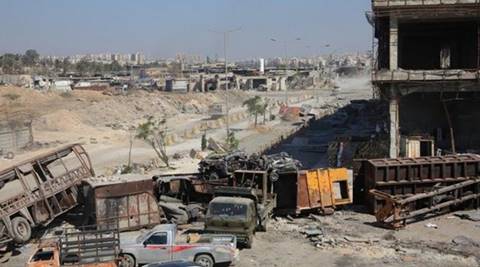

From Tuesday morning, Eid-ul-Adha, Syria will get one more chance at peace. The Russia-United States deal signed last week seeks to impose a limited ceasefire, opening the way for a dialogue between the actors the two great powers have been supporting. The detailed protocols, which both sides have agreed to, will not be made public. From leaked early drafts of the discussions, though, the broad contours of the deal are known. In essence, Russian and Syrian forces will cease air attacks on areas where anti-government insurgents are located — other than the al Qaeda affiliated Jabhat al-Nusra, now rebranded Jabhat Fateh al-Sham, and the Islamic State. Given that the battlefield is fluid, Russia may use its airpower “outside of designated areas if Nusra acquires territory there”, and, in consultation with the United States. In the event that there is a reduction in violence, Russia and the United States will set up a Joint Implementation Centre in Amman, Jordan, to chart a future course.
The fate of the deal will rest on events on two slivers of territory in bitterly-contested Aleppo. First, insurgents and the government will have to maintain the critical Castello road route as a demilitarised zone, open to all parties. Further, insurgents must hold back their al-Nusra partners from attacking the Ramouseh Gap, another key sliver of territory that offers access to Aleppo from the south-west — and has changed hands three times in recent weeks. No one knows just how this will work in practice. Ahrar al-Sham, among the largest Islamist groups in the rebels, has criticised the agreement for “singling out” al-Nusra, but stopped short of rejecting the ceasefire. The United States, for its part, has warned the insurgents of “dire consequences” if they cooperate with al-Nusra.


