

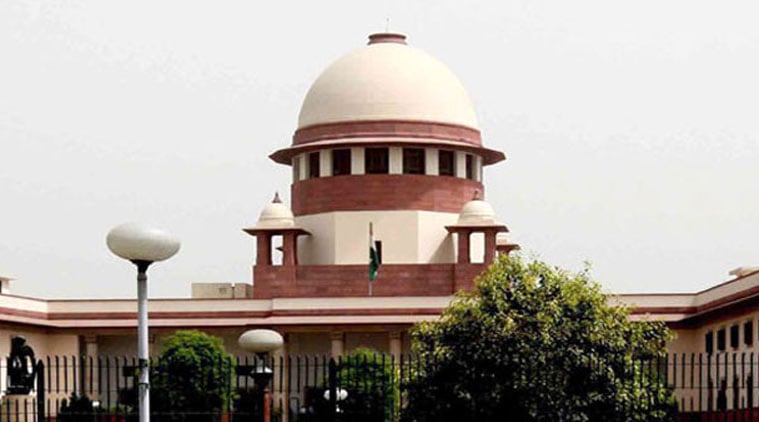
The Supreme Court’s decision to term attempts at “mediation” between a rape victim and the person accused or convicted of the crime a “spectacular error” is a welcome corrective to the appalling insensitivity displayed by, say, the Madras High Court two weeks ago, which ordered a round of mediation between a woman who was raped and then became pregnant a decade ago and her rapist, apparently because such “disputes” could be resolved with there being “no victor, no vanquished”. In a context where a rape victim’s ostensibly besmirched honour can only be redeemed if a man marries her, even if that man is the one responsible for the loss of said honour in the first place, the Supreme Court’s unambiguous recognition that this sort of intervention is “thoroughly and completely sans legal permissibility” is some kind of victory.
But the language of the judgment is trapped in, and perpetuates, patriarchal notions of dignity and honour, where both are bound up in a woman’s sexuality and her body — a body “which is her own temple”, according to the bench of Justices Dipak Misra and P.C. Pant. They speak of how reputation is “the richest jewel one can conceive of in life” and how this “purest treasure” is lost when a woman is raped. There can be no compromise or settlement with her rapist because it would be “against her honour”, which is “sacrosanct”.


When the well-meaning justices observe rapes to be offences that “suffocate the breath of life and sully the reputation”, they are denying women the full range of rights offered to them by the Constitution. It denies them personhood in the most fundamental way because it subtextually reduces them to property. Rape means that a woman is deprived of her sovereign right over her own body, but a patriarchy bolstered by the use of clauses such as these sees it as a violation only of the socially authorised form of male control over her body’s sexual and reproductive functions — not of her bodily integrity itself. The legal judgment implicitly connoted a cultural judgement that regards raped women as dirty, impure, as damaged goods. If her reputation is “sacrosanct”, it can only exacerbate the feeling of contamination and desecration a rape survivor might feel as a consequence of being the victim of such an extreme act of subjugation.
Rape is horrible. But the only person who loses honour in its commission is the perpetrator.
yamini.lohia@expressindia.com


