Journalism of Courage
 4 min read



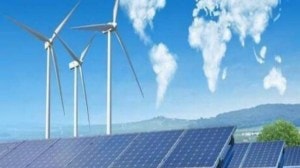
The Economist September 8-14 takes into account nuclear energy8217;s new appeal. Countries like France already get three-quarters of their electricity from nuclear sources, but most others are only now hastening work on nuclear installations for considerations of environment and energy security. It also helps that the possibility of Chernobyl-like accidents may have gone down: 8220;New 8216;passive safety8217; features can shut a reactor down in an emergency without the need for human intervention. Handling waste may get easier. America plans to embrace a new approach in which the most radioactive portion of the waste from conventional nuclear power stations is isolated and burned in 8216;fast8217; reactors.8221; The economics have been made more lucrative by technology and the rising prices of carbon fuels and uncertainties in securing supplies. But the environmental benefits of nuclear energy still don8217;t show up on the economic ledger, 8220;since fossil-fuel power generation does not pay for the environmental damage it does. But it is also because nuclear combines huge fixed costs with political risk. Companies fear that, after they have invested billions in a plant, the political tide will turn once more and bankrupt them. Investors therefore remain nervous.8221; But, the leader argues that government should not rush to subsidise nuclear power: 8220;Nuclear and other clean energy sources do indeed deserve a hand from governments 8212; but through a carbon tax which reflects the benefits of clean energy, not through subsidies to cover political risk. Exposure to public nervousness is a cost of doing business in the nuclear industry, just as exposure to volatile prices is a cost in the gas industry.8221;
Time September 17 takes stock of the recent street protests in Myanmar: 8220;The big question is whether these scattered demonstrations will lead to a replay of Myanmar8217;s version of Tiananmen, when a nation confronted its brutal military rulers only to be crushed by an iron fist. Certainly, there are similarities between today8217;s protest movement and that of 1988. Although the previous strikes are now glossed with a patina of democratic yearning, their initial motivation was also economic. Back then, the military regime demonetised the local currency, rendering millions of people8217;s savings worthless. Small groups began marching over a six-month period, a stop-start effort that culminated in August 1988 with tens of thousands of people thronging Rangoon8217;s streets. But the military quickly sent bullets into the crowds. By 1990, elections won by future Nobel laureate Aung San Suu Kyi8217;s National League for Democracy had been ignored by the junta. Myanmar slunk back into isolation. This time around, the world, galvanised by blow-by-blow images transmitted via cell phones and through the Internet, has taken rapid notice of the protests and the subsequent crackdown.8221; The regime has also finalised guidelines for a new constitution, which observers say has provisions aimed specifically to Suu Kyi away from power.
Vanity Fair 8216;Going after Gore8217;, October inquires whether it was the liberal American media that kept Al Gore away from power in the 2000 presidential elections. Through interviews with the Gore family, the investigation shows how his statements were misrepresented, thereby showing him to be given to wild boasts: on, for instance, inventing the Internet and being the model for Erich Segal8217;s Love Story.
In The New Yorker September 3/10, David Remnick tries to make sense of the controversy surrounding an online article on the 8220;Israel lobby8221; in the US.