Journalism of Courage
 3 min read


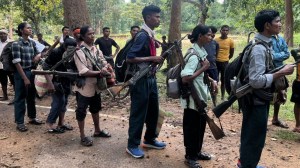
Sporadic warfare has raged for six years between Yemens central government and the rebellious tribesmen in the mountainous north,known as Houthis. Now,in the sixth month of the bloodiest round yet,the two sides appear to be exchanging not just rockets and bullets but charges that the other is blocking a truce.
A halt to the fighting cannot come soon enough for the estimated 250,000 refugees driven from their homes,nor for aid-giving foreign governments that would prefer Yemens crisis-plagued government to focus on fighting al-Qaeda terrorists. The Houthis,a tribal movement demanding regional autonomy and greater respect for Yemens Zaydi Shia minority,late last month said they would meet five demands made by President Ali Abdullah Salehs government,which then apparently added a sixth one,that the Houthis should desist from attacking Saudi Arabia,Yemens rich and powerful neighbour to the north.
The Saudis had been drawn into the fighting in October after Houthi guerrillas attacked along the border. Subsequent clashes left some 80 Saudi soldiers dead,prompting the Saudi air force to join Yemens in raiding Houthi-controlled areas. The Saudis said in January that they had expelled all Houthi forces but have continued to bomb them. The Houthis say they withdrew voluntarily,and responded to Mr Salehs sixth condition with an offer to exchange prisoners with the Saudis.
Yemeni military spokesmen now say the fighting will not stop until the Houthis meet the truce terms by opening roads and removing mines. In any event,the rebels are unlikely voluntarily to lay down arms in a country where bearing them is considered a matter of honour and government control has always been weak.
Yet the cost of the war in the north has been ruinous at a time when Yemen faces a resurgent threat from al-Qaeda elsewhere in the country,unrest in the once-independent south and other chronic problems such as poverty,rapid population growth and a severe water shortage. Not surprisingly Mr Saleh,in power since 1978,faces calls from Arab and Western countries to start economic and administrative reforms before a planned aid conference in Riyadh,the Saudi capital,later this month. Given the scale and variety of Yemens woes,it is hard to see what he can achieve in so short a time. Besides,the Houthis,it seems,are not yet beaten.