Journalism of Courage
 2 min read



Seminar on 8216;Intelligent 038; Sustainable Buildings8217; held
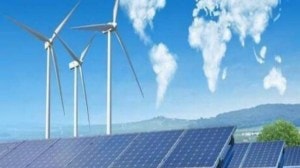
Imagine a house where the first rays of the sun light up the rooms, minimal need for air-conditioning and greenery all around 8212; welcome to the Age of Sustainable Housing.
8220;A building should be constructed in a manner that it does not face west. This will help reduce the load on air-conditioning,8221; said Professor Sohan Lal from Chandigarh College of Architecture.
He was talking on the sidelines of a seminar on 8216;Intelligent and Sustainable Buildings8217; organised by the Bureau of Indian Standards on Tuesday.
8220;Making use of natural elements in houses is a technique that our ancestors used in abundance and with success. However, over the years we seem to have forgotten much of it,8221; added Lal.
According to the professor, there are active and passive elements in a building. While the passive include elements that cannot be changed like the shape of a building, active elements are those which can be adjusted as per needs.
For example, in case of a circular room the amount of light required is less. Therefore, by making optimum use of glass, low-intensity lights can be used.
8220;The sun and wind are two important elements that take care of the thermal environment of a building. These need to be tapped in order to avoid mechanical heating and cooling,8221; added Lal.
Architect Sangeet Sharma said: 8220;Provisions for natural ventilation should be made while designing buildings. The materials used in construction should be eco-friendly and recyclable. A range of such products are available in the market.8221;
Intelligent buildings
Construction of houses that can sense the presence of people and adjust the lights as well as air-conditioning accordingly is fast-catching on, say architects. The lights turn off automatically if there is no one in the room. Some have lux sensors near windows to keep a track of sunlight. When the sunlight reduces, bulbs in the room are lit automatically.