Journalism of Courage
 2 min read



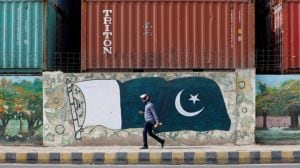
It was not a sight easy to come by in the subcontinental context: the green flags of Pakistan bearing the crescent and star being waved along with the Indian tricolour 8212; not as hostile counterpoints but as batons in a spectator8217;s symphony. There was even the amazing sight of the two flags being stitched together and raised in unison. At the end of that thrilling one-day match at Karachi, it wasn8217;t who won that was important but whether the cricket watching, cricket crazy crowds, who had packed the stadium like a sardines, felt that they 8212; and they game they clearly adored 8212; had won.
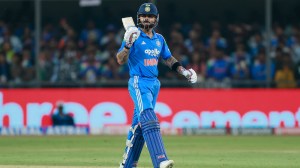
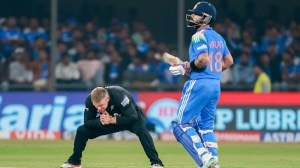
Going by the evidence, that was indeed the case. That huge crowd of over 30,000, as they applauded the Indian victory, demonstrated an ability to go beyond barbed wired borders and troubled histories. The people at Karachi8217;s National Stadium 8212; they may have been from Peshawar or Patna, Kolkata or Karachi, certainly the majority from Karachi 8212; seemed to have sensed that they were witness to a unique moment in subcontinental history; that they were making that history even by their presence and their response. Just two short years ago, their armies numbering a million men and representing two nuclear states had stood at eyeball-to-eyeball confrontation. Now, instead, all eyeballs were focused on that battle between ball and bat on a 22-yard pitch. Perhaps you should see it as part of the glorious uncertainties of cricket! So unusual was this transformation, that the world could not help but wonder. Australia was speaking for many nations when it remarked in an official statement on the resumption of cricketing ties, 8220;We warmly welcome the recent relaxation of tension between the two countries and encourage them to carry forward their commitment to the peace process.8221;
These are early days, no doubt about it. The tour has only just begun. But going by that great start at Karachi, we can echo Saurav Ganguly8217;s optimism and proclaim: 8220;It8217;s going to be a good series.8221;