3 min read

Journalism of Courage




MUMBAI, Oct 26: The Maharashtra Pre-Primary Centres Regulation of Admission Act, 1996 will make a comeback, with some changes. This was disclosed by School Education Secretary Ramesh Chandra Kanade on Monday.
Kanade was speaking at the three-day 29th Biennial Conference on Strategies for Effective Early Childhood Education presented by Indian Association for Pre-School Education IAPE in association with the SNDT University. The Pre-Primary Act was suspended following objections raised by some minority-run school managements.
The suspended Act came under attack by prominent educationists too. In his keynote address, Dr Anil Sadgopal, head of faculty of education, Delhi University, flayed the eighty per cent ceiling on the neighbourhood clause of the Act. This goes against the National Education Policy NEP. The neighbourhood concept is a harbinger to the growth of solidarity among the Indian people, he said.
Criticising the just concluded national meeting of state education ministers in New Delhi,the faculty chief said the national agenda did not make even a passing reference to early childhood care and education ECCE. 8220;Worse, the Ninth Plan document has no mention of 0-3 age group unlike the earlier plans,8221; he added.
Charging the Centre with acting at the behest of International Monetary Fund and World Bank ever since it has introduced the New Economic Policy in 1991, he said, the Parliament has turned a Nelson8217;s eye towards the implementation of the provisions of New Education Policy.
Consequently the Constitution8217;s commitment to ensuring eight years of elementary education to all children has been reduced to five years of primary education, education has been substituted by literacy and ECCE continues to be de-linked from primary school structure among others, he observed.
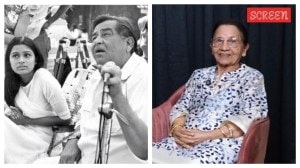
Mina Swaminathan, national president, IAPE, stated that state has hardly covered two crore children while another two crore children have been covered by private initiatives under ECCE. The highlight of the seminar wasa call to cover all the 16 crore children under ECCE programmes.
Charging the Centre of ignoring its social welfare responsibilities, Dr Sadgopal asked,8220;Why was Article 45 of the constitution has been consistently misread by the policy makers to exclude 0-6 age group from the goal of free and compulsory education for all children until they complete the age of 14?8221;
The Vice-Chancellor of SNDT university, Dr M Varghese urged a holistic approach to ECCE by including aspects like health and nutrition also. Some delegates also stressed the need for regulation of salaries paid to pre-primary teachers and other incentives.