4 min read
📣 For more lifestyle news, click here to join our WhatsApp Channel and also follow us on Instagram
© IE Online Media Services Pvt Ltd



 Wamiqa Gabbi talks about going vegan (Source: Instagram/@wamiqagabbi)
Did you know that Wamiqa Gabbi is almost vegan? In a conversation with Mashable India, the Khufiya actor shared that she started following a vegan diet a few years ago, but certain things keep her from going all in. “I’ll say I’m almost 99% vegan,” she told the interviewer, while her co-actor Rajkummar Rao chipped in, “toothpaste mein milk hai.” Agreeing, Wamiqa added that shampoo is a culprit, too, and elaborated that her reasons for turning vegan are less about health and more about preventing animal cruelty.
Revealing why she hasn’t been able to go fully vegan, the actor said, “Sometimes, some dishes are served with a cheesy dip. I never order them by myself, I even tell my manager not to order anything like that, but if it’s brought in front of me, I get a taste of it.”
Amreen Sheikh, chief dietitian at KIMS Hospitals in Thane, explained that a vegan diet strictly avoids all animal-derived foods. Not just meat, eggs and fish, you are also expected to give up dairy, honey, and any hidden animal ingredients. “The diet is entirely plant-based and relies on fruits, vegetables, grains, legumes, nuts, and seeds. People often choose it for health, ethical, or environmental reasons,” she told indianexpress.com.
Listing the benefits, she said it helps lower saturated fat intake, boosts antioxidant intake, promotes fibre-rich foods that control appetite and support weight management, and, finally, is a gut-friendly diet that promotes healthy gut bacteria.
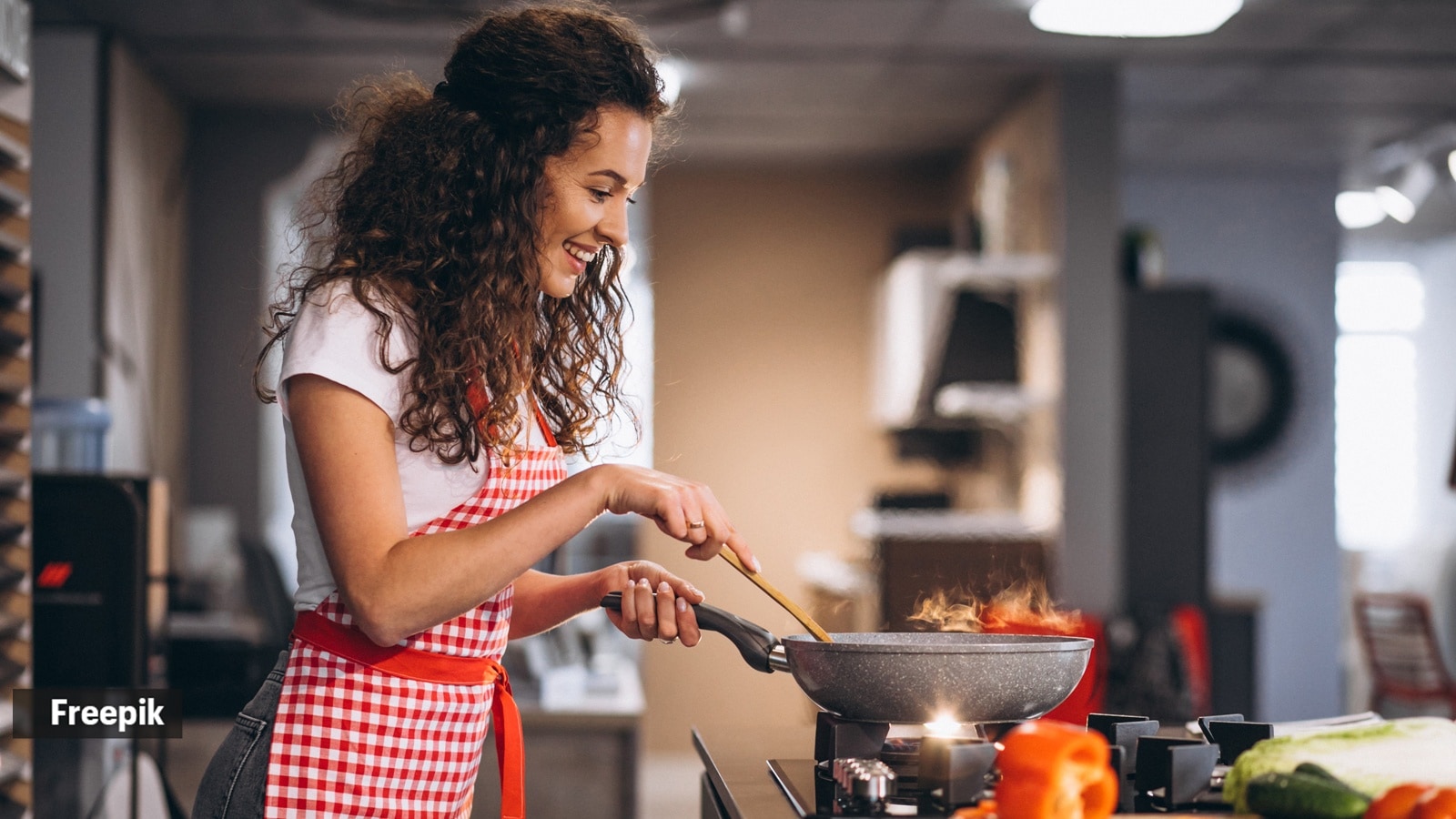 Anyone motivated by health, ethics, or the environment can try it, as long as they are willing to plan their meals. (Source: Freepik)
Going vegan without planning can lead to deficiencies in vitamin B12, vitamin D, calcium, iron, zinc, and omega-3 fatty acids —nutrients typically found in animal foods, according to Sheikh. “Some people may experience fatigue, hair loss, or weakened immunity if these gaps aren’t addressed. Supplements or fortified foods often become necessary,” added Sheikh.
Nutritionist Anjali Mukherjee added that most people who follow a vegan diet tend to eat a lot of carbs, which is not very good for Indians because we are prone to type 2 diabetes if we consume too many carbs. “Since veganism allows vegetarian foods and grains, people end up eating a lot of processed bread, pasta, and noodles, which is not necessarily healthy if you are a vegan,” the nutritionist said, adding that we should watch out for our consumption of such processed grains.
Highlighting that many pulses are recommended in a vegan diet, she said that some people do not respond well to pulses like rajma, chhole, and whole pulses. While these pulses are healthy, they do contain lectins – plant proteins that can cause leaky gut, increase gut permeability, and lead to autoimmune disease.
According to Sheikh, sustainability depends on access to a diverse range of plant foods and on individual health needs. “For example, children, pregnant women, athletes, and older adults may need extra care to meet their protein and micronutrient needs,” she pointed out.
It’s not about whether veganism is good or bad, but instead whether it’s balanced and practical for the individual. Anyone motivated by health, ethics, or the environment can try it, as long as they are willing to plan their meals, monitor their nutrient intake, and consult a dietitian when needed.
DISCLAIMER: This article is based on information from the public domain and/or the experts we spoke to. Always consult your health practitioner before starting any routine.