5 min read
📣 For more lifestyle news, click here to join our WhatsApp Channel and also follow us on Instagram
© IE Online Media Services Pvt Ltd



 This theory differs from the traditional 'brain-first' hypothesis (Source: Freepik)
A recent study has added weight to the hypothesis that Parkinson’s disease may actually originate in the gut, challenging the long-held belief that it begins in the brain.
Researchers have found that people with upper gastrointestinal conditions, such as ulcers and oesophageal damage, are more likely to develop Parkinson’s later in life. “A growing body of evidence suggests that, at least in a subset of individuals, Parkinson’s disease originates in the gut before affecting the central nervous system,” said corresponding author Trisha S. Pasricha, a neurogastroenterologist and director of Clinical Research at the Institute for Gut-Brain Research at Beth Israel Deaconess Medical Center (BIDMC).
She further told The Harvard Gazette, “Many people who get Parkinson’s disease experience GI symptoms like constipation and nausea for years — even decades — prior to developing motor symptoms like difficulty walking or tremors. Our lab has been trying to better illuminate this ‘gut-first’ pathway of Parkinson’s disease because it can open new avenues for early intervention and treatment strategies.”
This new perspective on Parkinson’s could reshape how we approach early detection and treatment of the disease. Understanding the connection between the gut and brain might lead to more effective strategies for managing symptoms and slowing disease progression. Dr Pranav Honnavara Srinivasan, consultant gastroenterologist at Fortis Hospital Bengaluru, shares his insights on this development.
The Harvard study provides compelling evidence for the ‘gut-first’ hypothesis of Parkinson’s disease. Dr Srinivasan explains, “Researchers found that misfolded alpha-synuclein proteins, which are key in Parkinson’s progression, can originate in the gut and travel to the brain via the vagus nerve. This supports the idea that the disease may begin in the gastrointestinal tract, where it can remain dormant before affecting the brain.”
This theory differs from the traditional ‘brain-first’ hypothesis, which suggests that Parkinson’s begins in the brain and eventually impacts other areas like the gut. The ‘gut-first’ theory is gaining support as many Parkinson’s patients report gastrointestinal issues — such as constipation — years before motor symptoms like tremors appear.
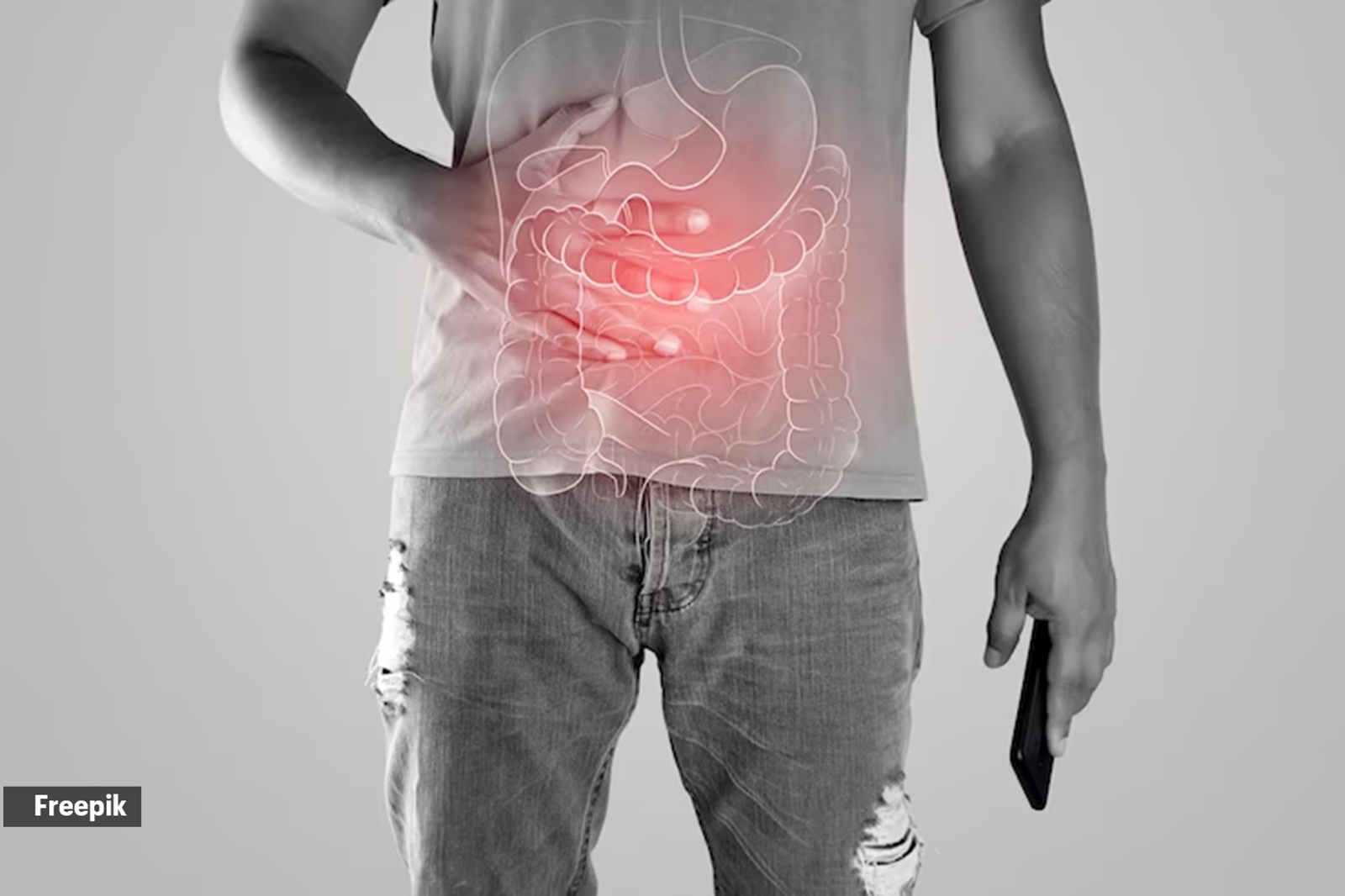 The Harvard study provides compelling evidence for the ‘gut-first’ hypothesis of Parkinson’s disease. (Source: Freepik)
Dr Srinivasan highlights the importance of gastrointestinal symptoms in early detection. “Gastrointestinal conditions like chronic constipation, ulcers, and oesophageal damage are now considered early warning signs of Parkinson’s. The Harvard study highlights how these conditions may reflect underlying problems with the enteric nervous system, where misfolded proteins could accumulate before spreading to the brain.”
He adds that patients with chronic gut issues may face an elevated risk of developing Parkinson’s. “Research suggests that symptoms like constipation can appear decades before motor dysfunction, offering a critical early window for diagnosis. Esophageal issues, such as difficulty swallowing or acid reflux, may also be linked to disruptions in the gut-brain communication, potentially serving as early markers of Parkinson’s.”
This new understanding of Parkinson’s origins could lead to significant changes in diagnosis and preventive care. Dr Srinivasan suggests, “Doctors could begin screening for gastrointestinal symptoms, particularly in people who are at higher risk, such as those with a family history of Parkinson’s or long-standing digestive issues.”
He further explains, “By identifying and monitoring individuals with chronic constipation or gut inflammation, early interventions might be developed to slow or prevent the disease from progressing to the brain.” This could also lead to changes in preventive care, where promoting gut health through diet, probiotics, and other interventions could become a key strategy for reducing Parkinson’s risk.
The focus on the gut-brain connection is opening up new avenues for treatment. Dr Srinivasan notes, “Emerging treatments are now focusing on the gut-brain axis as a potential intervention point for Parkinson’s. Probiotics and microbiome-modulating therapies are being explored to restore gut health, which may reduce the misfolding of proteins in the gut and slow the disease’s progression.”
He adds that anti-inflammatory treatments targeting the gut and therapies that modulate the vagus nerve are also being researched. While these treatments are still in experimental stages, early trials show promise.
Dr Srinivasan concludes, “This evolving research from Harvard and other institutions offers new hope for Parkinson’s patients by highlighting the gut’s critical role in the disease’s development. By addressing gastrointestinal symptoms early on, we may be able to significantly alter the course of the disease.”
DISCLAIMER: This article is based on information from the public domain and/or the experts we spoke to. Always consult your health practitioner before starting any routine.