


📣 For more lifestyle news, click here to join our WhatsApp Channel and also follow us on Instagram
Tags:


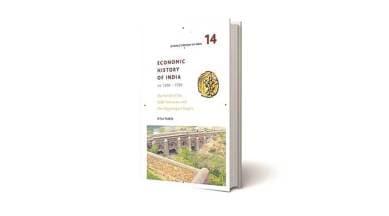
Quietly, very quietly and very industriously, the Aligarh Historians Society and Tulika Books are filling out the contours of the People’s History of India, which is, perhaps, the most ambitious exploration of the past accessible to the lay public. The most interesting volumes step away from the traditional high points. They concern economy, technology and the environment, rather than accounts of who begat whom and who smote or blinded whom.
The volume devoted to the economic history of India under the Delhi Sultanate and the Vijayanagara Empire offers a vastly entertaining spectrum, from the macro effects of the global silver crunch of the 14th and 15th centuries, to the extremely micro issue of the annual production of ghee in Delhi under the Sultanate — less than 250 kg from buffaloes and a very meagre 150 kg from cows. There is a section on the geographically variable price control and taxation policies under Allauddin Khalji, which was triggered by the need to keep standing forces near Delhi to hold off the Mongols. This is history as it was lived, nothing like the dry genealogies we were force-fed in school.


