Journalism of Courage



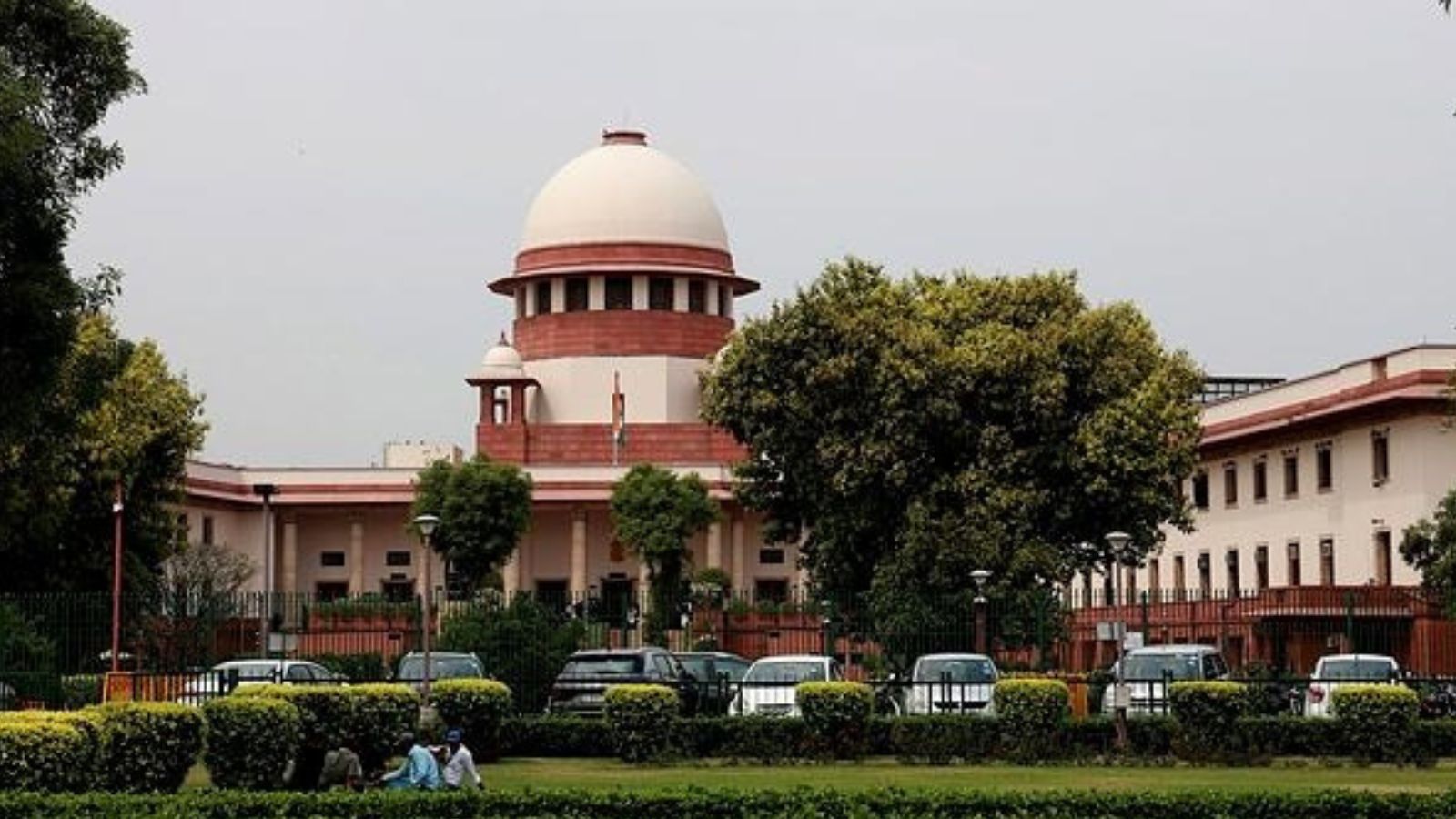 The bench presided by Chief Justice of India DY Chandrachud, also comprised Justices B R Gavai, Vikram Nath, Bela M Trivedi, Pankaj Mithal, Manoj Misra, and Satish Chandra Sharma. The bench is examining if the Chinnaiah judgment needs a relook.
Not allowing sub-classification of Scheduled Castes (SCs) will lead to a situation where the “advanced among” them “would grab all benefits”, a 7-judge Constitution bench of the Supreme Court observed Thursday, as it reserved its judgment on a reference that raises the question of sub-classification of SCs.
Senior advocate Manoj Swarup, appearing for the respondents in the matter, said the Scheduled Castes, as held by the SC in its 2004 judgment in E V Chinnaiah vs State of Andhra Pradesh, formed a homogenous group and hence there cannot be any sub-division among them.
He contended that the states have no power to make changes to the list of Scheduled Castes issued by the President under Article 341 and if any change was needed, only Parliament could do that.
The bench presided by Chief Justice of India DY Chandrachud, also comprised Justices B R Gavai, Vikram Nath, Bela M Trivedi, Pankaj Mithal, Manoj Misra, and Satish Chandra Sharma. The bench is examining if the Chinnaiah judgment needs a relook.
On Swarup’s submission, Justice Gavai said the question was not about identification but providing benefits to those identified.
He asked if one “can…deny the ground realities that in the (Presidential) list (of backward classes), blacksmiths are there and scavengers are also there. Did they face the same degree of discrimination when they were brought into the list? Were they (scavengers) not untouchables amongst the untouchables? Therefore recognising that, if the state decides to provide among that class, a preferential treatment, would Article 341 come in that way?”
Swarup said it would be barred by Article 341.
“Then it would perpetuate inequality amongst those classes,” said Justice Gavai.
He said, “After the SC 1976 ruling in ‘The state of Kerala vs N M Thomas’, it was held that even if Article 16(4) – it provides that the State can enact a law to reserve posts in favour of any backward class of citizens – was not there, still taking a queue from Articles 14 (right to equality) and 16(1), it could have made reservations. The purpose is to remove inequalities and bring equality. So, taking for example a particular caste in Maharashtra, for the last 75 years if they are taking reservations of 75-80% of the 13% available reservation and there are some caste which have a sizable representation but they do not have even one or two percent reservation so would it not amount to perpetuating inequality amongst those classes identified under Article 341?”

 3 min read