


Stay updated with the latest - Click here to follow us on Instagram
Tags:


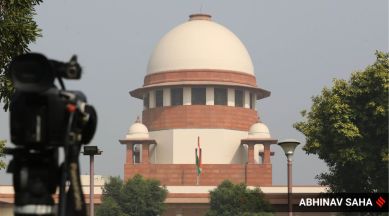
All conversions cannot be said to be illegal, the Supreme Court said on Tuesday while agreeing to hear the Madhya Pradesh government’s plea challenging a high court order restraining it from prosecuting interfaith couples who get married without informing the district magistrate.
A bench of Justices M R Shah and C T Ravikumar issued a notice on the matter and posted the matter for hearing on February 7.

Solicitor General Tushar Mehta sought a stay on the high court order, but the apex court refused to pass any direction.
Mehta said marriage is used for illegal conversions and “we cannot turn a blind eye” to this.
The high court, in an interim order, had directed the state government not to prosecute under Section 10 of the Madhya Pradesh Freedom of Religion Act (MPFRA) adults who solemnise the marriage of their own volition.
The high court on November 14 observed that Section 10, which makes it obligatory for a citizen desiring (religious) conversion to give a (prior) declaration in this regard to the district magistrate, is “in our opinion ex facie, unconstitutional in the teeth of aforesaid judgments of this court”.
The MPFRA forbids conversions by misrepresentation, allurement, use of threat of force, undue influence, coercion, marriage, or by any other fraudulent means.
The high court’s interim direction came on a bunch of seven petitions challenging provisions of the MPFRA 2021. The petitioners sought interim relief to restrain the state from prosecuting anyone under the Act.
The court had granted the state government three weeks to file its para-wise reply to the petitions and said the petitioners may file a rejoinder within 21 days thereafter.
Stay updated with the latest - Click here to follow us on Instagram


