


Stay updated with the latest - Click here to follow us on Instagram
Tags:


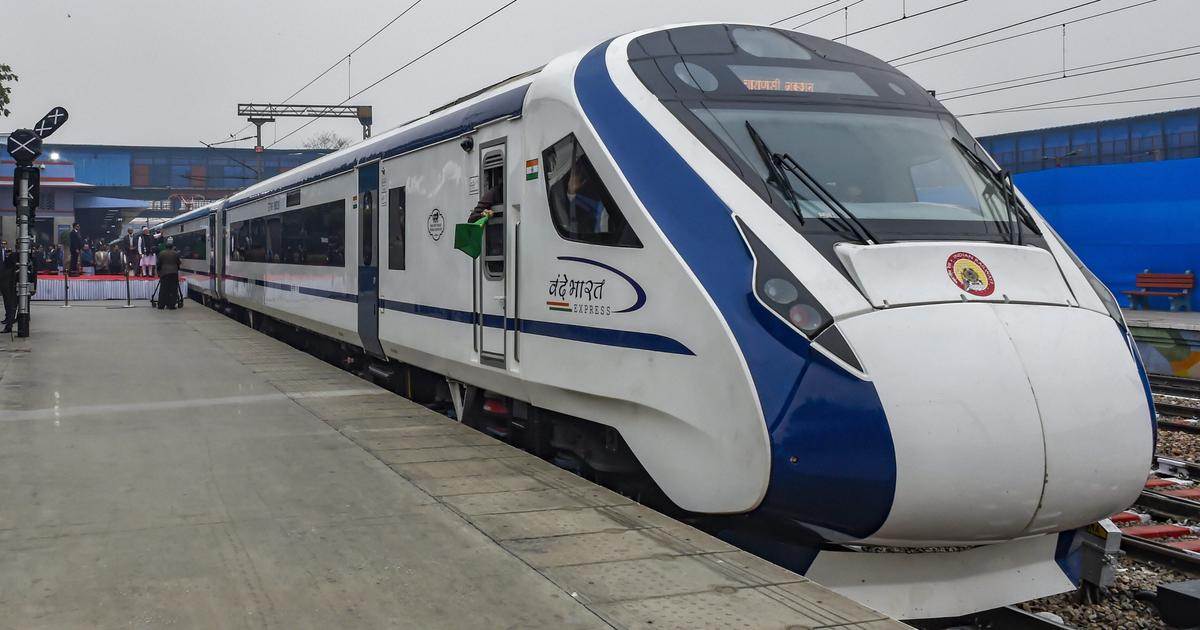
The Narendra Modi-led government has started its second term by laying out the blueprint for a substantial boost in India’s infrastructure. A key element of that is the upgrade of Indian Railways. However, during the Budget presentation, Finance Minister Nirmala Sitharaman accepted that the government did not have the fiscal space to make the kind of heavy investments that are required to modernise the Railways. As such, she proposed to use Public-Private Partnerships wherever possible.
In the days since, it is becoming clear that to begin with, the government will be inviting private companies to own and operate trains on select routes. This is one of the big ideas of the government’s “100-day plan” for the Railways that has been approved by the Prime Minister’s Office. Another significant initiative is to “corporatise” the seven production units that build coaches, engines, and wheels.


The question is: Will the private sector play ball? Neelkanth Mishra of Credit Suisse believes it will. “In infrastructure, the cost of laying the lines, the signalling systems, and electrification, etc. are the heavy investment part. Running the train is not as expensive a proposition. So if the returns are good, private companies would be willing to come forward,” he says. Kuljit Singh, Partner-Infrastructure at Ernst & Young, views the government’s decision to open up to private players as an “entry point”. “Start with a de-risked business model and keep passing on more and more risks [over time],” says Singh.
The powerful trade unions have raised concerns about the “privatisation” of the Railways, and its impact on their members. But Railway Minister Piyush Goyal has clarified that the government is only thinking of “corporatising” some units, and that “there is no question of privatisation”.


Stay updated with the latest - Click here to follow us on Instagram


