Journalism of Courage



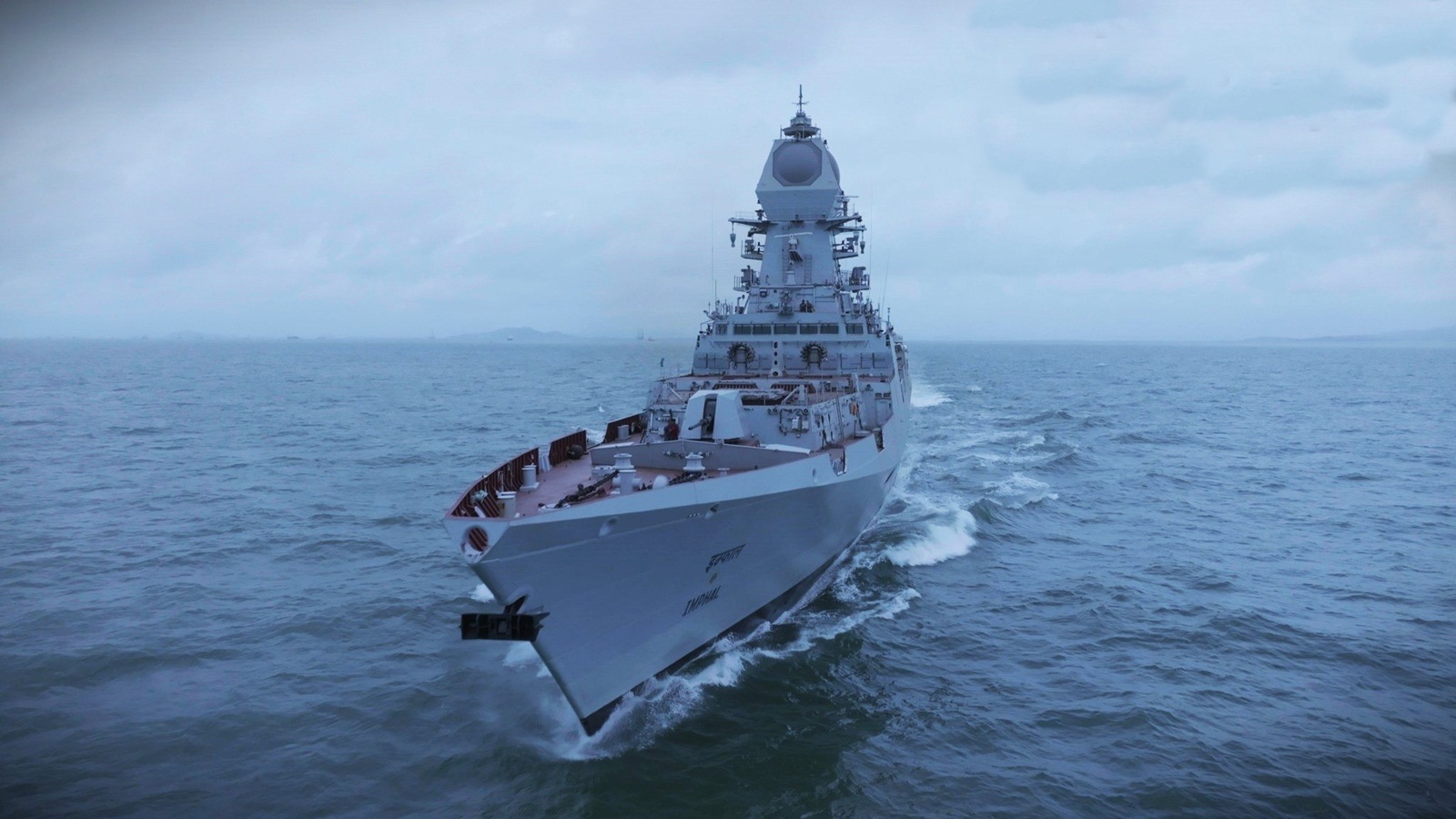 The pact will also cover aspects such as training, equipment and infrastructure, it is learnt. (File photo for representational purpose)
The Centre and the UK government are discussing the possibility of an agreement to develop an electric propulsion system in India to power domestic warships, The Indian Express has learnt.
Indian warships are currently powered by diesel engines, gas turbines or steam turbines. The electric propulsion capability is meant to power larger warships with a displacement of over 6,000 tonnes.
According to officials, the UK sent a letter of intent to the government last month on developing the capability in India through a government-to-government agreement.
Indian officials have been examining the formal proposal and following its acceptance, the contours and conditions of the agreement will be finalised.
The pact will also cover aspects such as training, equipment and infrastructure, it is learnt.
Once the agreement is signed, officials said, the key capability will be developed through a collaboration between the UK’s GE Power Conversion and state-owned Bharat Heavy Electricals Ltd (BHEL). Both companies have signed a memorandum of understanding on developing the ‘Integrated Full Electric Propulsion System’.
The UK Royal Navy’s The Queen Elizabeth Class aircraft carriers are integrated full electric propulsion vessels. In India, it is learnt that the system will first be tested on landing platform docks and next-generation destroyers.
The Indian Express had reported in January that discussions on the development of the system had seen significant movement during Defence Minister Rajnath Singh’s two-day visit to the UK, with discussions featuring at multiple levels.
In February, the UK’s First Sea Lord and Chief of Naval Staff Admiral Ben Key said he has been in talks with Indian Navy Chief Admiral R Hari Kumar about opportunities for Indian sailors and engineers to come to the UK and see how they operate electric propulsion ships, emphasising that the move is gathering momentum despite hurdles.
Both countries have set up a joint electronic propulsion working group that met in the UK in February. A delegation met again on the HMS Lancaster in March last year when the Royal Navy frigate made a port call at Kochi.
A joint working group on the India-UK electric propulsion capability partnership had met for the second time in November last year to further discuss this.
In April last year, UK’s Chief of the Defence Staff, Admiral Sir Tony Radakin had said that India and the UK are holding detailed discussions over sharing technical knowhow and experience on these systems.


A day after his derogatory comments on women and female co-stars, Telugu actor Sivaji has now apologized for the same. In a video on X, he claimed he used two “unparliamentary” words “inadvertently” during his speech at an event of the film Dhandora on Monday. His apology comes hours after the Telangana State Commission for Women on Tuesday summoned him to appear before it on Saturday.
 3 min read