Journalism of Courage



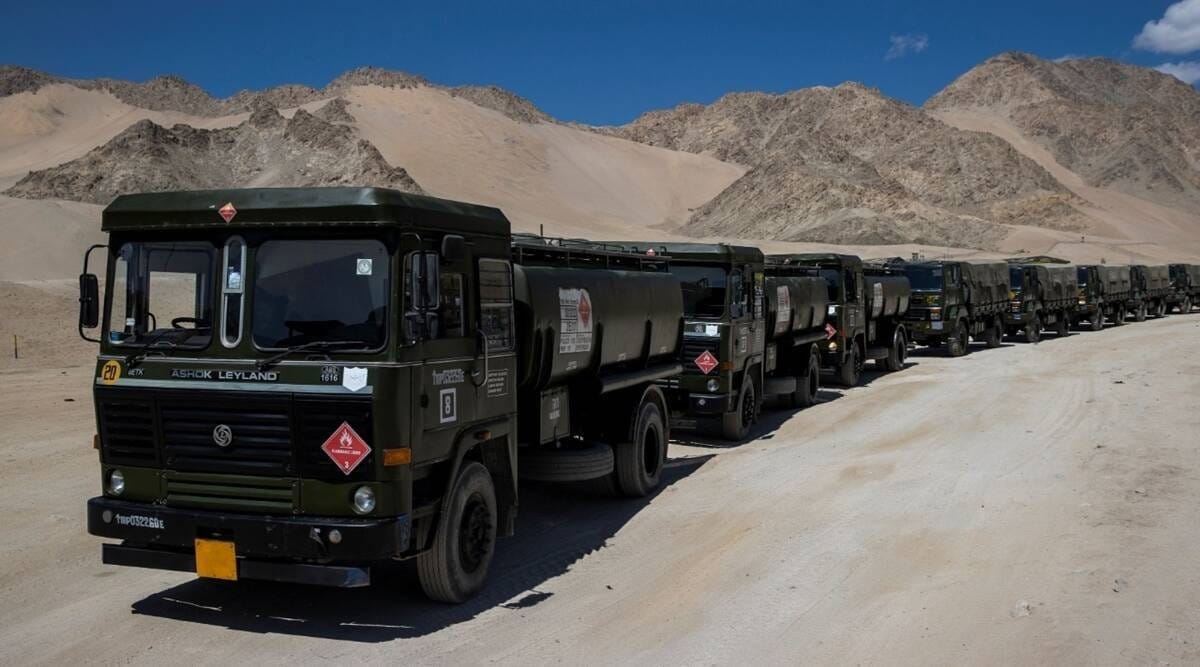 In June 2020, PLA troops “surprised” India in the Ladakh sector of the contested LoAC (line of actual control) where the Indian Army lost 20 lives, including that of Colonel Santosh Babu in the Galwan valley.
India and China Friday agreed on the need to find an early resolution to the “remaining issues” along the Line of Actual Control in Eastern Ladakh.
At the 22nd meeting of the Working Mechanism for Consultation & Coordination on India-China Border Affairs (WMCC), held virtually, the two sides agreed to hold the next (12th) round of the Senior Commanders meeting at an early date to achieve the objective of complete disengagement from all the friction points along the LAC.
The last WMCC meeting took place on March 12.
A statement by the Ministry of External Affairs said on Friday that the two sides had a “frank exchange” of views on the situation along the LAC in the Western Sector of the India-China border areas.
“Both sides agreed on the need to find an early resolution to the remaining issues along the LAC in Eastern Ladakh keeping in view the agreement reached between the two Foreign Ministers in September 2020.
“In this regard, the two sides agreed to maintain dialogue and communication through the diplomatic and military mechanisms to reach a mutually acceptable solution for complete disengagement from all friction points so as to ensure full restoration of peace and tranquility to enable progress in the bilateral relations. They also agreed that in the interim, the two sides will continue to ensure stability on the ground and prevent any untoward incident,” the statement said.
The Indian delegation was led by the Additional Secretary (East Asia) from the Ministry of External Affairs. The Director-General of the Boundary & Oceanic Department of the Chinese Ministry of Foreign Affairs led the Chinese delegation.
India had Thursday blamed China’s actions of amassing a large number of troops close to the border and attempts to unilaterally alter the status quo along the LAC last year for the continuing military standoff in eastern Ladakh, and asserted that these acts were in violation of bilateral agreements.
India’s comments on the border row had come a day after China said its military deployment in the region is a normal defence arrangement aimed at “preventing and responding” to “encroachment and threat” on Chinese territory by “relevant country”.
“It is well recognised that it has been the Chinese actions over the last year, including amassing of a large number of troops close to border areas in the western sector and trying to unilaterally alter the status quo along the LAC, which have seriously disturbed peace and tranquillity in the border areas,” the Ministry of External Affairs spokesperson Arindam Bagchi had said at a media briefing.
“These acts are in violation of our bilateral agreements, including the 1993 and 1996 agreements that mandate that the two sides shall strictly respect and observe the Line of Actual Control and that two sides will keep their military forces in the areas along the LAC to a minimum level,” Bagchi said.
He was responding to a question on the comments made by Chinese Foreign Ministry spokesperson Zhao Lijian on Wednesday that the military deployment by China in the western sector along the border is a “normal defence arrangement”.
“China’s military deployment along the western section of the China-India border is a normal defence arrangement aimed at preventing and responding to encroachment and threat on China’s territory by relevant country,” he had said.

 4 min read