© The Indian Express Pvt Ltd
 3 min read


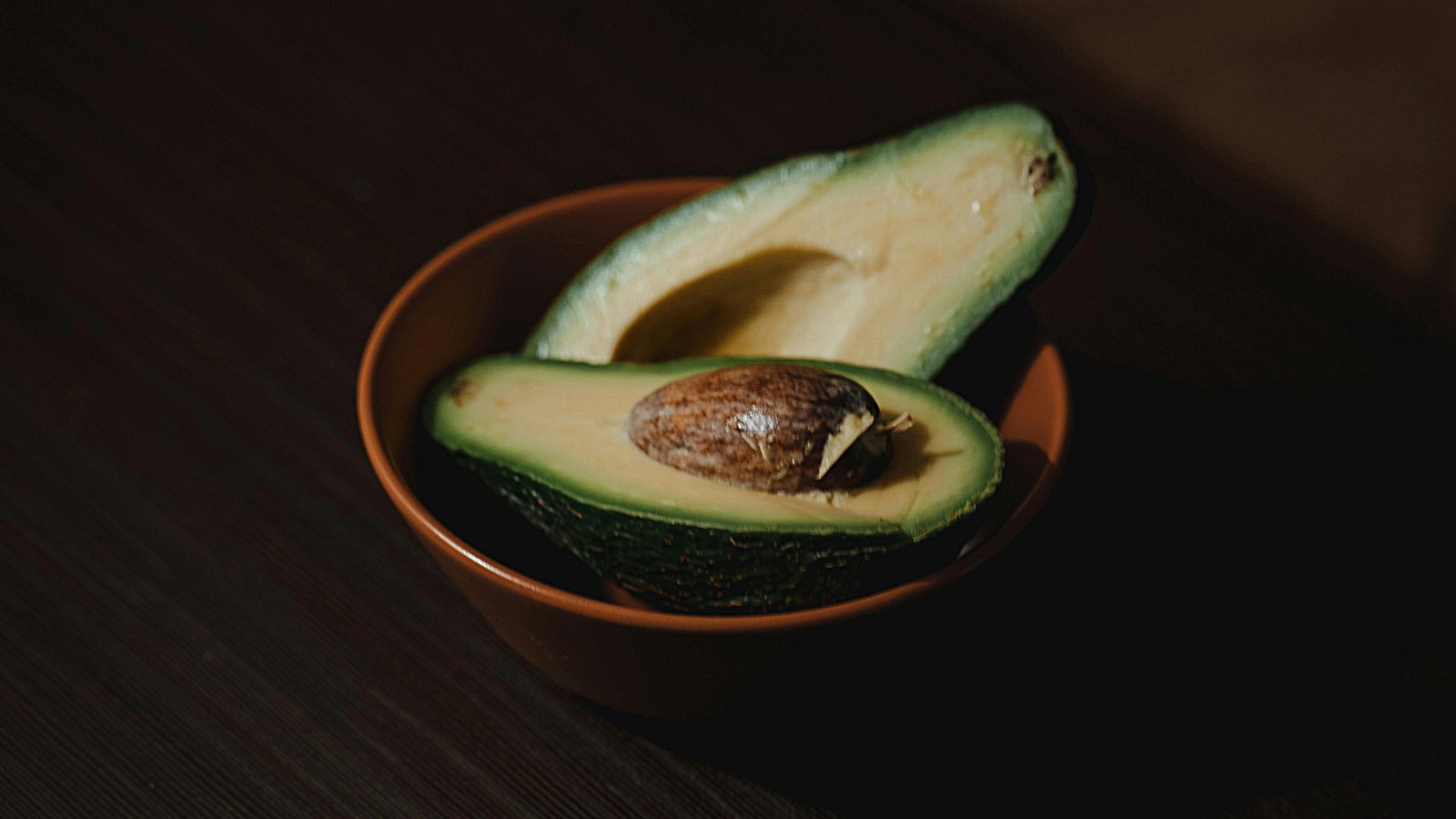 One avocado contains about 10 grams of fibre, which is 40 per cent of what an adult requires daily. (Pexels)
Avocado is already a known superfood for heart health because of its cholesterol-lowering properties but, given favourable results for other conditions in recent studies, it is being recommended for gut health and blood sugar control as well. This high nutrient fruit with fibres, monounsaturated fats, vitamins and minerals can actually feature in your daily diet.
How it boosts gut health
One avocado contains about 10 grams of fibre, which is 40 per cent of what an adult requires daily. A healthy digestive system needs fibre because it aids regular bowel movements and prevents constipation. Fibres supply food to the friendly bacteria in the intestines, thus supporting a well-balanced microbiome and hence general health.
A 2021 study had shown how daily avocado consumption had resulted in greater abundance of bacteria that break down fibre and produce substances called postbiotics that are rich in vitamins B, K and amino acids. These nourish the gut and kill bad bacteria. Daily avocado eaters had more fat in their faeces and a reduction in bile acids. This meant that they had absorbed lesser fat from their food.
Avocados are also a great source of alpha-linolenic acid (ALA), an essential omega-3 fatty acid, which has been proven to slow down gut inflammation and prevent gastrointestinal diseases. Besides, good gut bacteria tells the brain when to stop eating and may help in controlling obesity.
Good for blood sugar control
One medium sized avocado sliced in a cup provides lesser calories than one gram of sugar. It is extremely low in carbohydrates. As it is rich in healthy fats and fibre, it improves fasting glucose levels and insulin sensitivity. Since it strengthens gut health, an avocado can reduce inflammation, which triggers Type 2 diabetes. Being rich in vitamin E and antioxidants, it protects cells from damage.
Manages cholesterol
Being rich in monounsaturated fats, particularly oleic acid, avocados lower low density lipoprotein (LDL) or bad cholesterol, the kind that builds up plaque in arteries, increasing the risk of heart attacks. They also increase high-density lipoprotein (HDL) or good cholesterol. As they are loaded with potassium, they stabilise your blood pressure.
How much to eat in a day
Avocados are rich in fats and half of a big avocado or a full small-sized one yields about 15-20 gm. However, these fats are mainly monounsaturated fats, which help with weight control as they leave you feeling full. But they are still fats, so don’t go overboard. A half of a biggish avocado can yield approximately 120 calories. Such a portion size daily will allow you to experience its benefits without gaining too much weight or pushing up calorie intake levels. Have this half sliced or mashed. Use it in salads or spread over wholemeal bread, add it to smoothies or as salad topping.