


Tags:


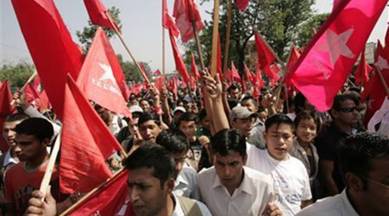
Nearly 11 years ago, the Maoists spearheaded the war against the state. In November 2005, with the help of mediation from India, they joined hands with seven pro-democracy parties, their ‘class enemies’ during the decade long conflict, making the monarchy the joint target of the new equation.
The Maoists shunned weapons and agreed to abide by the democratic process which saw two of their leaders – Pushpa Kamal Dahal and Baburam Bhattarai – occupy the top executive post in the government. This phase also witnessed five splits in the party with Dahal and Bhattarai to be the last to part ways.


[related-post]
On Wednesday, all five Maoist splinter groups assembled at the headquarters of the mother party – the Unified Communist Party of Nepal-Maoists – and demanded that all the conflict-related cases including those pending before various courts, be transferred to the Truth and Reconciliation Commission (TRC) that many say is toothless.
The Maoist panic reaction comes in the wake of a few Supreme Court verdicts that have held that there should be no amnesty granted to any sides in the conflict—the Maoists or the state – and the formation of the TRC should not affect the status of trials by the judiciary. The Maoists had earlier demanded that the TRC be given powers to grant general amnesty had been turned down by the Supreme Court.
While the Maoists’ demand is unlikely to be entertained by the government or any party, given the strong opposition of the victims as well as the international community, it has made the former rebels more vulnerable to trial and punishment in human rights violation cases than at any point of time during the peace process.


