© The Indian Express (P) Ltd
 3 min read


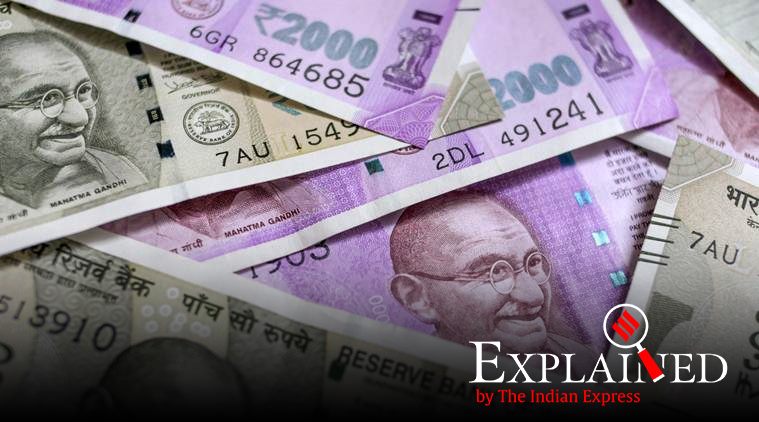 Labour and Employment Minister Santosh Kumar Gangwar said that the reduced interest rate of 8.5 per cent on provident fund will leave a surplus of Rs 700 crore (Photo Source: Bloomberg)
Your provident fund will earn a lower rate of interest this financial year than in the previous year. This is because the Employees’ Provident Fund Organisation (EPFO) has cut the rate to 8.5 per cent for 2019-20 from the 8.65 per cent in the previous fiscal. This is the lowest interest on provident fund in seven years.
There are over 6 crore active subscribers of EPFO. Labour and Employment Minister Santosh Kumar Gangwar said an interest of 8.5% will leave a surplus of Rs 700 crore.
Both the Finance Committee and the Central Board of Trustees (CBT) met on Thursday (March 5) to decide the interest rate based on EPFO’s income projections for the current financial year. The CBT is the EPFO’s apex decision making body.
As per calculations presented at a meeting, retaining the 2018-19 interest rate of 8.65% would have left a deficit of around Rs 350 crore, while cutting it to 8.45% would have resulted in a surplus of Rs 1,000 crore, two officials said.
The Finance Ministry has been nudging the EPFO to reduce the rate to under 8%, in line with the overall interest rate scenario.
The overall rate regime is being viewed closely in view of the economic slowdown and rising inflation. The Reserve Bank of India (RBI) had kept the status quo on its key policy rate during its monetary policy review last month.
📢 Express Explained is now on Telegram. Click here to join our channel (@ieexplained) and stay updated with the latest
The recommendation of the CBT will now require ratification from the Finance Ministry. As per convention, after the EPFO’s CBT recommends the interest rate, it has to be ratified by the Finance Ministry, after which the interest is credited to the accounts of the EPFO’s subscribers.
The Ministry had last year questioned the surplus level and the Fund’s exposure to IL&FS and similar risky entities, before approving the interest rate of 8.65%.
Even at 8.5%, the EPFO rate is much higher than the small savings rate. Banks have said that the high small savings rates have affected the full transmission of the rate cuts taken by the RBI over the last one year.
The Finance Ministry, however, has hinted at moving to a new regime for small savings rates starting April 1. As of now, small savings rates are linked to government securities, and are revised quarterly.
In a pre-election announcement, the CBT of the EPFO in February last year had recommended raising the interest rate from the then five-year low of 8.55% in the previous financial year.
As per the EPFO’s estimates given to the meeting of February 2019, at 8.65%, the estimated surplus was Rs 151.67 crore.
Don’t miss from Explained | What next for virtual currency?