


© The Indian Express Pvt Ltd
Tags:


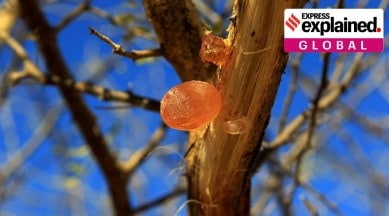
Sudan’s eruption into conflict has left international consumer goods makers racing to shore up supplies of gum arabic, one of the country’s most sought-after products and a key ingredient in everything from fizzy drinks to candy and cosmetics.
About 70% of the world’s supply of gum arabic, for which there are few substitutes, comes from the acacia trees in the Sahel region that runs through Africa’s third-largest country, which is being torn apart by fighting between the army and a paramilitary force.


“Depending on how long the conflict continues there may well be ramifications for finished goods on the shelf – branded goods made by household names,” said Richard Finnegan, a procurement manager at Kerry Group, a supplier of gum arabic to most major food and beverage firms.
Finnegan estimated that current stockpiles will run out in five-to-six months, a view echoed by Martijn Bergkamp, a partner at Dutch supplier FOGA Gum who estimated three-to-six months.
Twelve exporters, suppliers and distributors contacted by Reuters said trade in the gum, which helps bind together food and drink ingredients, has ground to a halt.
Kerry Group and other suppliers, including Sweden’s Gum Sudan, said communicating with contacts on the ground has been difficult and Port Sudan — from where product is shipped — has been prioritising civilian evacuations.
“For companies like Pepsi and Coke, they can’t exist without having gum arabic in their formulations,” Dani Haddad, marketing and development director of Agrigum, a global top-ten supplier, said.
In their manufacturing process, food and drink companies use a spray-dried version of the gum that is powder-like, industry sources said. While cosmetics and printing manufacturers may be able to use substitutes, there is no alternative to gum arabic in fizzy drinks, where it prevents ingredients from separating.


