5 min read

© The Indian Express Pvt Ltd



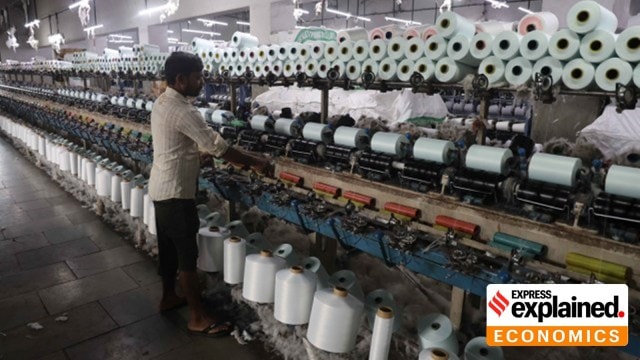 A power loom unit in Bhiwandi. Textile plants are among the sectors at risk from US tariffs.
 India US Trade in November 2025: A combination of factors led to a 22 per cent surge in India’s exports to the US market in November after two consecutive months of decline in September and October. This made November one of the strongest months on record despite the 50 per cent US tariffs that have left a broad range of products uncompetitive in the American market. While exporters seem resilient, data suggest that it could be short-term factors and a trade deal could still be necessary for sustained growth.
Exports in November surged to the US as well as other markets, particularly China and Hong Kong, and to several European markets. Exports indicate strong signs of diversification, but exporters may have also benefited from the recent tensions between China and Japan. Indian exports, particularly seafood, have surged to China as Beijing has begun restricting imports from Japan. Indian exports to China jumped 90 per cent and to Hong Kong by 35 per cent last month.
Exports to European countries have also been on the rise ahead of the implementation of the Carbon Border Adjustment Mechanism (CBAM) from January 1. The new tax will raise duty on Indian engineering products from next year. In what typically triggers stocking, Indian exporters of engineering goods grew by 30 per cent, and exports to Germany, Spain, and Belgium surged 25 per cent, 180 per cent and 30 per cent, respectively.
Exporters absorbing costs to retain access in US
One of the prime reasons for the surge in Indian exports to the US is that exporters are hoping for a deal soon and are bearing the tariffs-related cost to maintain market access in anticipation of a trade deal. The first part of the deal, where the US would revoke 25 per cent tariffs, is expected, as India has stepped up crude imports from the US, signed an energy deal agreeing to source 10 per cent of its LPG imports from the US and is set to open its nuclear sector, which has been among the key US demands.
However, exporters have said that they are no longer receiving fresh orders and most orders will end by December. This could have a long-term impact, as Indian competitors such as Vietnam and Bangladesh have begun receiving orders that are moving away from India. Exporters from Tiruppur, for instance, said that they have lost nearly Rs 7,000 crore worth of winter orders from the US that will have a long-term impact on the manufacturing hub.
Base effect and Red Sea challenge
The nearly 20 per cent surge in cumulative goods exports in November has come due to a low base. Exports in November last year began bearing higher costs due to the Red Sea crisis that began in October 2024. The attacks carried out by the Houthi rebels had brought shipping through the crucial region to a standstill within weeks, resulting in shortages of containers and much higher costs due to the use of longer routes via the Cape of Good Hope.
Notably, large shipping companies continue to avoid the Red Sea shipping route, but the ceasefire agreements in Gaza have resulted in hope for reduced Houthi attacks. The Suez Canal Authority had said in a statement last month that Maersk container ships will resume transit via the canal on a partial basis from the beginning of December, before a full return, but a Maersk spokesperson said the company had not set a date, Reuters reported last month.
Tariff-exempted goods such as electronic and drugs and pharmaceuticals grew 38 per cent and 20 per cent respectively. These categories likely resulted in a growth in exports to the US in November and are expected to continue going forward. Moreover, the US added more items, such as tea, coffee, spices, among other food items, to the exempted category. Exports across these categories also logged sharp growth.
Even engineering goods exports seem to have stabilised in November, growing over 30 per cent. This is the largest category of Indian exports, and India has been seeing an export surge to European countries in the last few months, as stated earlier.
The sharp rise in exports in November also comes amid a rapid weakening of the rupee against the US dollar, with the 90-dollar mark being breached earlier this month in December. A weaker rupee is good for exporters as it makes Indian goods and services cheaper for foreign buyers.
The rupee, which hit a fresh all-time low on Monday after it fell to 90.79 per dollar during the day, was 5.6 per cent lower in November against the US dollar compared with the same month last year. This is despite the greenback having weakened sharply by almost 8 per cent over the last 12 months.